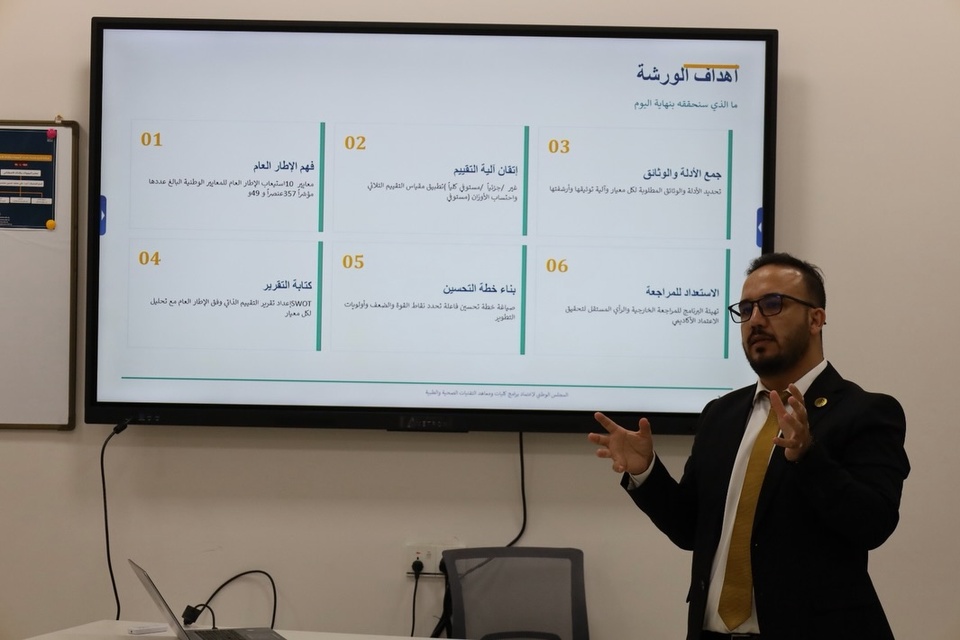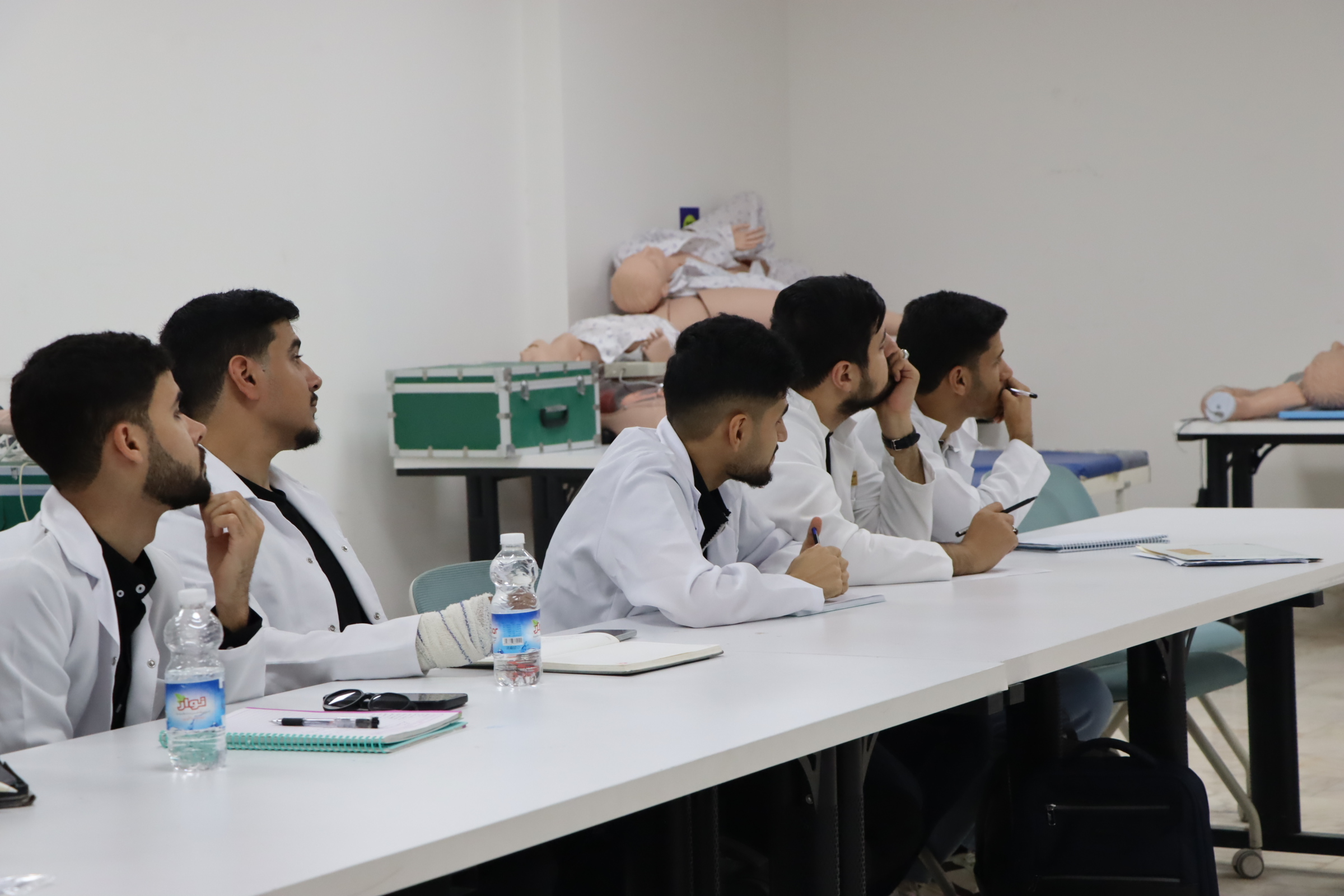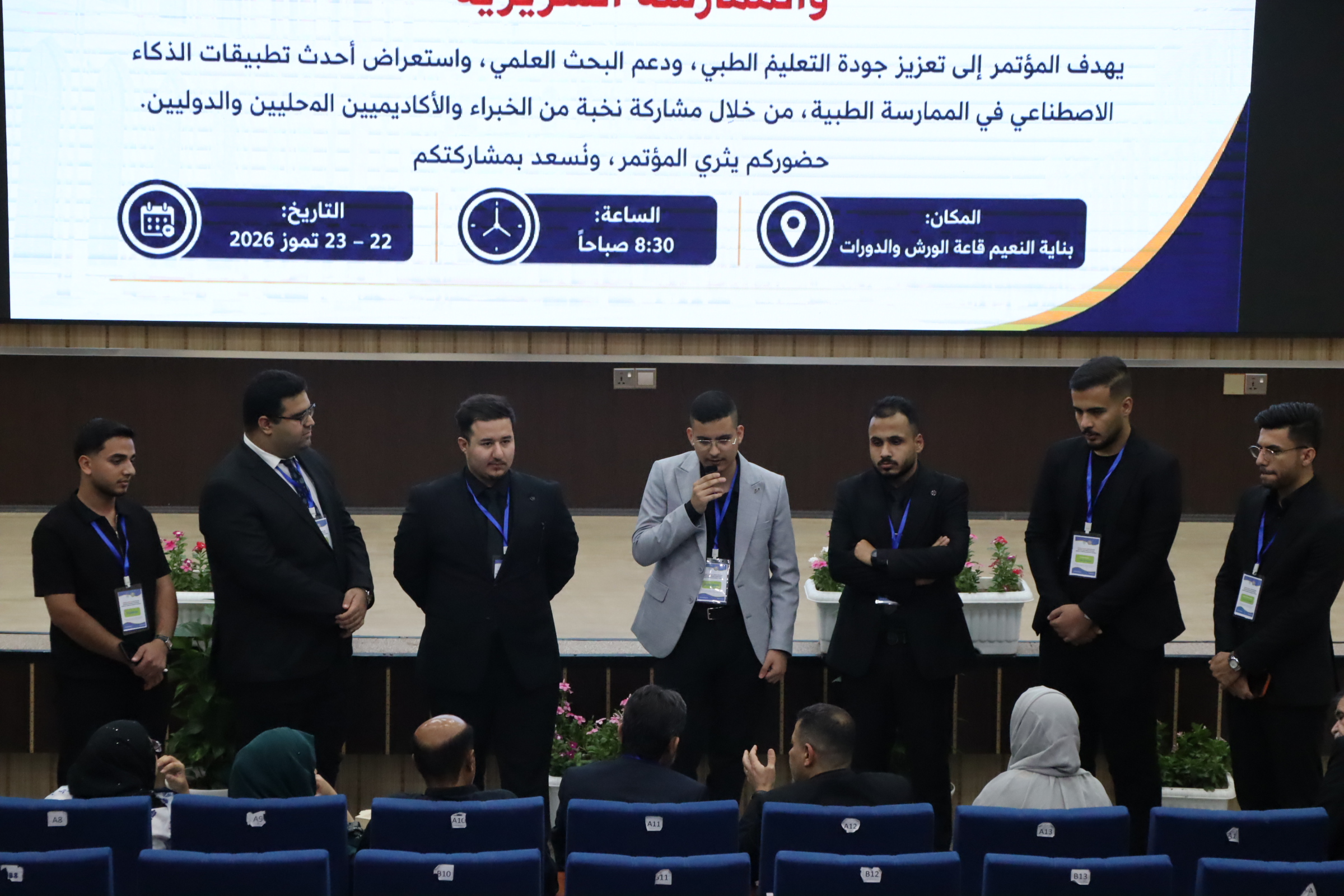


برعاية عمادة كلية التقنيات الحديثة في جامعة وارث الأنبياء / مجمع النقيب، أُقيمت دورة تدريبية تخصصية بعنوان "الاعتماد البرامجي للكليات والأقسام المستحدثة"، قدّمها الدكتور حسين الغانمي، بمشاركة واسعة من الملاكات الإدارية والتدريسية.
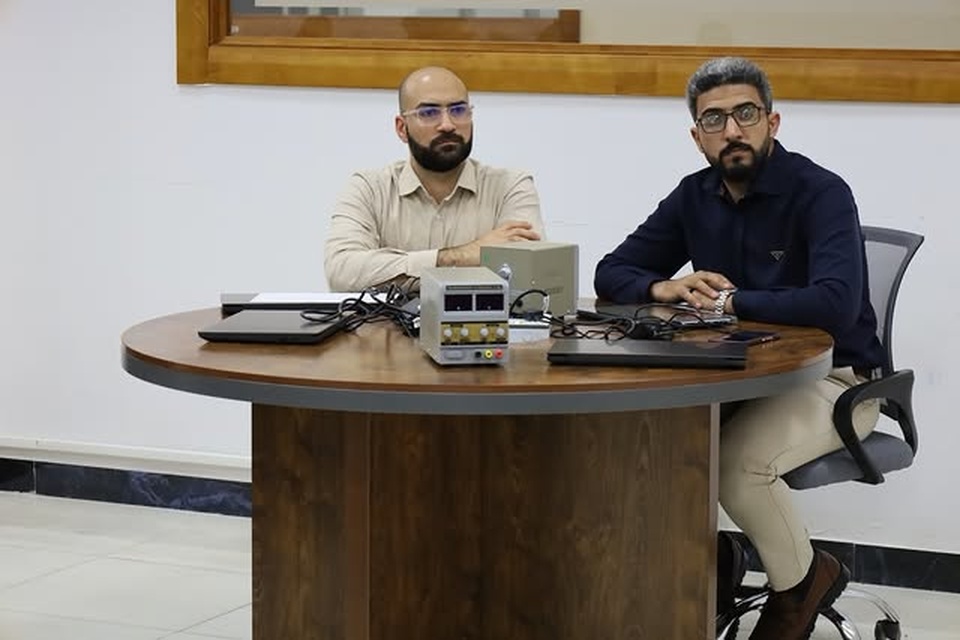
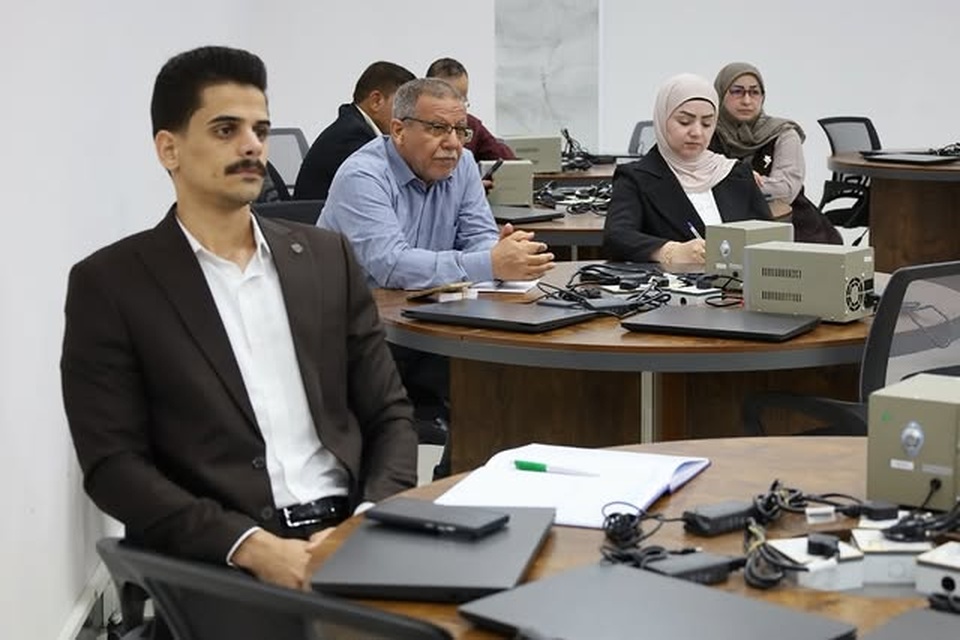
وحضر الدورة العمداء و معاونو العمداء ورؤساء الأقسام وأعضاء لجان الجودة والاعتماد في كلية التقنيات الحديثة، إلى جانب ممثلين عن كليات طب الأسنان والصيدلة وعلوم الحاسوب وتكنولوجيا المعلومات، في مسعىً مشترك لتعزيز ثقافة الجودة الأكاديمية واستيفاء متطلبات الاعتماد وفق المعايير الوطنية والدولية.
وتناولت الدورة محاور جوهرية أبرزها آليات إعداد ملفات الاعتماد، وقياس مخرجات التعلم، وتوثيق الأنشطة الأكاديمية، ومتطلبات المجلس الوطني لاعتماد برامج التعليم الجامعي، وسبل تطوير البيئة التعليمية وفق معايير الرصانة الأكاديمية. وأكدت عمادة الكلية على أهمية مواصلة مثل هذه البرامج التدريبية لرفع جاهزية الكليات المستحدثة ودعم مسيرة الاعتماد المؤسسي.
وتنسجم هذه الدورة مع أهداف التنمية المستدامة ، إذ تجسّد الهدف الرابع في ضمان جودة التعليم عبر تطوير المنظومة الأكاديمية ومخرجاتها، وتتوافق مع الهدف الثامن في بناء كوادر بشرية مؤهّلة قادرة على قيادة العمل المؤسسي باحترافية، فيما تُرسّخ الهدف السابع عشر من خلال تعزيز الشراكة الفاعلة بين الكليات في سبيل تحقيق معايير الجودة والاعتماد.
Under the sponsorship of the Deanship of the College of Modern Technologies at Warith Al-Anbiya University / Al-Naqeeb Complex, a specialized training course titled "Program Accreditation for Newly Established Colleges and Departments" was held, presented by Dr. Hussein Al-Ghanimi, with wide participation from administrative and teaching staff.
The course was attended by deans, assistant deans, department heads, and members of quality and accreditation committees in the College of Modern Technologies, alongside representatives from the Colleges of Dentistry, Pharmacy, Computer Science, and Information Technology, in a joint effort to enhance the culture of academic quality and meet accreditation requirements according to national and international standards.
The course addressed essential topics, most notably the mechanisms for preparing accreditation files, measuring learning outcomes, documenting academic activities, the requirements of the National Council for Accreditation of University Education Programs, and ways to develop the educational environment according to standards of academic rigor. The college's deanship emphasized the importance of continuing such training programs to increase the readiness of newly established colleges and support the institutional accreditation process.
This course aligns with the goals of sustainable development, as it embodies Goal 4 in ensuring quality education through the development of the academic system and its outcomes.