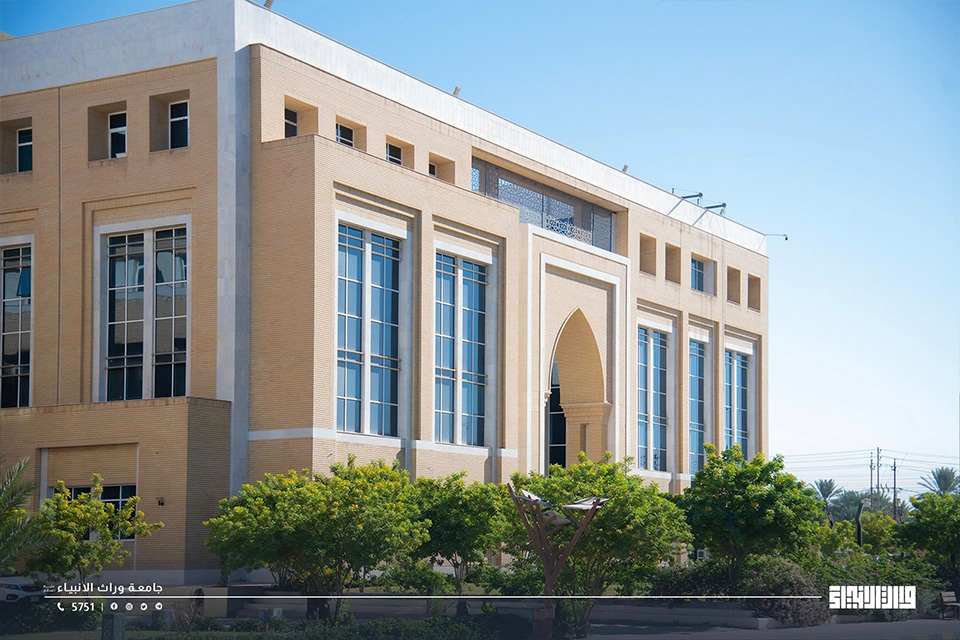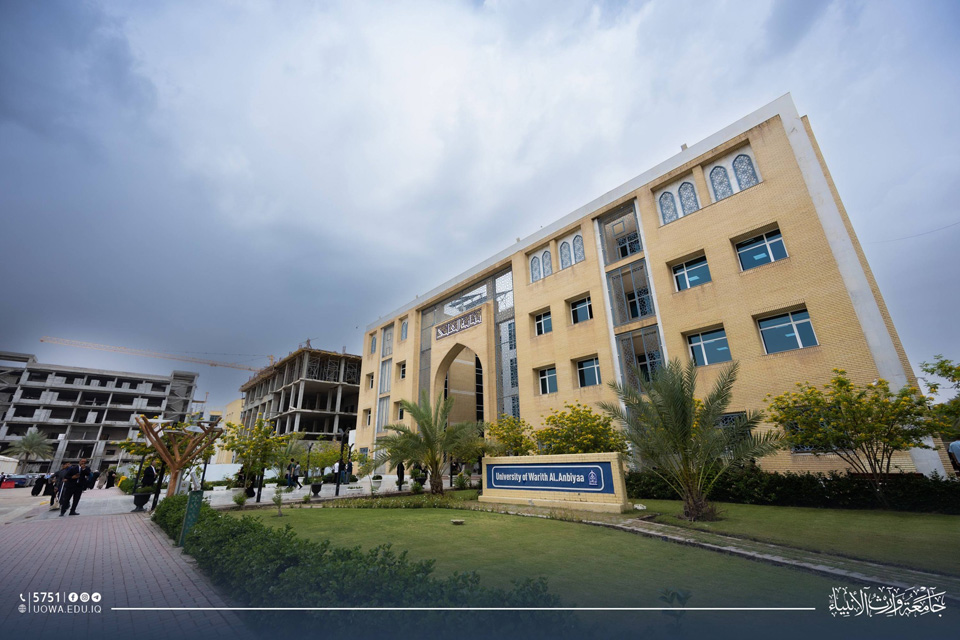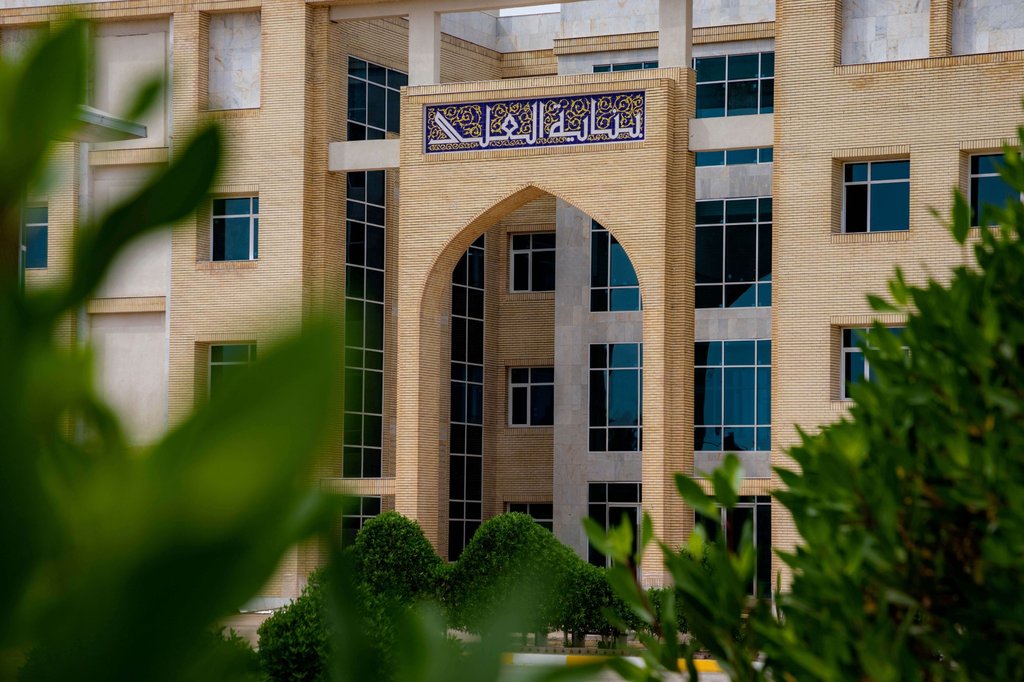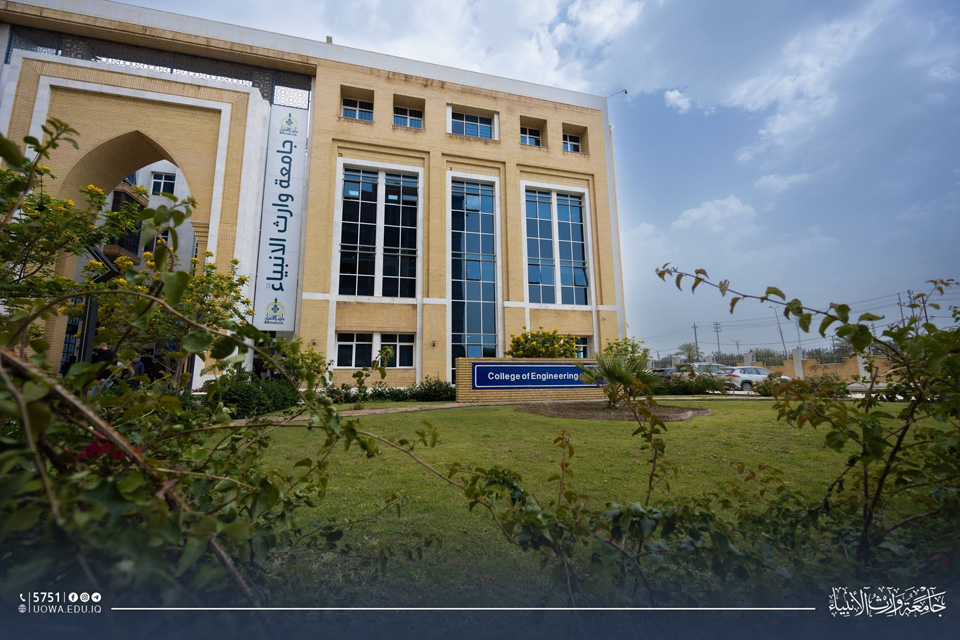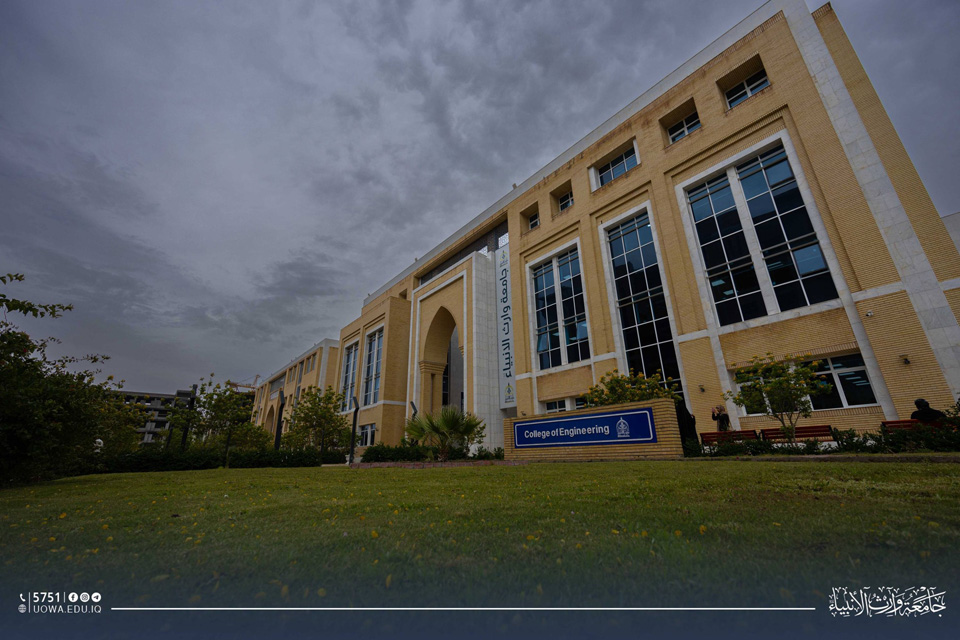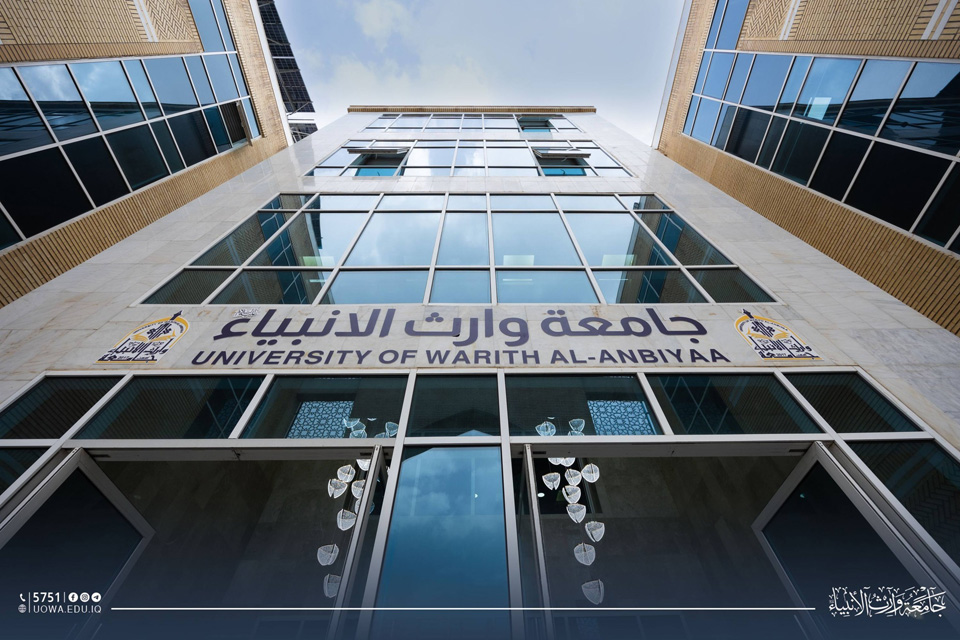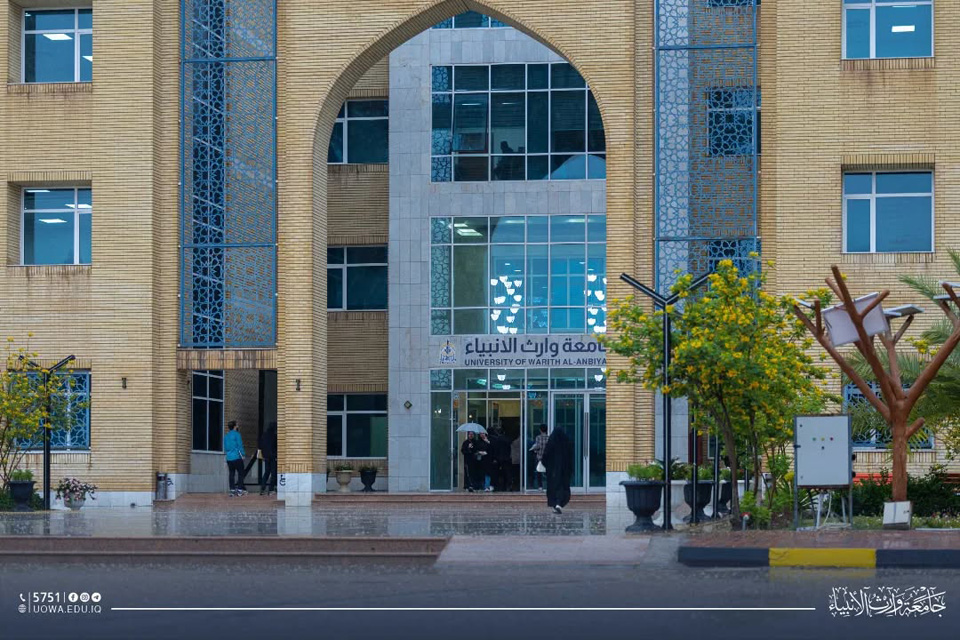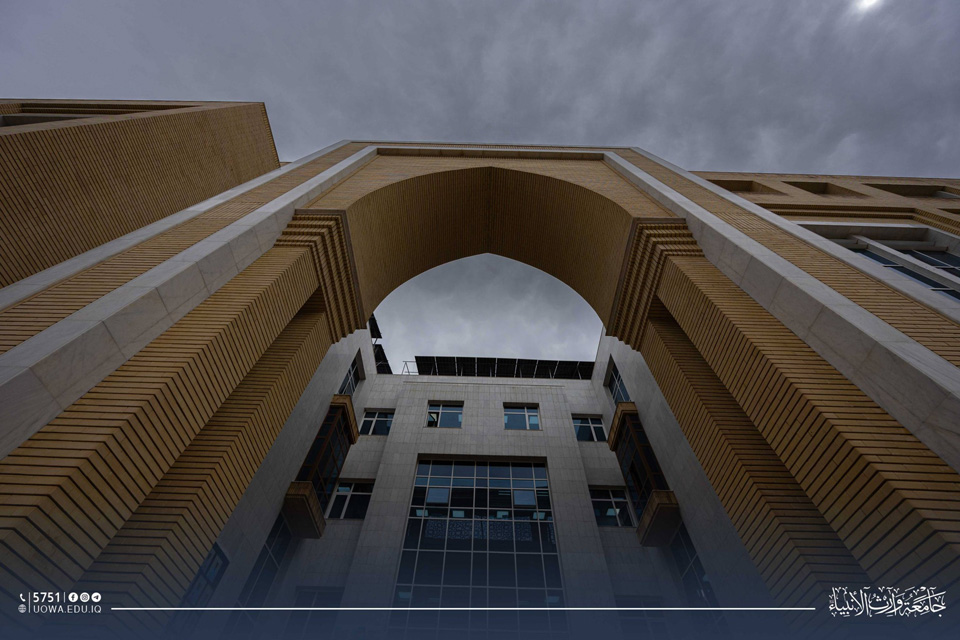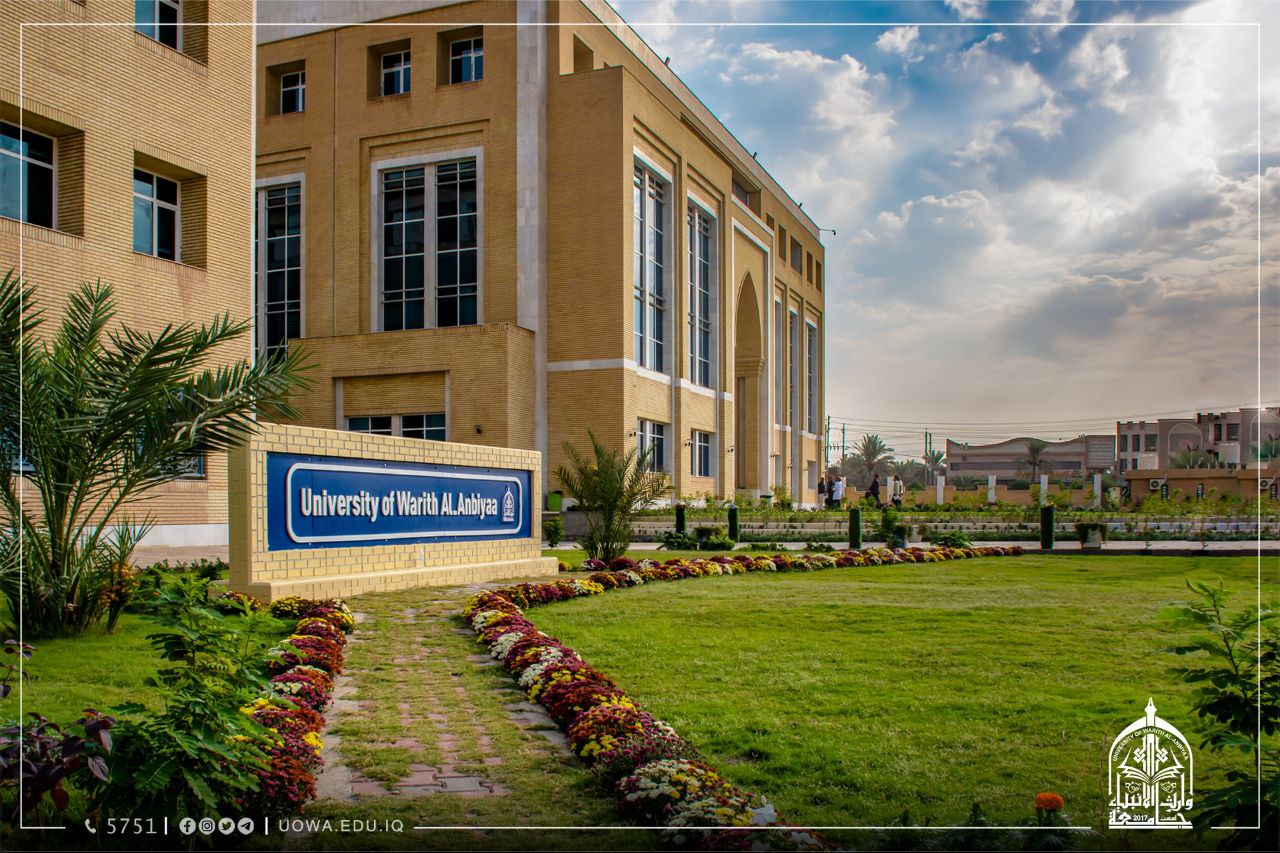


The University of Warith Al-Anbiyaa continues to strengthen its commitment to sustainable campus development through the implementation of green-building principles and environmentally responsible infrastructure across university facilities.
Several university buildings, including-Al-Ola Building, Al-Isma Building, and Al-Naeem- incorporate sustainable architectural and environmental-design features aimed at improving energy efficiency, indoor environmental quality, and long-term resource sustainability.
The university’s green-building initiatives include:
- optimisation of natural lighting and ventilation to reduce dependence on artificial lighting and mechanical cooling;
- central courtyards and open-space designs that support passive cooling and natural airflow;
- motion-sensor lighting systems to reduce unnecessary electricity consumption;
- energy-efficient HVAC systems with centralised controls;
- double-glazed windows and reflective roofing materials that minimise heat gain and improve thermal efficiency;
- use of thermally efficient flooring and wall materials to support indoor temperature stability;
- integration of low-flow water fixtures, greywater recycling systems, and sustainable landscape irrigation practices;
- and the use of native drought-resistant plants to support microclimate regulation and reduce environmental stress within campus green areas.
Approximately 82.4% of the university’s total building area incorporates smart-building and green-infrastructure features that support sustainable campus operations and improved environmental performance.
In addition, newly constructed and developing university buildings are being designed and implemented in accordance with the university’s green-building and sustainable infrastructure approach. Current and future construction projects incorporate energy-efficient systems, smart technologies, thermal-efficiency measures, sustainable landscape integration, and environmentally responsible architectural planning to support long-term sustainability goals across the campus.
These initiatives contribute to reducing energy consumption, improving operational efficiency, supporting occupant comfort and well-being, and strengthening the university’s climate-action and environmental sustainability strategies.
The university’s green-building and sustainable-construction practices support several Sustainable Development Goals (SDGs), particularly SDG 7 through improved energy efficiency and reduced energy consumption, SDG 9 through the integration of smart and sustainable infrastructure technologies, SDG 11 through the development of environmentally responsible and resilient campus facilities, SDG 12 through sustainable resource and water management practices, and SDG 13 through efforts to reduce environmental impact and support climate-action initiatives.
Through these initiatives, the University of Warith Al-Anbiyaa continues to develop a modern, environmentally responsible, and resource-efficient campus aligned with international sustainability standards.