

International Openness and Academic Integration: Arab Board Delegation Evaluates Comprehensive Examinations at Warith Al-Anbiya University
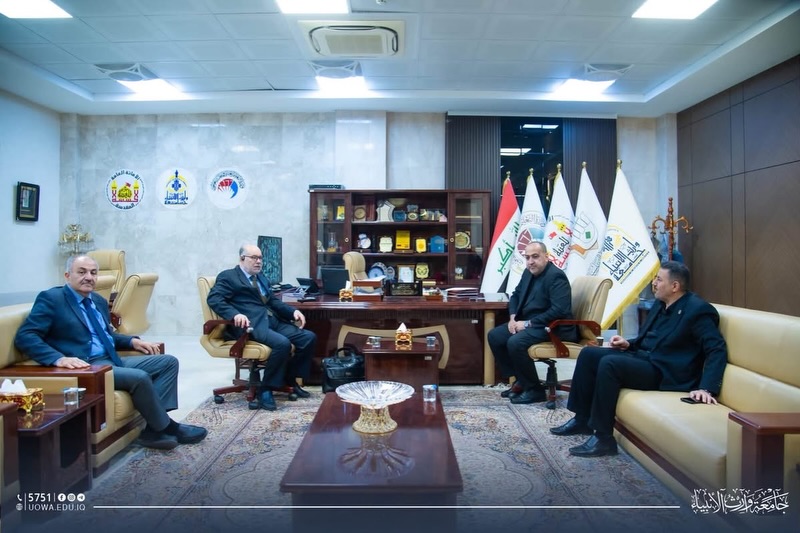
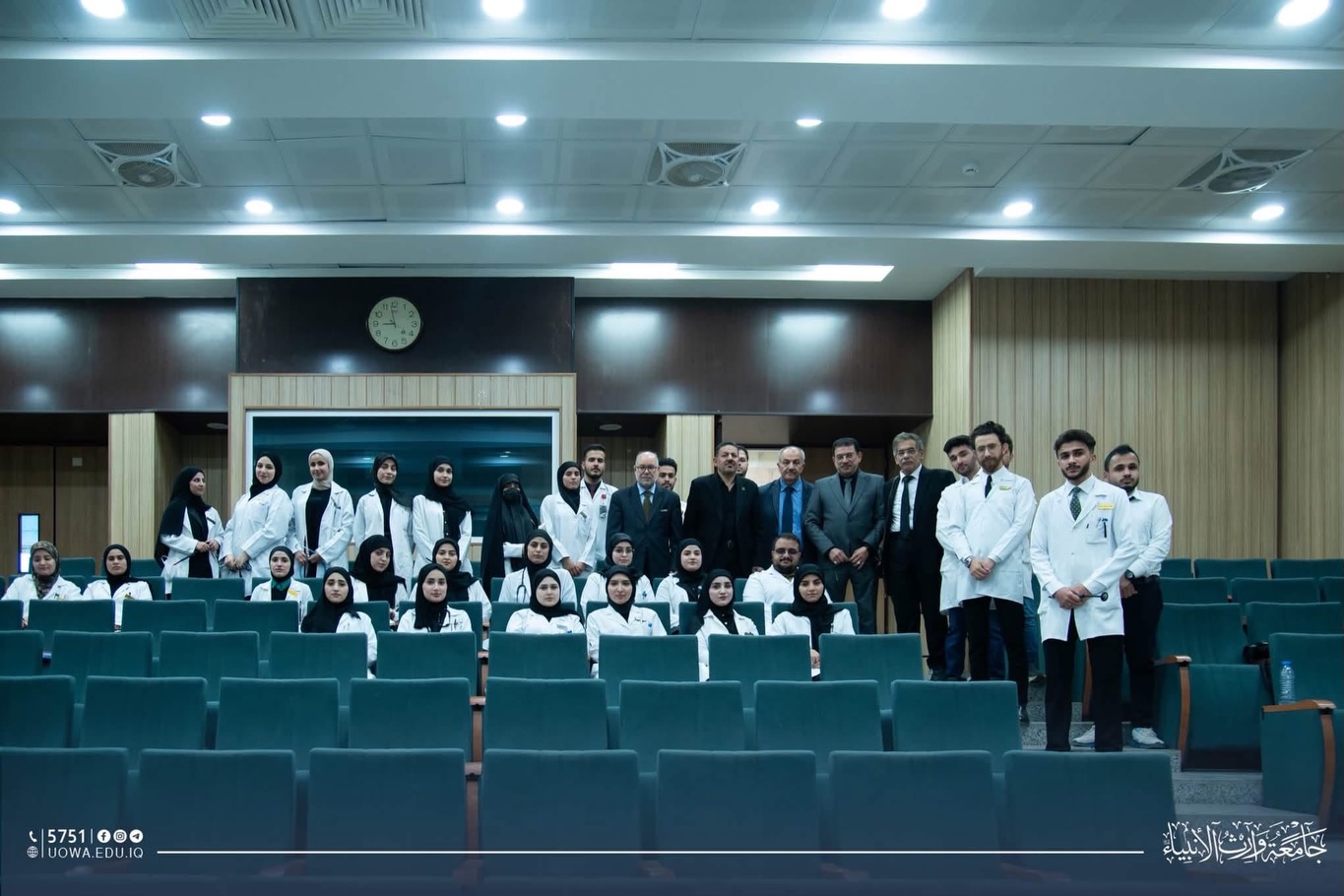
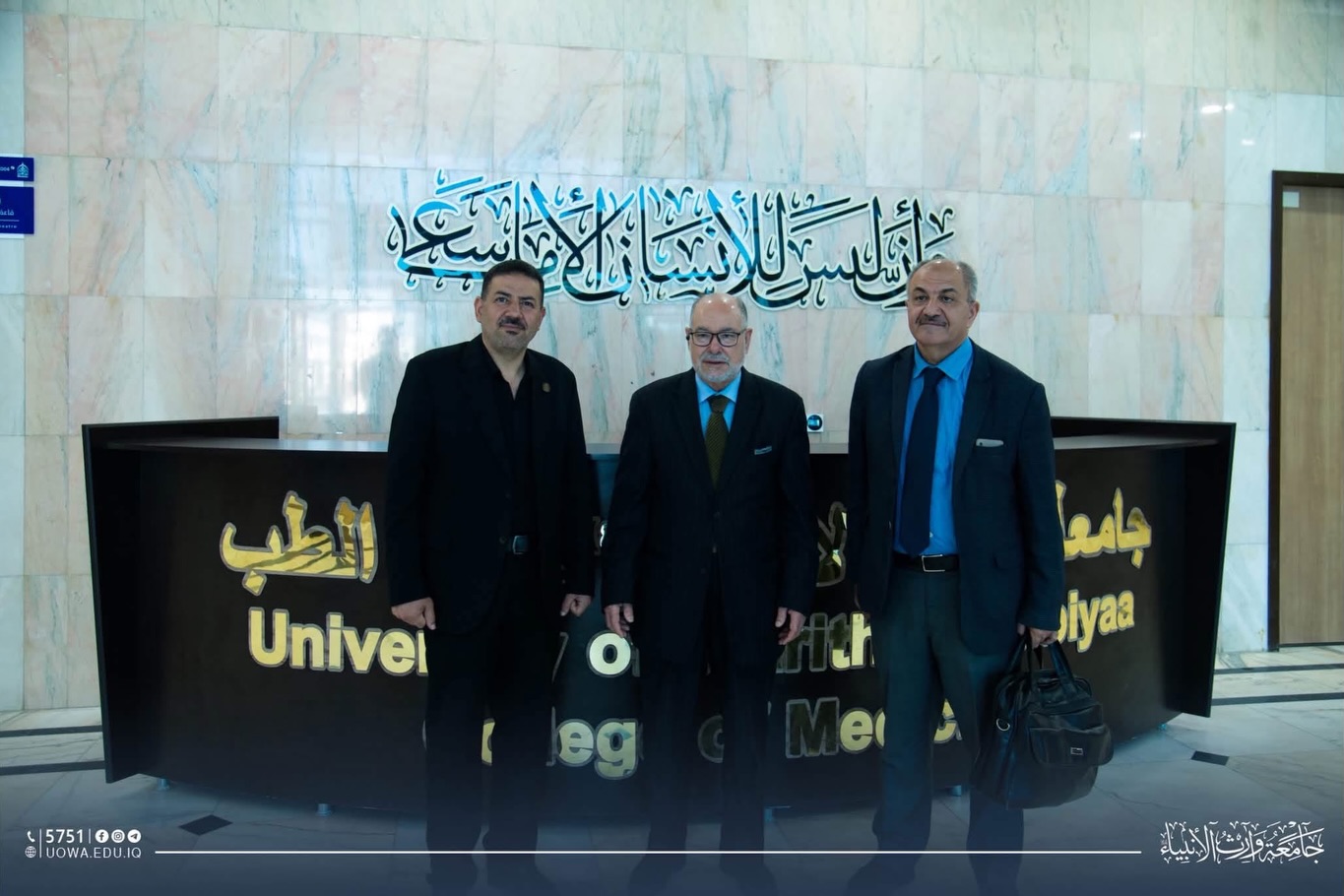
The President of Warith Al-Anbiya University, Professor Dr. Ibrahim Saeed Al-Hayawi, along with the Dean of the College of Medicine, Professor Dr. Ali Al-Ghazi, received a high-level academic delegation from the Arab Board of Medical Specialties. The delegation was headed by the President of the Arab Board of General Surgery and former Libyan Minister of Health, Professor Dr. Hatiwish Faraj Hatiwish, and included the President of the Board in Iraq, Professor Dr. Saad Abdullah Sarsam, and the Board's Rapporteur, Professor Dr. Habib, in addition to a select group of professors from the Colleges of Medicine at the Universities of Karbala, Qadisiyah, and Hammurabi.
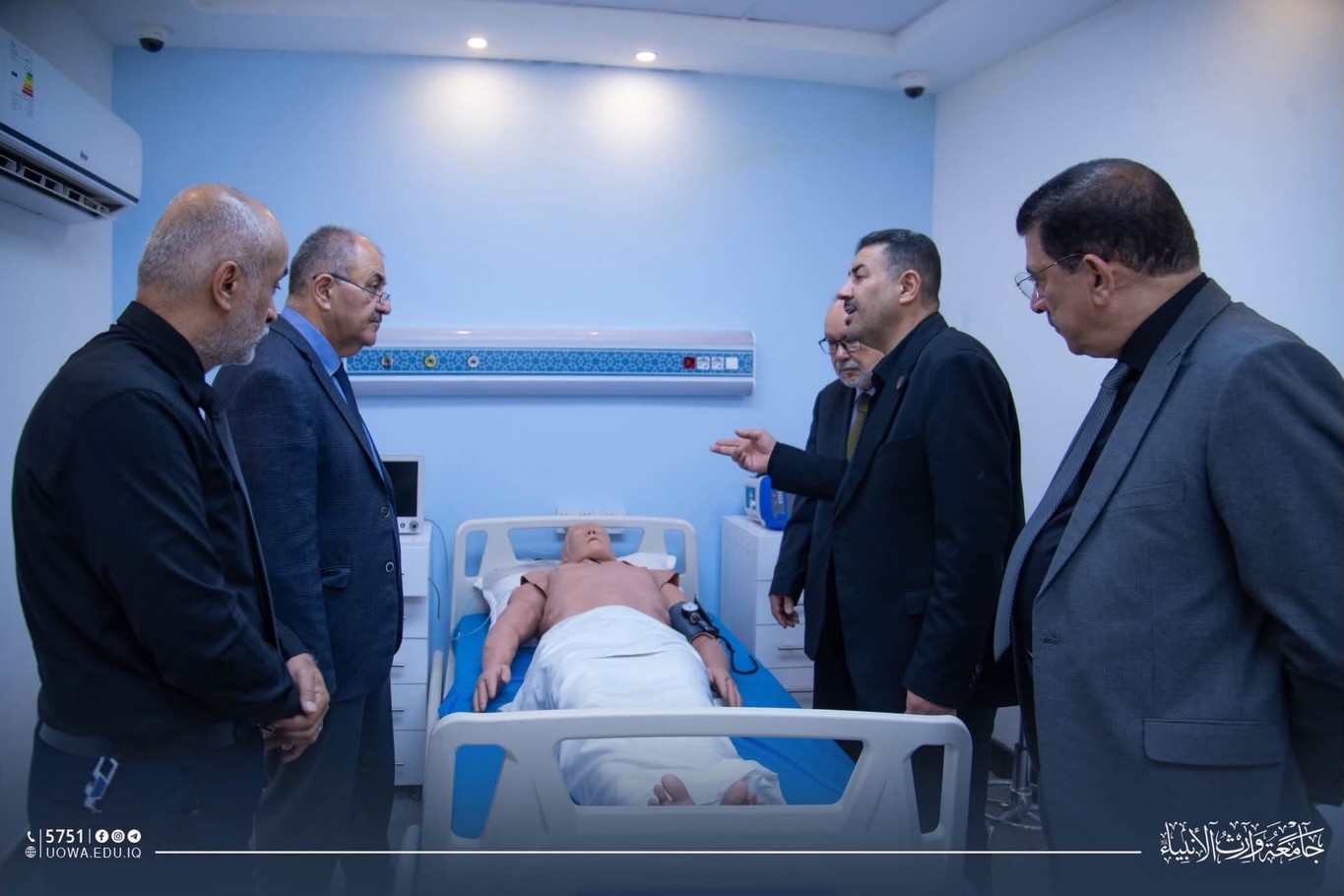
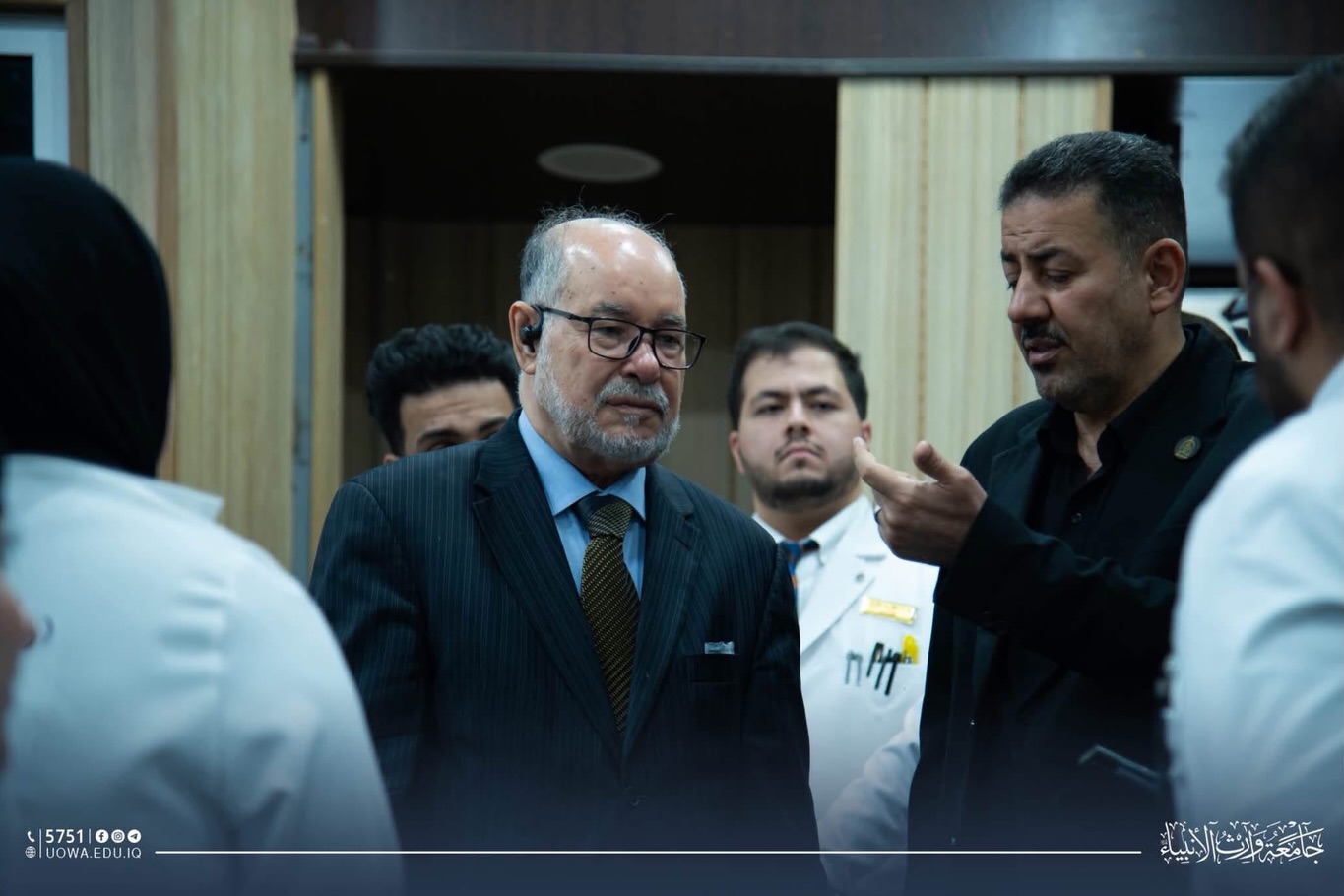
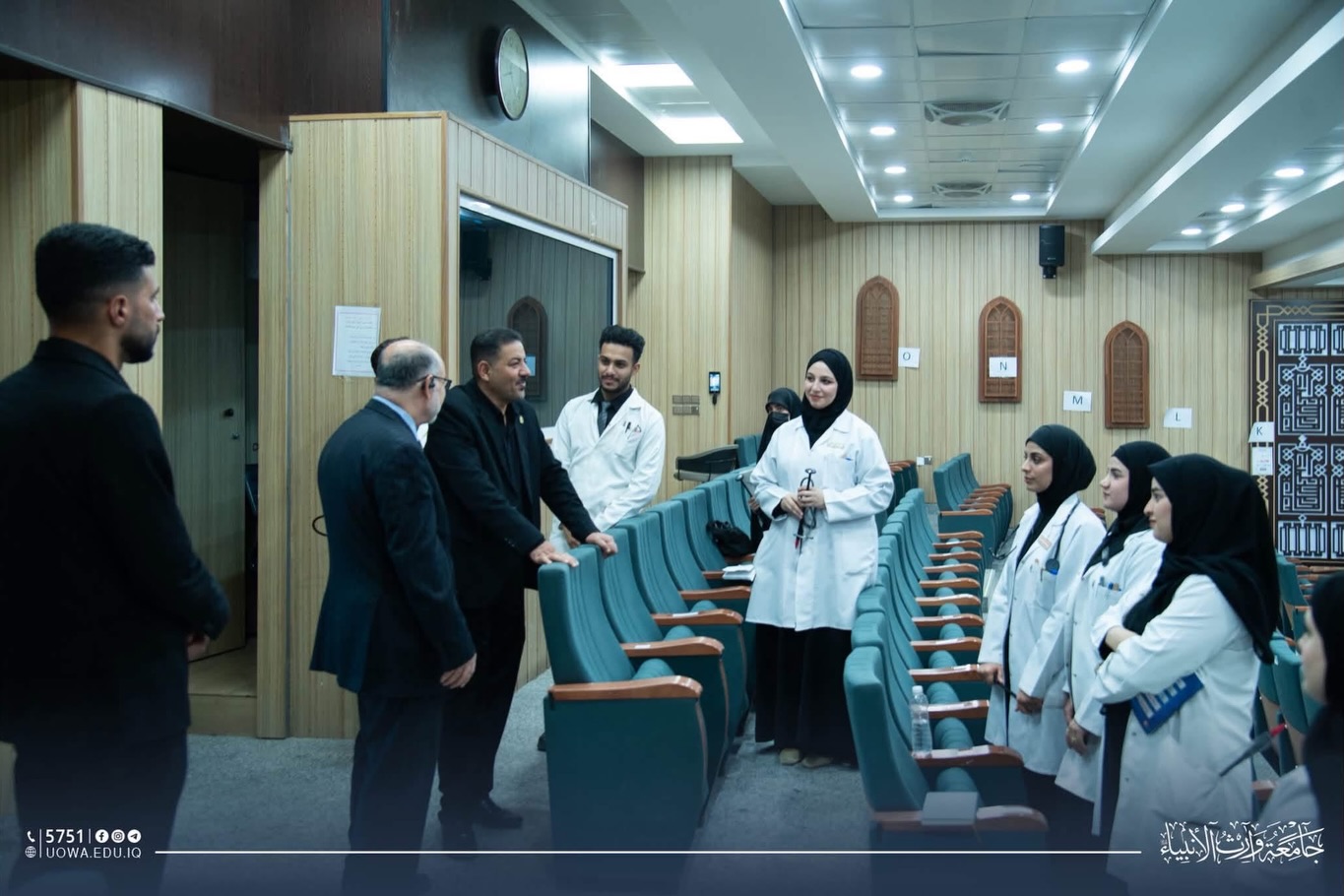
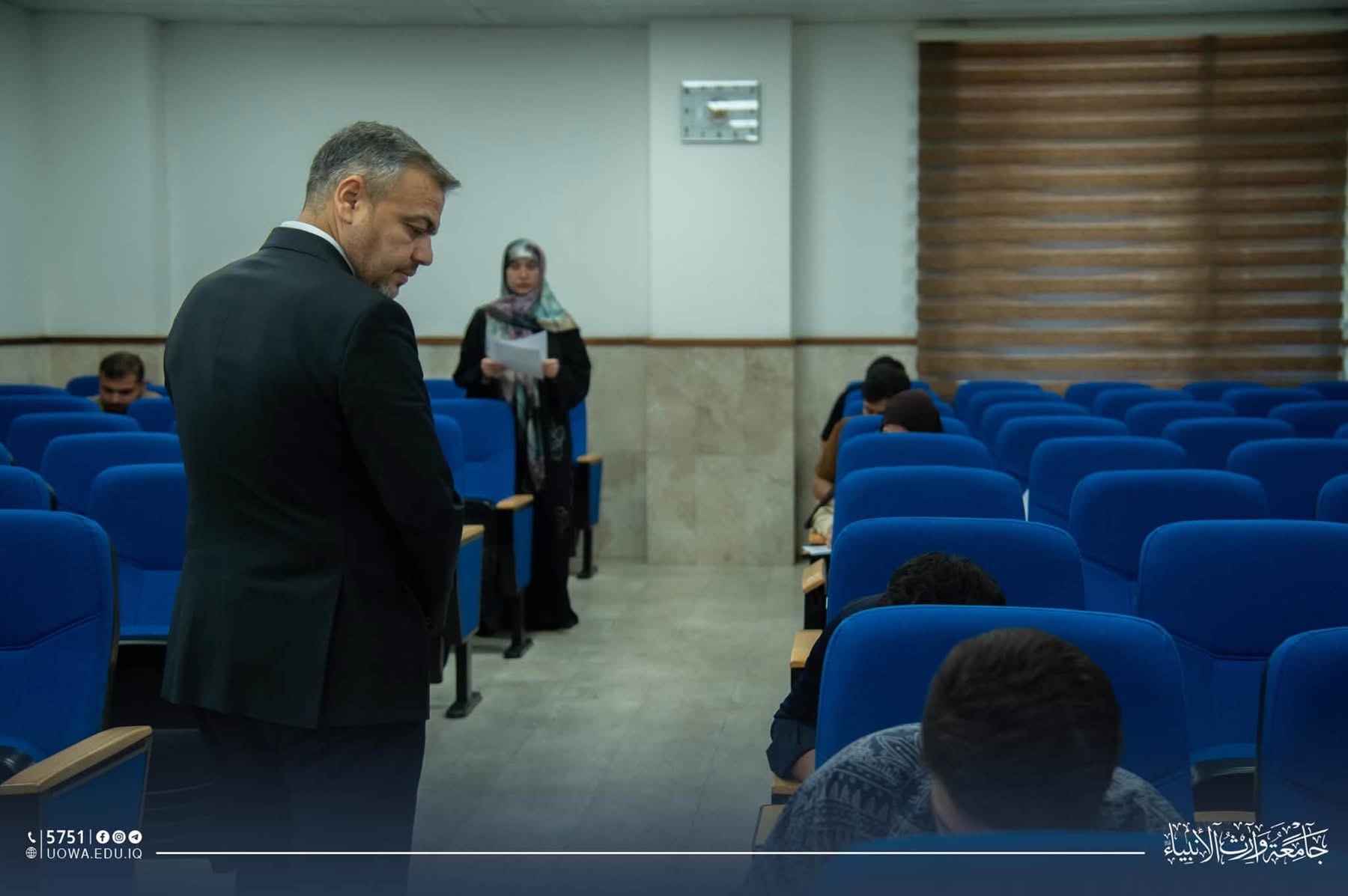
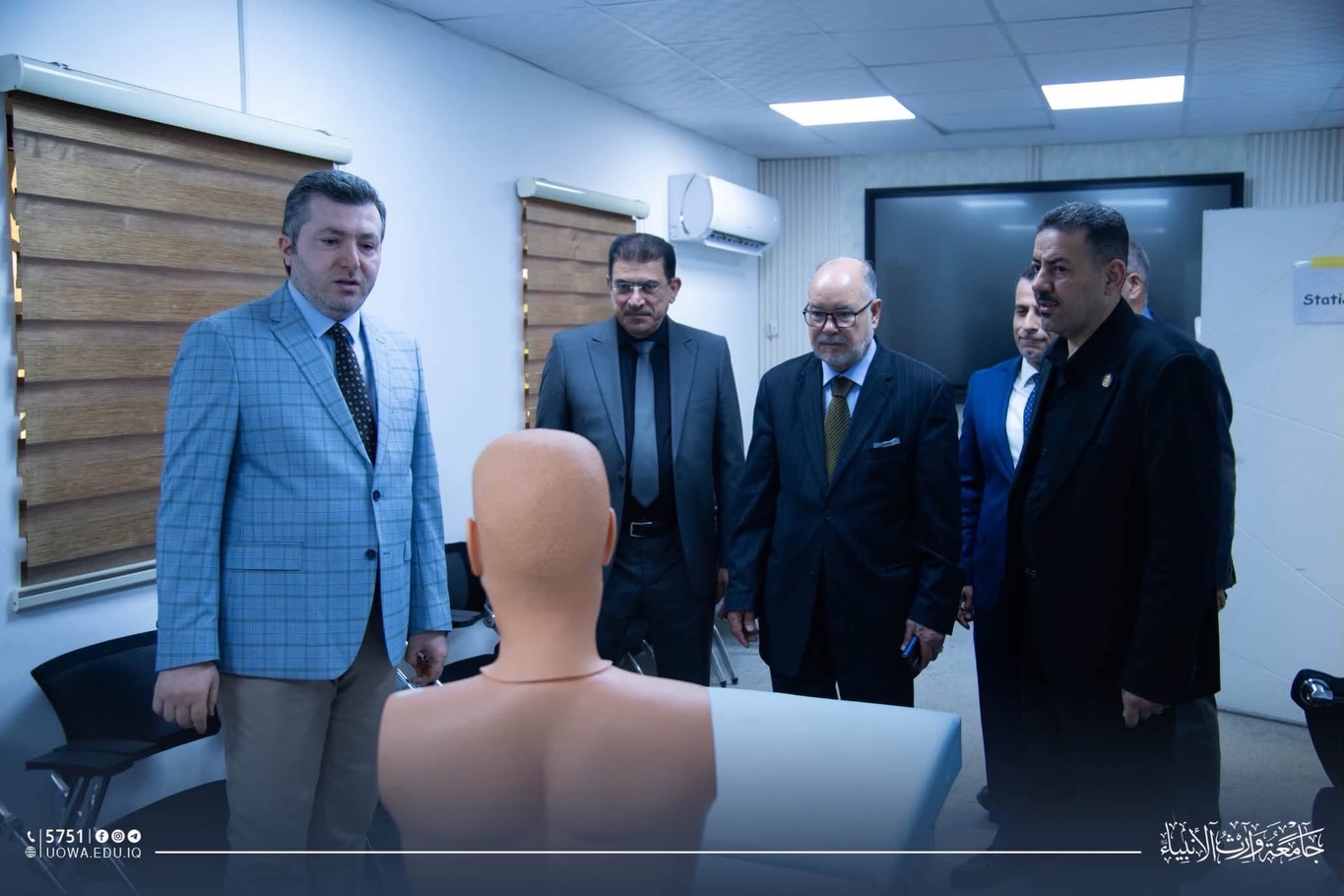
This visit stemmed from the College's strategic policy of "evaluation and assessment." The esteemed professors participated as external evaluators and assessors for the comprehensive clinical examinations for sixth-year medical students, which covered all basic medical specialties (general surgery, internal medicine, pediatrics, and obstetrics and gynecology). The visit included a field tour during which the official delegation meticulously observed the details and procedures of the examination process, the level of organization in terms of the number of stations and the smooth flow of examination lines, as well as reviewing the academic qualifications and credentials of the supervising professors and assessing the students' consistent skill performance, which reflects their high level of achievement, comparable to their outstanding results in previous ministerial examinations.
These steps, with their international and regional dimensions, affirm the prestigious standing of Warith Al-Anbiya University (peace be upon him) and its advanced infrastructure. They also underscore the College of Medicine's commitment to empowering its students by subjecting the educational and examination processes to the highest standards of national and regional academic oversight and rigor, thus ensuring world-class medical graduates.