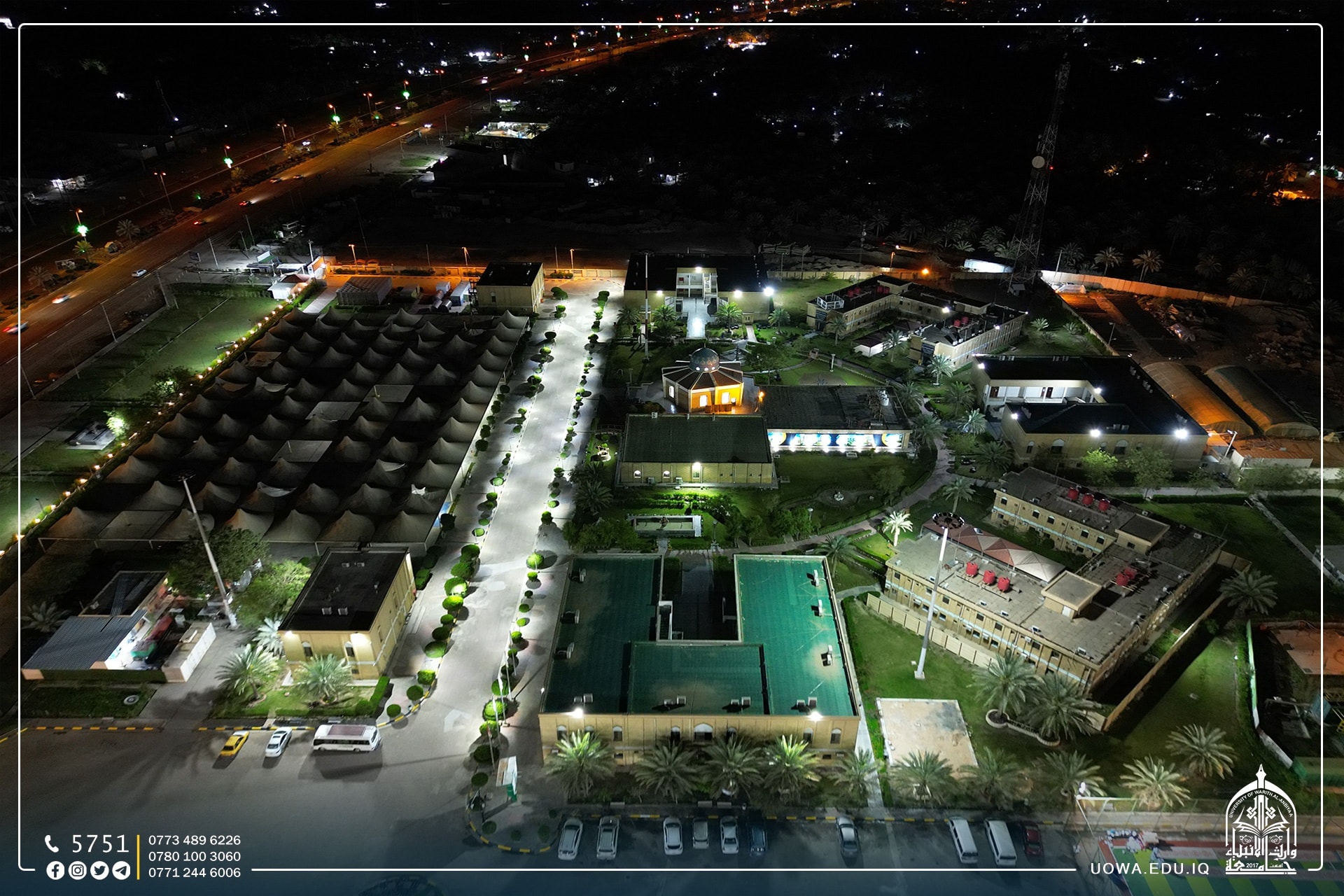


The University of Warith Al-Anbiyaa continues to strengthen its commitment to sustainable transportation by investing in a safe, accessible, and pedestrian-oriented campus that encourages walking as the primary mode of travel. By integrating high-quality pedestrian infrastructure with the University's wider sustainable transportation network, the University reduces dependence on motorised vehicles, lowers greenhouse gas emissions, and creates a healthier and more inclusive environment for students, staff, and visitors.
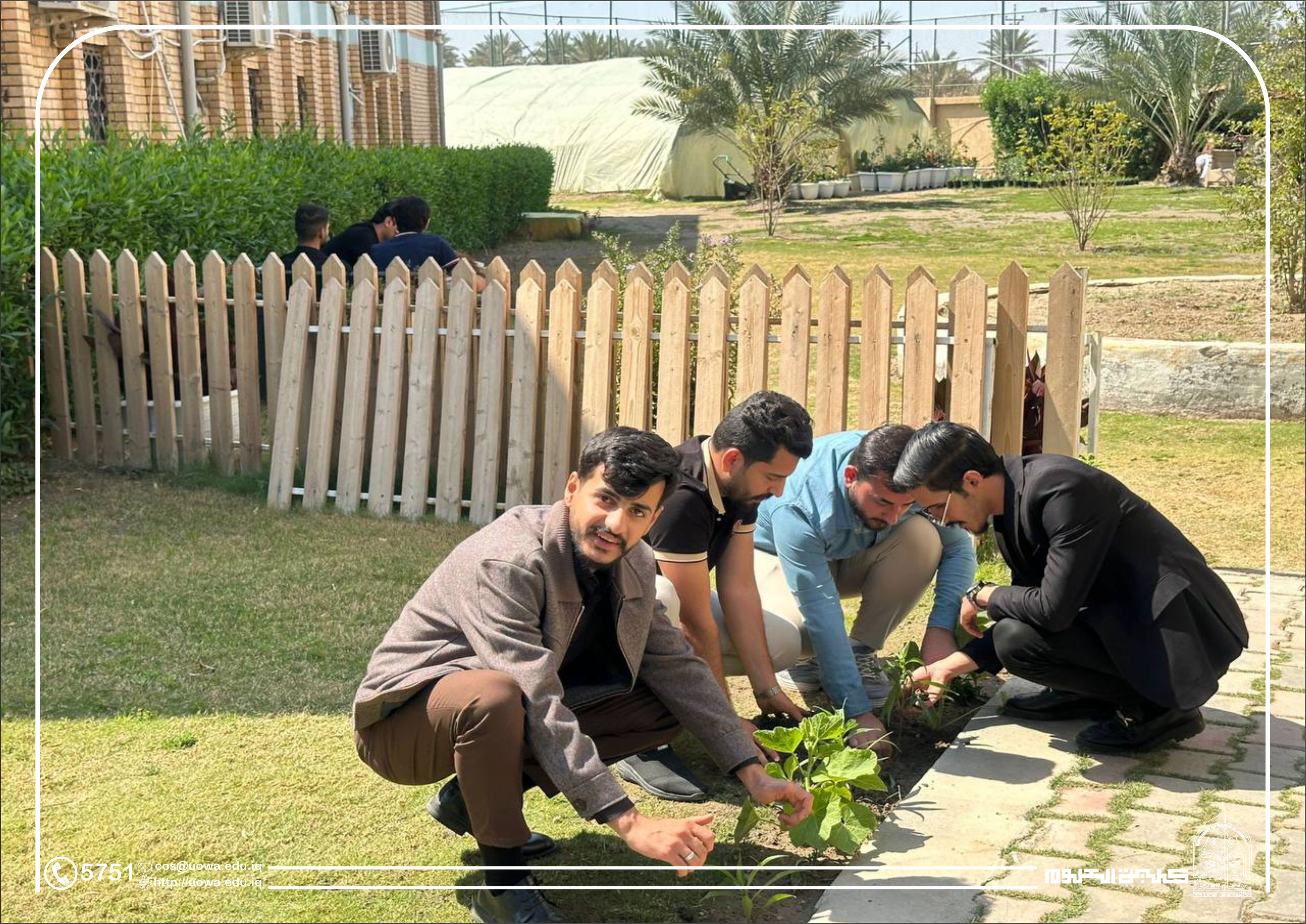
Safe and Well-Connected Pedestrian InfrastructureThe University maintains an extensive network of pedestrian pathways constructed from durable, non-slip paving materials to provide safe movement throughout the campus. Walkways are regularly inspected and maintained to remain free from debris, weeds, standing water, and other obstructions, ensuring a safe and comfortable walking environment throughout the year.
The pedestrian network has been carefully planned to connect academic buildings, laboratories, administrative offices, student accommodation, parking areas, shuttle bus stops, recreational spaces, and student service centres. This integrated design enables students, staff, and visitors to travel efficiently across the campus without relying on private or motorised transportation.
Designed for Comfort, Convenience, and AccessibilityTo encourage walking, pedestrian routes are wide, clearly marked, and designed to maximise comfort and convenience. Benches, seating areas, landscaped gardens, ornamental planting, street lighting, directional signage, and strategically located waste bins enhance the walking experience while improving campus cleanliness, visibility, and wayfinding.
Accessibility remains a fundamental element of the University's pedestrian infrastructure. All pathways incorporate ramps to provide step-free access, while elevators are available in every academic building to support persons with disabilities and individuals with reduced mobility. This barrier-free approach ensures that all members of the University community can safely and conveniently access campus facilities.
Prioritising Pedestrian SafetyPedestrian safety is central to the University's transportation strategy. Vehicle movement is carefully managed through designated car-free zones, reduced traffic in high-pedestrian areas, and clearly separated pedestrian routes. Adequate lighting, clear signage, and routine pathway maintenance further enhance safety during both daytime and evening hours, creating a secure environment for all campus users.
Supporting Sustainable MobilityThe pedestrian network forms an integral part of the University's wider sustainable transportation strategy. Walking routes are fully integrated with complimentary shuttle bus services, bicycle parking facilities, bicycle repair stations, electric vehicle charging points, and designated parking areas, enabling seamless transitions between different modes of sustainable transportation. The University's compact campus design also places academic buildings and essential services within comfortable walking distance, reducing the need for internal motorised transport and encouraging active travel.
Environmental and Community BenefitsBy prioritising walking over private vehicle use, the University reduces greenhouse gas emissions, improves local air quality, minimises traffic congestion, and creates a quieter and healthier campus environment. The pedestrian-oriented design also encourages daily physical activity, supports student and staff well-being, promotes social interaction, and contributes to a more vibrant and sustainable campus community.
A Commitment to Continuous ImprovementThe University of Warith Al-Anbiyaa remains committed to continuously enhancing its pedestrian infrastructure through regular maintenance, accessibility improvements, expansion of pedestrian-friendly spaces, and integration with sustainable transportation initiatives. By investing in safe, convenient, and inclusive walking environments, the University continues to advance low-carbon mobility while supporting SDG 3 (Good Health and Well-being), SDG 11 (Sustainable Cities and Communities), and SDG 13 (Climate Action).