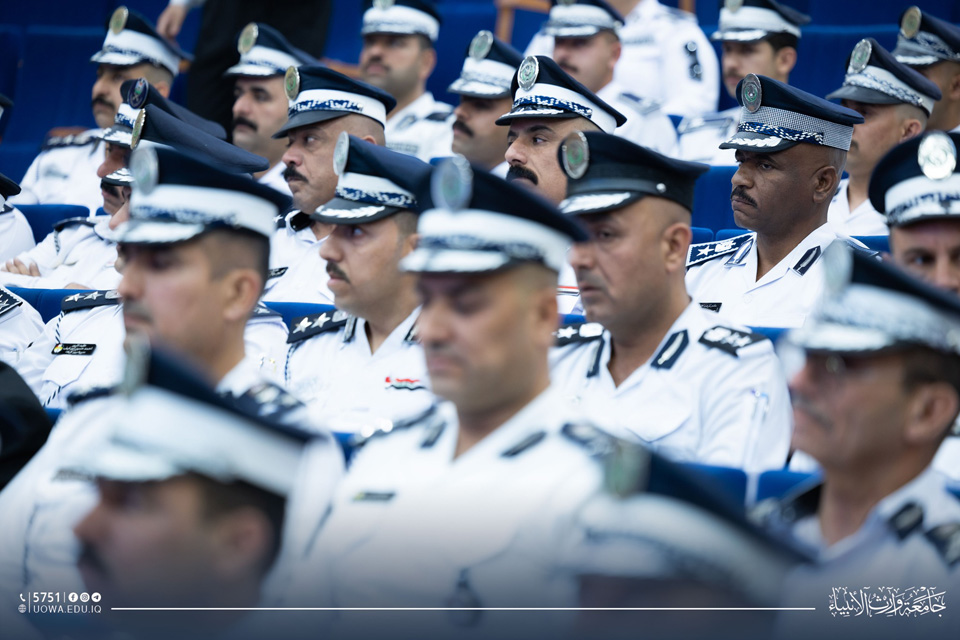
In the presence of the President of the University of Warith Al-Anbyiaa, Professor Ibrahim Saeed Al-Hayyawi, the University hosted the central celebration marking the Fifty-Second Traffic Week, held under the slogan: “Together for Safer Roads and a Better Life.”
The event included awareness speeches, specialised lectures, and video presentations highlighting the importance of adhering to traffic laws and regulations. It also focused on the role of community awareness in reducing traffic accidents, protecting lives, and promoting public safety.
The event witnessed strong engagement from students and participants, with emphasis placed on spreading traffic awareness and promoting positive behaviours that contribute to protecting society and reducing road risks.
Hosting this event forms part of the University’s efforts to support awareness initiatives and community service, in line with the Sustainable Development Goals, particularly Goal 3 (Good Health and Well-being) through promoting public safety and reducing accidents, and Goal 16 (Peace, Justice and Strong Institutions) by strengthening community awareness and supporting effective institutions.
The University reaffirmed its commitment to supporting activities that contribute to spreading awareness and strengthening a culture of social responsibility among students.
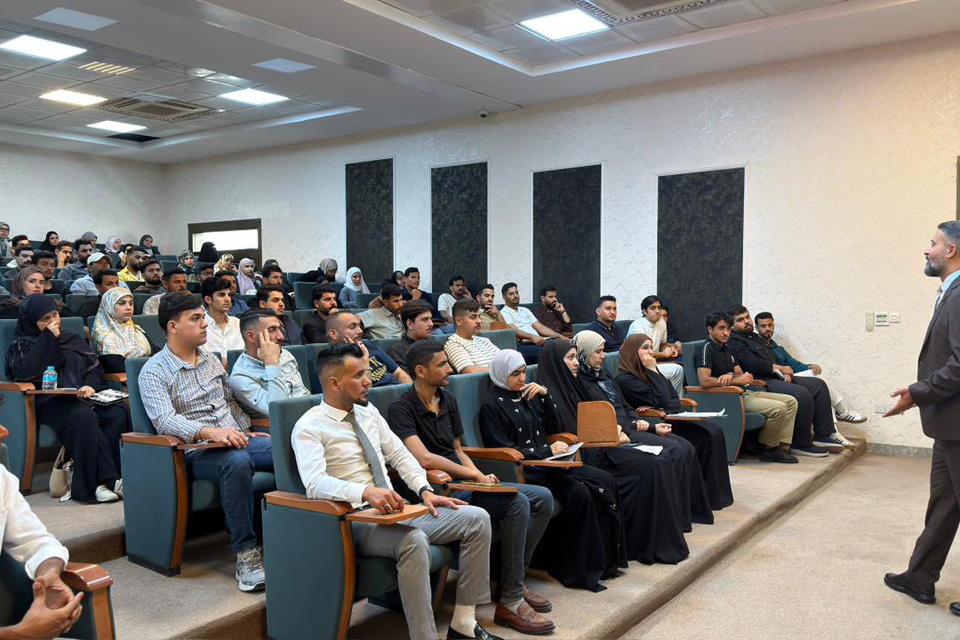
The Science and Technology Parks Department, in cooperation with the College of Administration and Economics at the University of Warith Al-Anbyiaa, organised an awareness workshop entitled “University Relationships… Freedom or Responsibility?”, with the participation of a number of university students.
The workshop aimed to raise awareness of the importance of balancing freedom and responsibility within the university environment. It also highlighted the negative effects of certain behaviours, such as rumours and prejudging others, and their impact on the educational environment and social relationships among students.
The workshop further addressed the importance of building a university environment based on mutual respect and ethical awareness. This contributes to strengthening positive interaction and promoting a culture of dialogue and responsibility within the university community.
This initiative forms part of the University’s efforts to promote social awareness and positive behaviour among students, in line with the Sustainable Development Goals, particularly Goal 4 (Quality Education) through supporting a safe and conscious educational environment, and Goal 16 (Peace, Justice and Strong Institutions) by strengthening social cohesion and promoting institutions based on respect and responsibility.
The University reaffirmed its commitment to organising awareness programmes that contribute to building students’ character and strengthening a culture of responsibility within the university community.
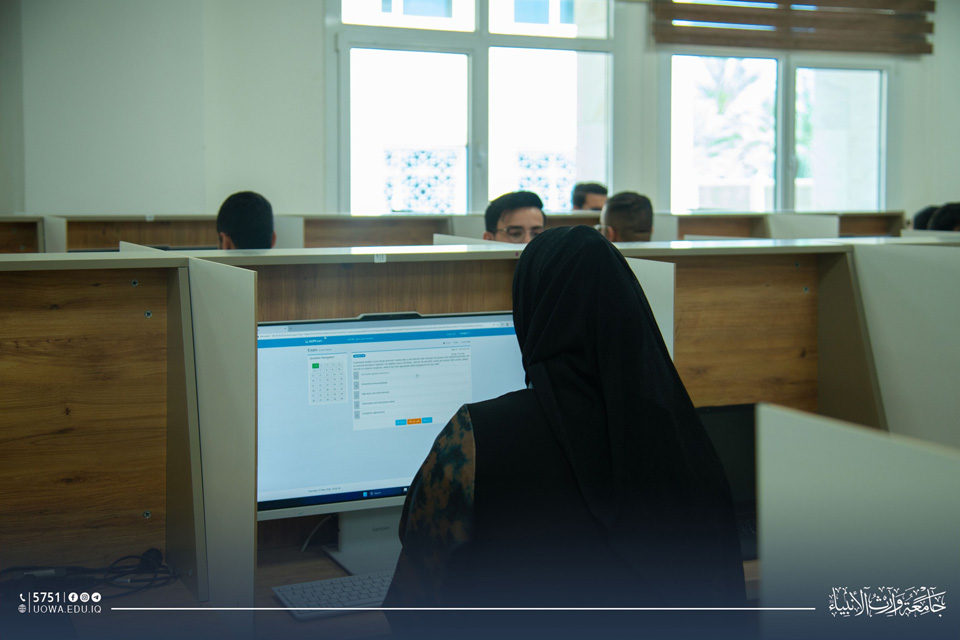
The College of Medicine at the University of Warith Al-Anbyiaa conducted a pilot ministerial standardised examination for sixth-year students as part of comprehensive organisational and technical preparations aimed at simulating the official ministerial examination and enhancing students’ readiness.
The examination involved the preparation of classrooms and laboratories, along with the provision of technical equipment, electronic systems, and logistical services required to ensure smooth performance and a well-organised examination environment in accordance with approved standards.
This examination forms part of the College’s efforts to enhance students’ academic and examination competencies and strengthen their preparedness to undertake ministerial examinations with confidence and high efficiency. It also contributes to improving the quality of medical education outcomes.
This initiative aligns with the Sustainable Development Goals, particularly Goal 4 (Quality Education) through strengthening educational quality and academic assessment, and Goal 3 (Good Health and Well-being) by supporting the healthcare sector with qualified medical professionals.
The College reaffirmed its commitment to adopting modern methods of training and assessment to create an advanced educational environment that supports students’ success and academic excellence.
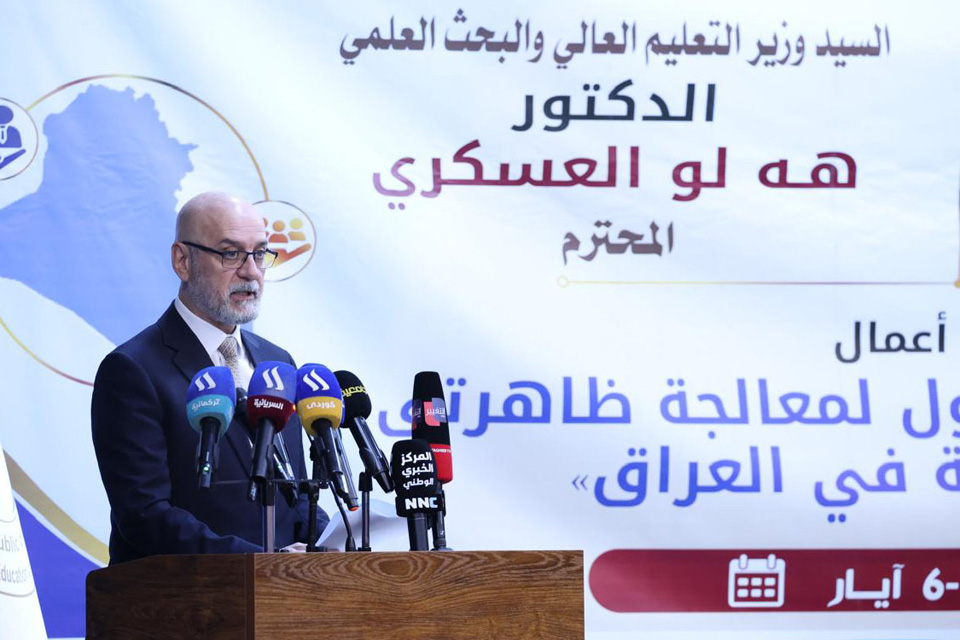
The Minister of Higher Education and Scientific Research, Dr Ha Lo Al-Askari, affirmed that Iraqi universities are providing expanding educational opportunities to keep pace with population growth indicators.
This came during his speech at the opening of the First Scientific Conference on Addressing Unemployment and Poverty in Iraq 2026, organised in cooperation with the Ministry of Planning. He stated that the Ministry of Higher Education and Scientific Research is committed to aligning educational outcomes with the needs of society and the labour market. This aims to transform universities into influential institutions capable of reducing unemployment, combating poverty, and strengthening sustainable development indicators.
He also highlighted the Ministry’s efforts in updating academic programmes, developing curricula, supporting technical education, strengthening partnerships with state institutions and the private sector, expanding training environments, and equipping students with entrepreneurial skills that prepare them to integrate into the knowledge economy.
For his part, the Acting Minister of Planning, Dr Khalid Battal Al-Najm, reviewed development indicators and their relationship to poverty and unemployment trends. He stressed that the Ministries of Higher Education and Planning share responsibility for identifying challenges and developing sustainable solutions through institutional cooperation.
The first session of the conference featured scientific discussions involving representatives from the Ministries of Higher Education, Planning, Labour and Social Affairs, in addition to the Senior Adviser of the United Nations Population Fund, university presidents, representatives of the private sector, unions and professional associations, the International Labour Organization, and a distinguished group of academics and researchers.
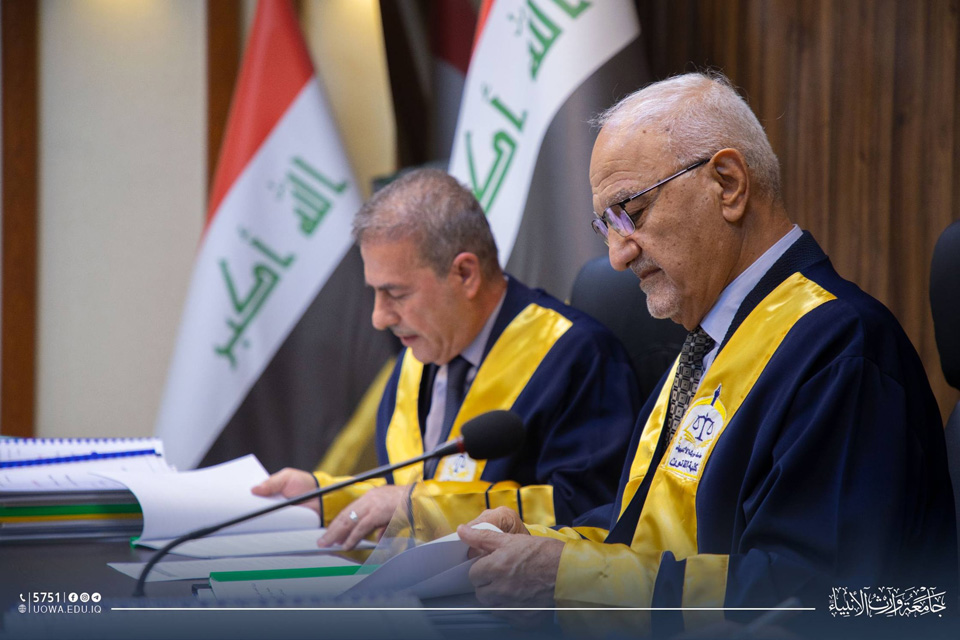
In an academic setting reflecting the University’s commitment to scholarly excellence, the College of Law held presentations for graduation research projects of fourth-year students. The event took place in a rigorous academic atmosphere that reflected the students’ efforts throughout their years of study.
The discussions were attended by the Vice President of Administrative Affairs, Professor Nowfal Al-Araji, along with the College Deanship. Specialised academic committees evaluated the research projects in accordance with approved academic standards, reflecting the students’ level of scientific and research preparation.
The research projects addressed a variety of legal and political topics, contributing to the development of students’ analytical and research skills and preparing them to engage professionally with competence and confidence.
This initiative forms part of the University’s efforts to support academic research and enhance educational outcomes, in line with the Sustainable Development Goals, particularly Goal 4 (Quality Education) and Goal 16 (Peace, Justice and Strong Institutions).
The College reaffirmed its commitment to providing a motivating academic environment that prepares qualified legal and political professionals capable of serving society and contributing to sustainable development.
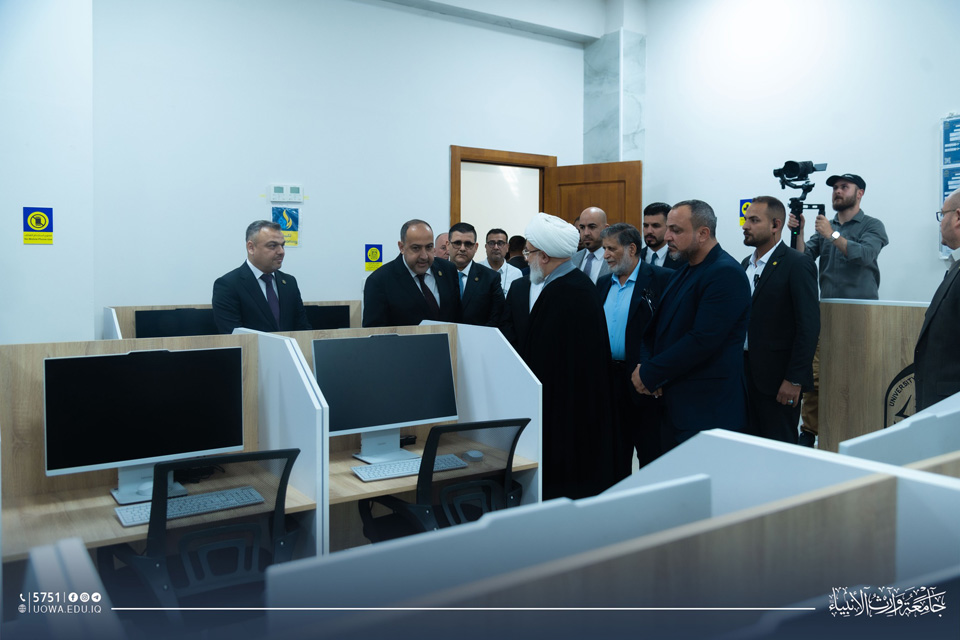
The representative of the Supreme Religious Authority, His Eminence Sheikh Abdul Mahdi Al-Karbalaei, visited the University of Warith Al-Anbyiaa, where he was received by the President of the University, Professor Ibrahim Al-Hayyawi, along with several College Deans.
The visit formed part of ongoing field follow-ups to review the latest academic and infrastructural developments at the University, as well as to discuss key strategic plans recently implemented to enhance the quality of higher education and develop the academic environment.
During the visit, His Eminence Sheikh Al-Karbalaei emphasised that the highest objective of educational institutions is the development of individuals above all else. He also highlighted the importance of strengthening education and preparing students with leadership qualities who are capable of contributing to society and shaping the future of the country.
For its part, the University Presidency reaffirmed its commitment to implementing the vision of the Supreme Religious Authority and to strengthening the University’s position as a leading academic institution that contributes to human development and promotes academic and societal values.
These efforts support the advancement of educational quality and the development of national competencies, in line with the Sustainable Development Goals, particularly Goal 4 (Quality Education) and Goal 16 (Peace, Justice and Strong Institutions).
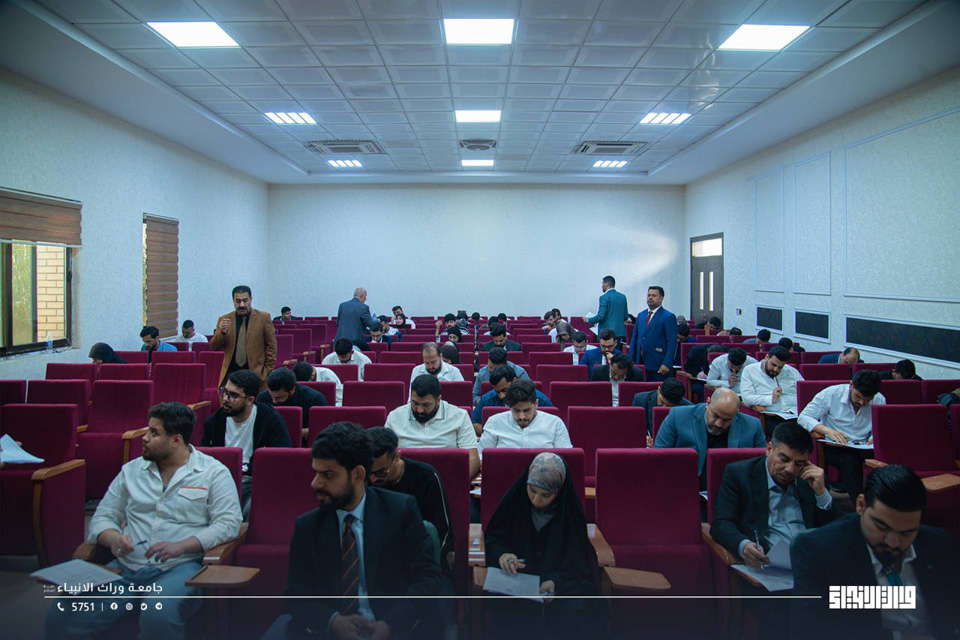
The Department of Digital Media in the College of Media at the University of Warith Al-Anbyiaa achieved a full success rate (100%) in the joint examination with its counterpart at the University of Thi Qar. The examination included students from the second and third years. It was conducted within the framework of academic cooperation between the two universities and in accordance with the instructions of the Iraqi Ministry of Higher Education and Scientific Research.
The examination covered Communication Theories, Digital Editing, Photography and Video Techniques, and Mobile Journalism. This achievement reflects the strong academic and practical standards of the students, as well as the efforts of the academic staff in developing the educational process.
This success reflects the University’s commitment to enhancing the quality of education and advancing digital media skills. It aligns with the Sustainable Development Goals, particularly Goal 4 (Quality Education) through improving academic standards, and Goal 9 (Industry, Innovation and Infrastructure) by supporting innovation and modern technologies in education.
The College reaffirmed its commitment to supporting educational and practical programmes that prepare media professionals capable of keeping pace with digital developments and the demands of the modern labour market.
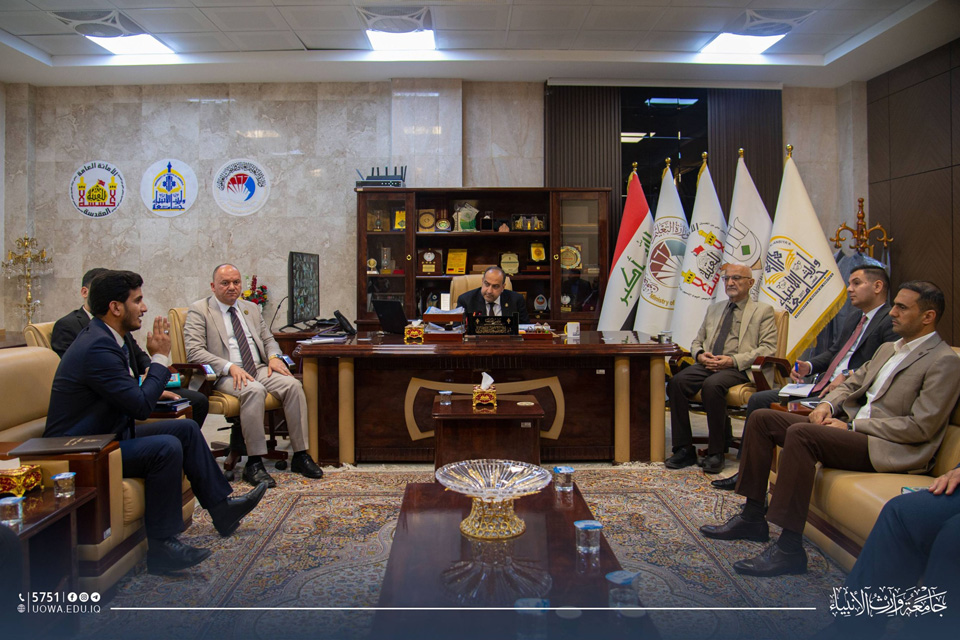
The President of Warith Al-Anbiyaa University, Professor Dr Ibrahim Al-Hayyawi, in the presence of the Vice President for Administrative Affairs, Professor Dr Nowfal Al-Araji, chaired an expanded meeting with the heads of the university’s administrative departments to discuss sorganisational aspect and review future plans aimed at advancing institutional development.
The meeting addressed key obstacles and challenges affecting workflow, alongside the presentation of appropriate solutions and mechanisms designed to enhance administrative efficiency and improve the quality of services provided within the university.
This meeting is part of the university’s strategic direction towards developing institutional performance and consolidating principles of effective administration, in alignment with Sustainable Development Goal 16: Peace, Justice and Strong Institutions, through strengthening institutional efficiency and effectiveness. It also supports the educational and administrative environment in accordance with Sustainable Development Goal 4: Quality Education.
The University Presidency reaffirmed its continued commitment to adopting developmental plans that contribute to enhancing performance levels and achieving a more efficient and well-organised university environment.
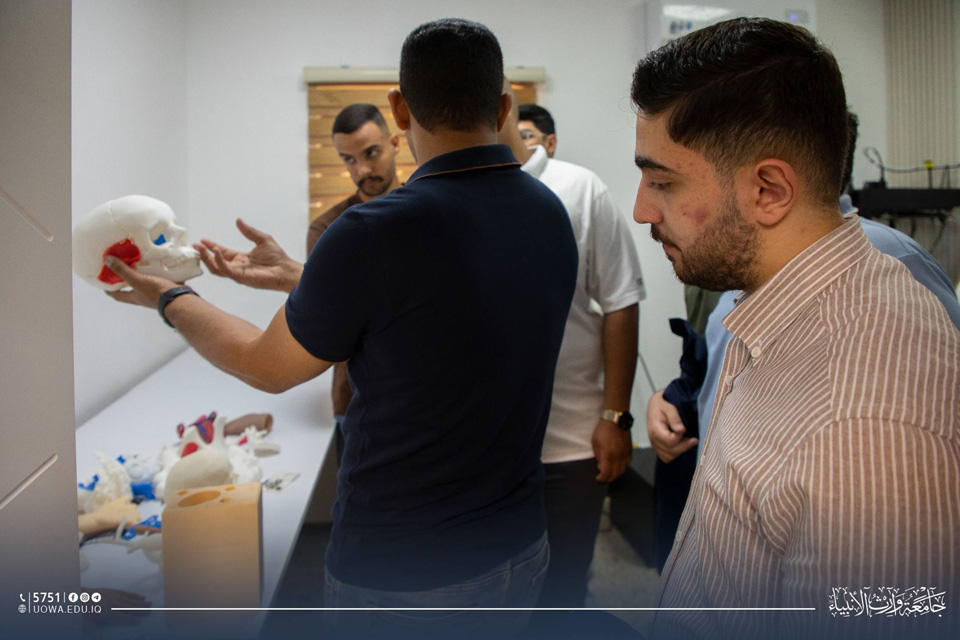
The Department of Science and Technology Parks, in collaboration with the College of Modern Technologies at Warith Al-Anbiyaa University, organised a scientific workshop entitled “The Future of Artificial Intelligence in the Private Sector Labour Market”, targeting students from the Artificial Intelligence and Robotics departments.
The workshop addressed the latest developments in the field of artificial intelligence, as well as the technical and professional skills required by the contemporary labour market. It also emphasised the importance of keeping pace with digital transformation and enhancing students’ practical competencies in a manner that strengthens their future career prospects.
This activity forms part of the university’s efforts to prepare qualified technical cadres capable of adapting to the demands of the digital era, in alignment with Sustainable Development Goal 4: Quality Education, through the development of modern skills. It also supports innovation and technology in accordance with Sustainable Development Goal 9: Industry, Innovation and Infrastructure.
The University reaffirmed its continued commitment to organising training programmes and workshops that contribute to bridging the gap between educational outcomes and labour market requirements, while enhancing students’ readiness for their professional futures.
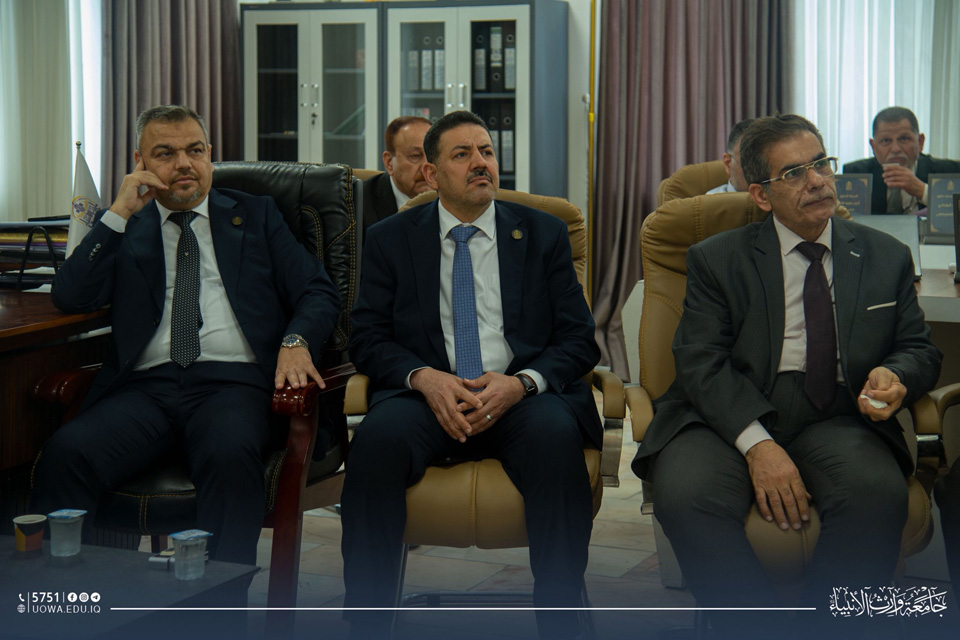
Under the patronage of the President of Warith Al-Anbiyaa University, Professor Dr Ibrahim Al-Hayyawi, and in the presence of the Assistant President for Academic Affairs, Professor Dr Waqed Al-Moussawi, the Steering Committee for Programme Accreditation at the College of Medicine held its regular meeting as part of the university’s ongoing efforts to enhance academic quality and advance educational standards.
The meeting addressed an evaluation of the current status of programme accreditation, reviewed the approved progressive plan, and examined relevant policies alongside feedback analysis. It also outlined the preliminary framework for the upcoming year’s plan, in support of achieving quality standards and academic accreditation in accordance with established benchmarks.
This meeting forms part of the university’s strategic direction to develop educational programmes and improve medical education outcomes, in alignment with Sustainable Development Goal 4: Quality Education, through the enhancement of higher education quality. It also supports effective educational institutions in line with Sustainable Development Goal 16: Peace, Justice and Strong Institutions.
The University Presidency reaffirmed its continued commitment to supporting academic accreditation initiatives, contributing to the development of an advanced learning environment that meets contemporary international standards.
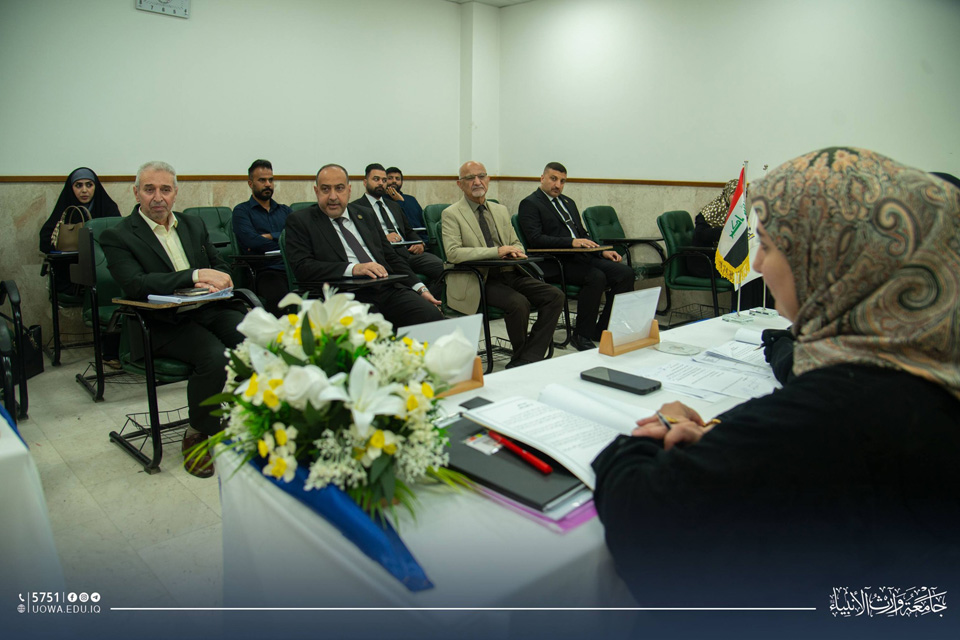
In the presence of the President of Warith Al-Anbiyaa University, Professor Dr Ibrahim Al-Hayyawi, and the Vice President of Administrative Affairs, Professor Dr Nowfal Al-Araji, the Deanship of the College of Islamic Sciences has commenced the discussion of undergraduate graduation research projects for the academic year 2025–2026. The sessions were held in a scholarly atmosphere that reflects the university’s commitment to strengthening academic research and developing students’ scientific skills.
The discussions featured the presentation of a range of research projects addressing diverse academic and intellectual themes, contributing to the enhancement of students’ research capabilities and the consolidation of analytical and academic dialogue skills.
This activity forms part of the university’s efforts to support both the educational and research process, in alignment with Sustainable Development Goal 4: Quality Education, through the enhancement of higher education quality and the development of research competencies. It also contributes to the development of an informed knowledge-based society, in accordance with Sustainable Development Goal 16: Peace, Justice and Strong Institutions.
The College Deanship reaffirmed its continued commitment to providing a stimulating academic environment that fosters creativity and academic research, contributing to the preparation of qualified academic cadres capable of serving society.
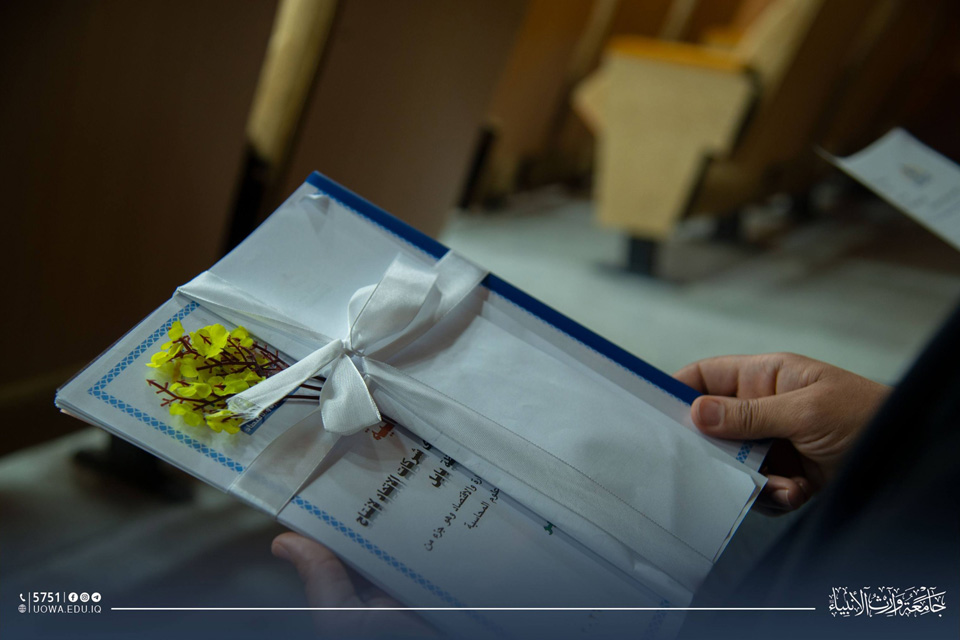
In the presence of the Vice President for Administrative Affairs Professor Dr Nowfal Al-Araji, the College of Administration and Economics held the final-year research presentations for students of the 2025–2026 academic year, in a distinguished academic setting that reflected the significant efforts of both students and supervising staff.
The presentations featured a range of research projects addressing diverse topics in the fields of management and economics, contributing to the development of students’ research and analytical skills, and supporting their academic and professional preparation for the labour market.
This activity forms part of the University’s commitment to enhancing students’ academic capabilities, in alignment with the Sustainable Development Goals (SDGs)—particularly Goal 4: Quality Education, through improving the quality of higher education. It also supports Goal 8: Decent Work and Economic Growth by developing professional and economic competencies.
The College reaffirmed its commitment to supporting academic activities that contribute to preparing qualified graduates capable of serving the community and advancing sustainable development.
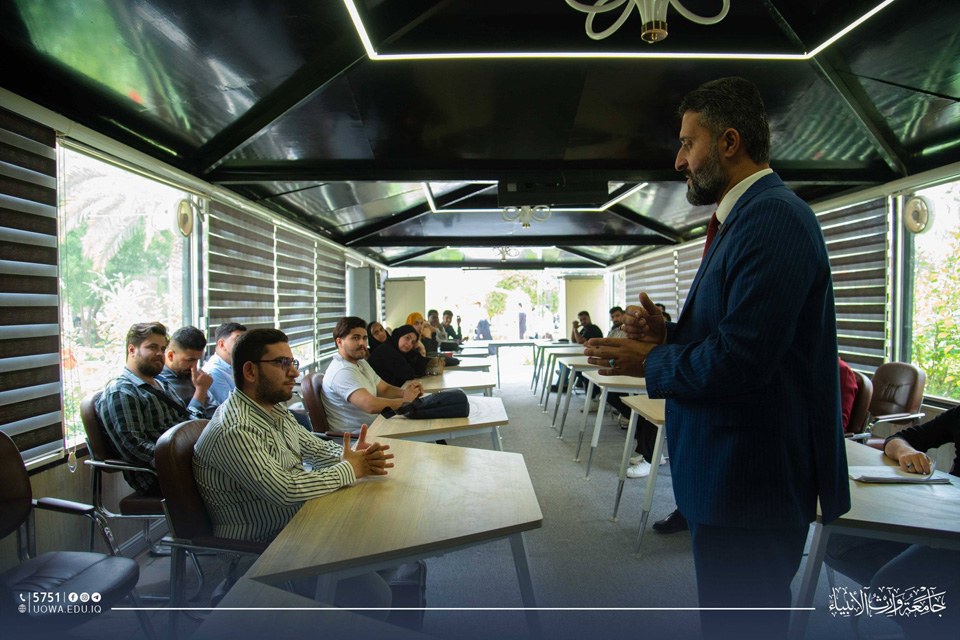
The Department of Science and Technology Parks organised an academic workshop for third-year students in the College of Media entitled “The Future of Artificial Intelligence in the Private Sector Job Market.”
The workshop was delivered by trainers Safaa Al-Saylawi and Karrar Rasool, who presented key recent developments in the field of artificial intelligence and highlighted the digital skills required to meet the demands of the labour market. Particular emphasis was placed on the importance of utilising modern technologies to enhance career opportunities.
The session witnessed strong student engagement, with discussions and questions focusing on the future of digital careers and employment prospects in the private sector, alongside an emphasis on the need to develop technical skills in line with rapid digital transformation.
This workshop forms part of the University’s efforts to prepare young professionals capable of competing in the labour market, in alignment with the Sustainable Development Goals (SDGs)—particularly Goal 4: Quality Education, through the development of modern skills. It also supports Goal 9: Industry, Innovation and Infrastructure by promoting innovation and technology.
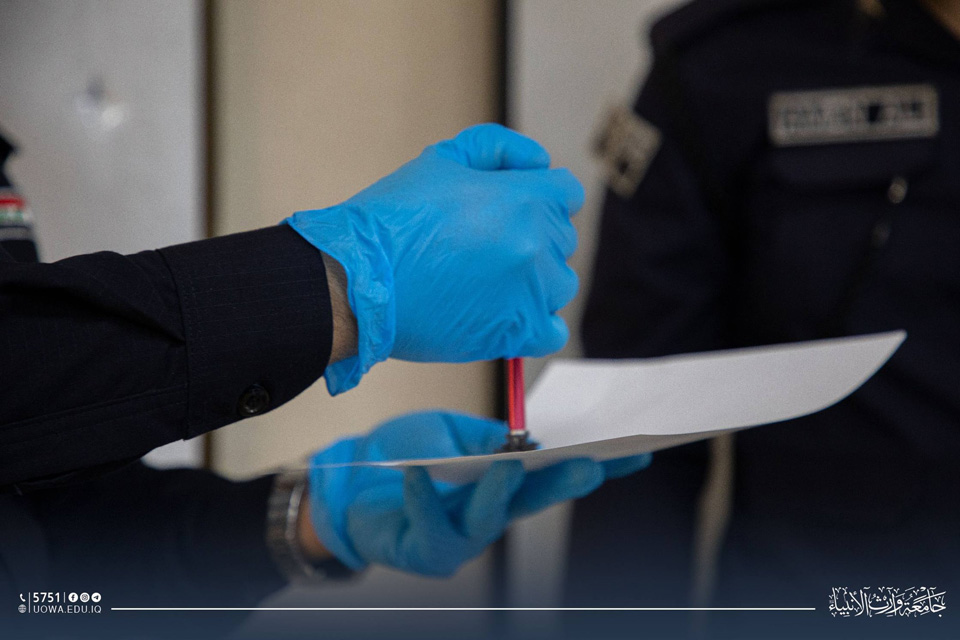
The College of Science, represented by the Department of Forensic Evidence at the University of Warith Al-Anbiyaa, organised an academic seminar entitled “Crime Scene Preservation”, delivered by Lieutenant Colonel Haider Eidan from the Karbala Police Command / Forensic Evidence Department, with the participation of students from the department.
The seminar addressed the importance of preserving the crime scene as the primary source of forensic evidence, highlighting the scientific methods used to secure incident sites and prevent contamination. It also outlined professional procedures for handling evidence in a manner that supports justice and the establishment of truth in accordance with modern forensic standards.
This activity forms part of the University’s efforts to strengthen the practical dimension of education and develop students’ specialised skills, in alignment with the Sustainable Development Goals (SDGs)—particularly Goal 4: Quality Education, through supporting applied learning and professional training. It also supports Goal 16: Peace, Justice and Strong Institutions by reinforcing the principles of justice and effective institutions.
The seminar witnessed notable engagement from students, who discussed key challenges related to preserving forensic evidence and the practical mechanisms for handling it in the field.
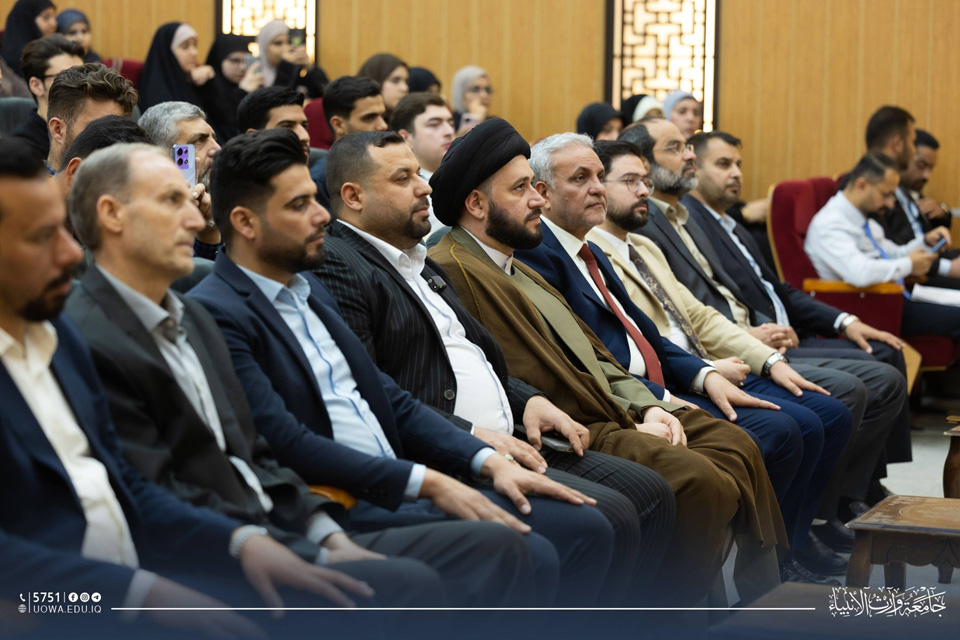
The University of Warith Al-Anbiyaa, represented by the College of Engineering and the Student Activities Department, in cooperation with the Dar Al-Qur’an Department at the Holy Hussaini Shrine, organised a Qur’anic seminar entitled “The Attributes of the Believer’s Heart: Religious and Medical Perspectives”, delivered by the Islamic scholar Dr Sadiq Al-Murouj.
The seminar examined the characteristics of the believer’s heart from both religious and medical perspectives, presenting it as the centre of faith, the foundation of human behaviour, and a source of either tranquillity or distress. It highlighted the relationship between spiritual well-being and values such as sincerity, certainty, and piety, alongside a discussion of the positive role of psychological calmness in supporting cardiovascular health and maintaining balance in accordance with contemporary medical understanding.
This activity forms part of the University’s efforts to enhance religious and health awareness among students, in alignment with the Sustainable Development Goals (SDGs)—particularly Goal 3: Good Health and Well-being, through promoting awareness of mental and physical health. It also supports Goal 4: Quality Education by encouraging knowledge-based awareness and educational engagement.
The seminar witnessed strong attendance and active engagement from students, with numerous contributions and discussions that enriched the session and deepened understanding of the relationship between faith, mental health, and physical well-being.
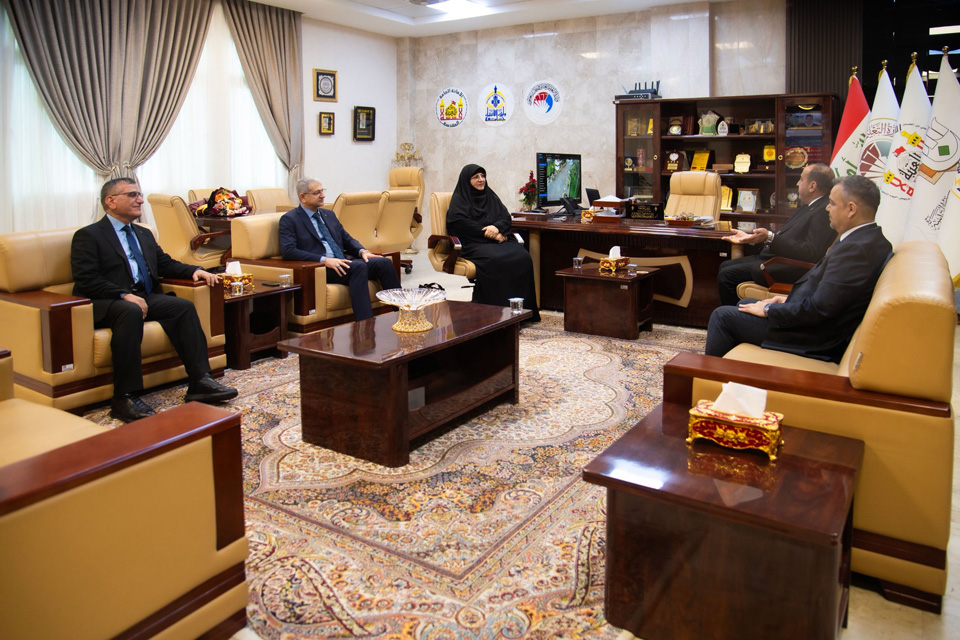
The President of the University of Warith Al-Anbiyaa, Professor Dr Ibrahim Al-Hayyawi, received the President of Al-Zahraa University for Women, Professor Dr Zainab Al-Sultani, as part of efforts to strengthen academic relations between the two institutions.
The meeting addressed ways to develop scientific and academic cooperation, as well as the exchange of expertise between both sides, in a manner that contributes to enhancing the quality of education and achieving shared objectives in supporting the academic mission.
This meeting forms part of the universities’ broader orientation towards strengthening academic partnerships and integrating expertise, in alignment with the Sustainable Development Goals (SDGs)—particularly Goal 4: Quality Education, through improving the quality of higher education. It also supports Goal 17: Partnerships for the Goals by promoting effective institutional collaboration.
Both sides emphasised the importance of continued coordination and the activation of academic agreements in ways that contribute to advancing academic development and serving the wider community.
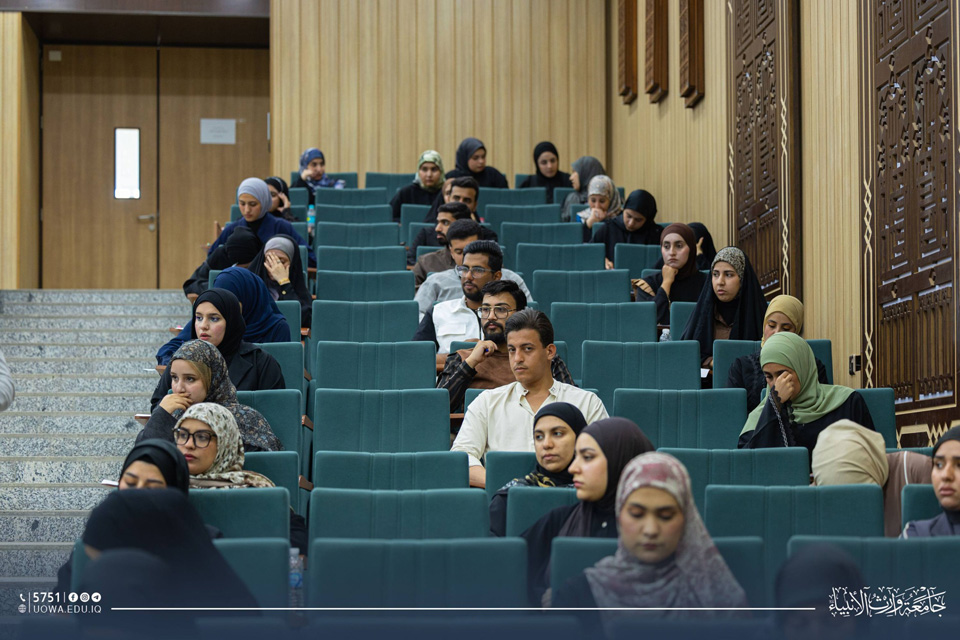
In cooperation with the University of Karbala, and under the supervision of the Iraqi Ministry of Higher Education and Scientific Research, the College of Science at the University of Warith Al-Anbiyaa conducted a joint examination with its counterpart. This initiative aims to strengthen academic standards and promote the exchange of academic expertise between educational institutions.
The examination process was closely monitored, with all logistical and technical requirements provided to ensure smooth implementation. A well-organised examination environment was maintained in accordance with established academic standards.
This collaboration forms part of ongoing efforts to support the quality of education and enhance integration among Iraqi universities, in alignment with the Sustainable Development Goals (SDGs)—particularly Goal 4: Quality Education, through improving the level of academic assessment. It also supports Goal 17: Partnerships for the Goals by expanding opportunities for academic collaboration.
The University reaffirmed its commitment to continuing joint academic initiatives that contribute to the development of the educational process and the achievement of institutional excellence.
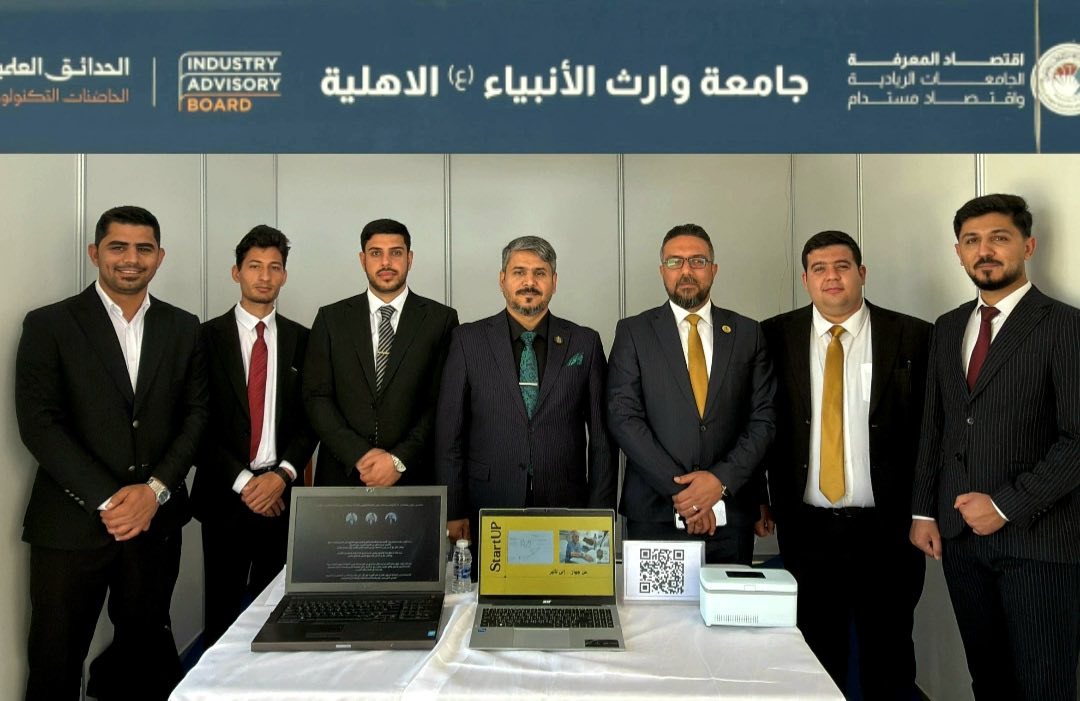
The University of Warith Al-Anbiyaa, represented by the Department of Science and Technology Parks, participated in the Knowledge Economy Conference organised by the Iraqi Ministry of Higher Education and Scientific Research, with wide participation from Iraqi universities.
During the conference, the University was selected among a distinguished group of universities to present success stories and patents, reaffirming its research excellence and active role in supporting the knowledge economy and promoting innovation.
As part of its participation, the University presented innovative models and entrepreneurial projects that reflected its ability to connect educational outcomes with the needs of the labour market. It also showcased student projects that had developed into ideas with economic and social impact, reinforcing its commitment to building an academic environment that encourages creativity.
This participation forms part of efforts to support innovation and a knowledge-based economy, in alignment with the Sustainable Development Goals (SDGs)—particularly Goal 9: Industry, Innovation and Infrastructure, through strengthening scientific research and technological development. It also supports Goal 8: Decent Work and Economic Growth by promoting employment opportunities and sustainable economic progress.
Through this participation, the University reaffirms its continued commitment to developing the research and innovative capacities of its students and contributing effectively to the achievement of sustainable development.
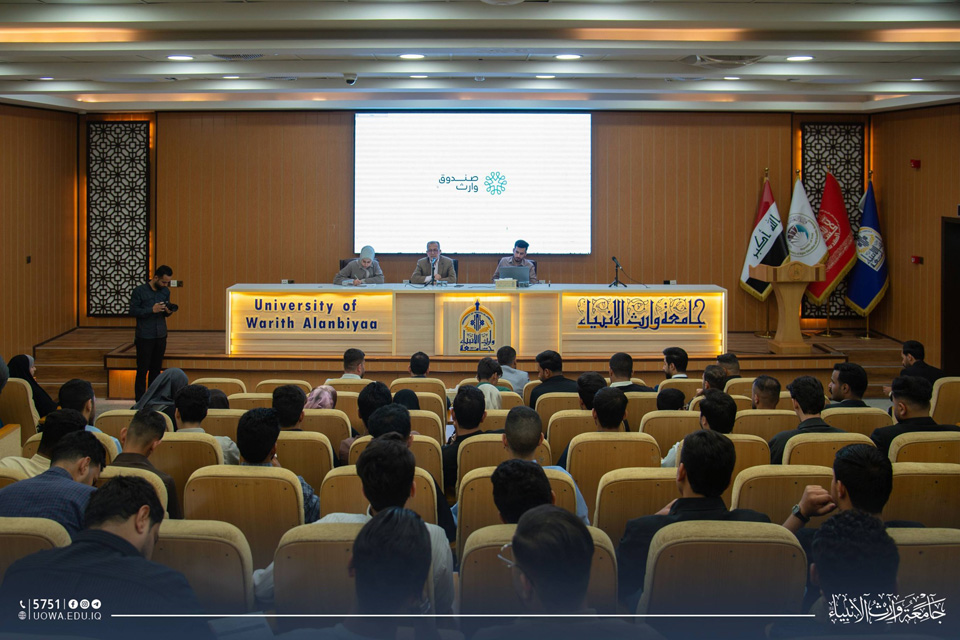
The University of Warith Al-Anbiyaa, in cooperation with the Warith Fund, affiliated with the Warith International Foundation for Cancer Treatment, organised an introductory workshop outlining the Fund’s operating mechanism and the services it provides in offering free medical treatment to children with cancer up to the age of 15 years.
The workshop highlighted the medical and humanitarian efforts devoted to supporting affected cases, with particular emphasis on the importance of community solidarity in caring for children with cancer and reducing the burden on their families. It also introduced the procedures through which beneficiaries may access the Fund’s services.
This event forms part of efforts to strengthen humanitarian and health awareness within the university community, in alignment with the Sustainable Development Goals (SDGs)—particularly Goal 3: Good Health and Well-being, through supporting healthcare for the most vulnerable groups. It also supports Goal 17: Partnerships for the Goals by reinforcing the values of partnership and humanitarian cooperation. The workshop witnessed positive engagement from attendees, reflecting growing interest in health and charitable initiatives that contribute to supporting children affected by cancer and improving their quality of life.
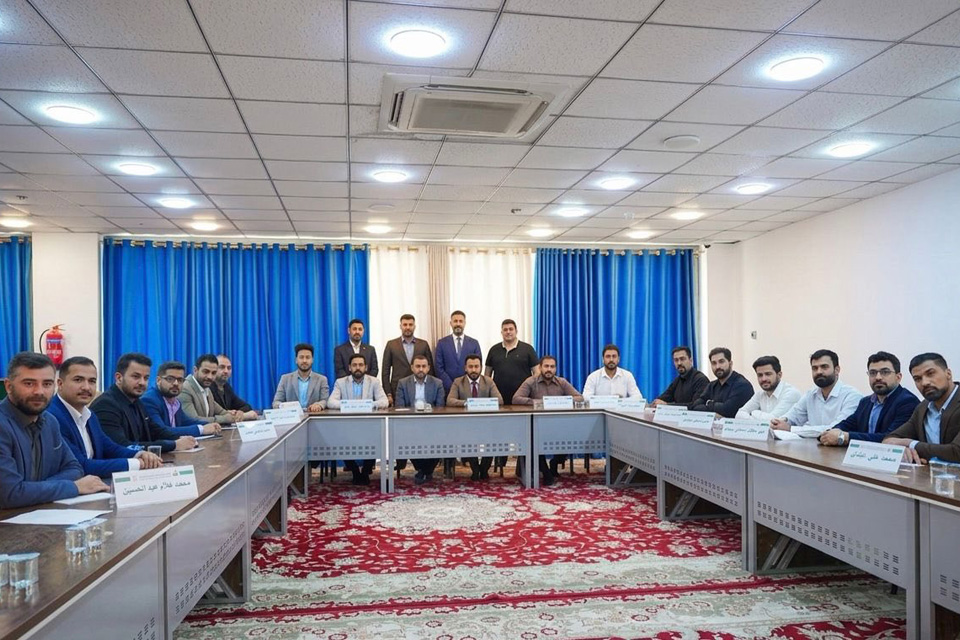
The University of Warith Al-Anbiyaa in cooperation with the Department of Youth Development and Social Rehabilitation at the Imam Hussain Holy Shrine launched its leadership programme under the slogan “Modern Leadership and Creating Influence”, in a step aimed at developing the capabilities of young people and strengthening their role in institutional work.
The first phase of the programme included a series of interactive workshops delivered by Assistant Lecturer Safaa Al-Saylawi and trainer Ali Zuhair Ahmed from the Department of Gardens and Technology Sciences. The sessions focused on developing skills in effective leadership, decision-making, and creating positive influence within various professional environments.
This programme forms part of broader efforts to support and empower young people while enhancing their leadership capacities, in alignment with the Sustainable Development Goals (SDGs)—particularly Goal 4: Quality Education, through the provision of high-quality training opportunities. It also supports Goal 16: Peace, Justice and Strong Institutions by contributing to the development of effective institutions and promising leadership competencies.
The programme reflects the organisers’ commitment to investing in youth potential and preparing young people to make meaningful contributions to community development and the creation of positive impact.
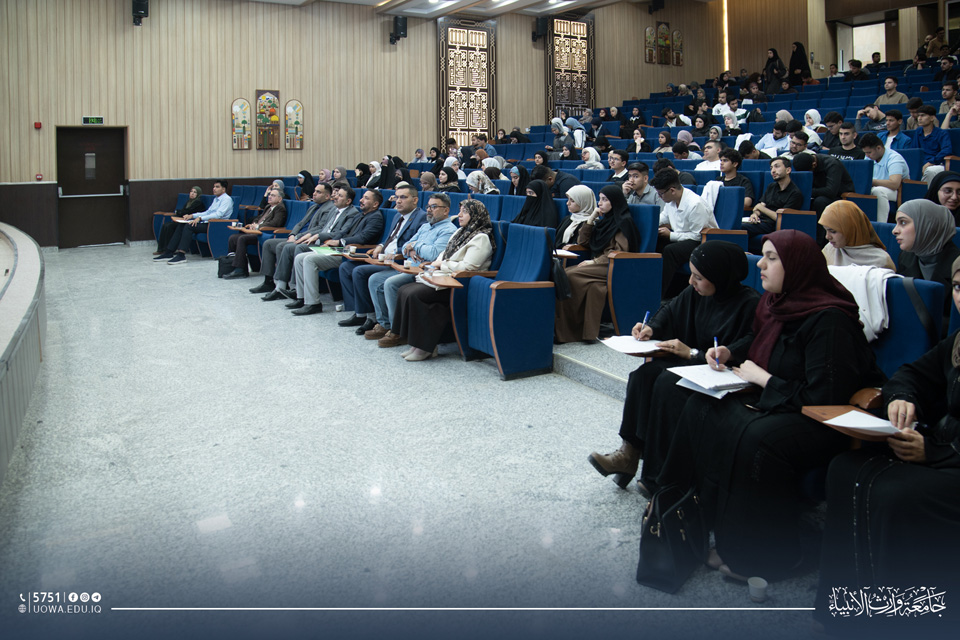
As part of its efforts to strengthen academic awareness and promote the concept of shared responsibility, the College of Medicine at the University of Warith Al-Anbiyaa organised an academic seminar for its students entitled: “The Obligations of Academic Staff and Students Amid Current Challenges: A Legal, Ethical, and Media Perspective.”
The seminar highlighted the importance of adherence to university values and institutional regulations, and their role in building a rigorous educational environment founded on discipline and awareness. It also emphasised the importance of fostering a culture of cooperation between academic staff and students, with positive implications for the quality of the educational process.
This event forms part of the University’s commitment to promoting the principles of responsible education and enhancing academic conduct, in alignment with the Sustainable Development Goals (SDGs)—particularly Goal 4: Quality Education, through supporting a learning environment based on quality and discipline. It also supports Goal 16: Peace, Justice and Strong Institutions by reinforcing institutional commitment.
The seminar witnessed notable engagement from students, during which a range of views and questions were raised, enriching the discussion and deepening understanding of the nature of shared responsibilities within the university environment.
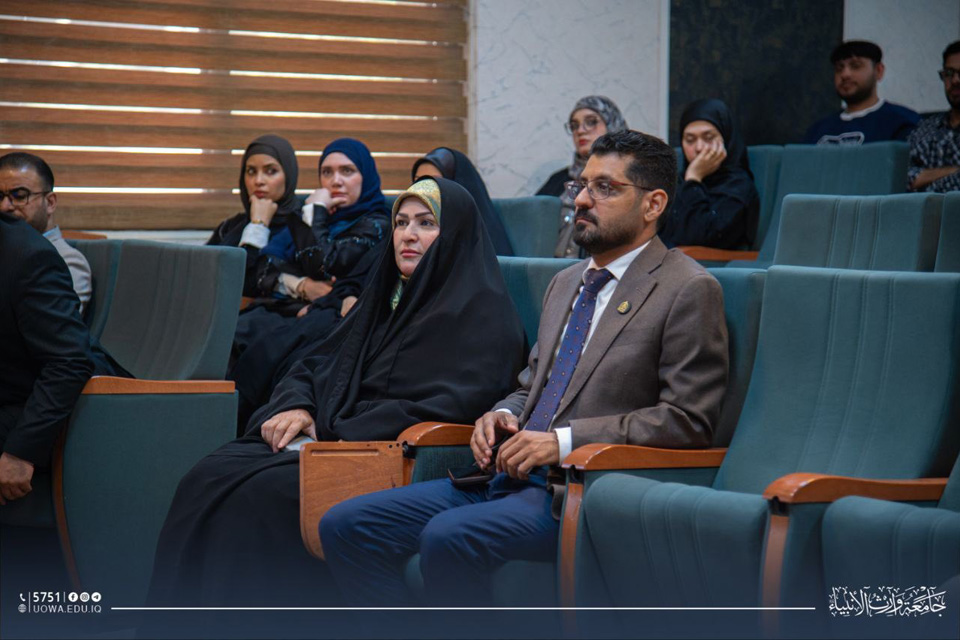
The University of Warith Al-Anbiyaa, represented by the College of Media, in cooperation with the Karbala Centre for Studies and Research, organised an academic seminar entitled “The Role of Conscious Leadership Groups in State Governance According to the Perspectives of the Religious Authority.”
The seminar examined the importance of the role played by aware leadership groups in building state institutions and promoting the principles of good governance. It also highlighted the importance of strengthening institutional awareness based on responsibility and competence, thereby contributing to social stability and supporting pathways of sustainable development.
This seminar forms part of the University’s efforts to promote purposeful academic thought and connect theoretical knowledge with practical application, in alignment with the Sustainable Development Goals (SDGs)—particularly Goal 16: Peace, Justice and Strong Institutions, through supporting the development of effective institutions characterised by efficiency and transparency. It also supports Goal 4: Quality Education by reinforcing the principles of enlightened education.
The seminar witnessed notable attendance and engagement from academic staff and students, with constructive scholarly discussions that contributed to a deeper understanding of the role of leadership groups in state governance and the achievement of sustainable development.
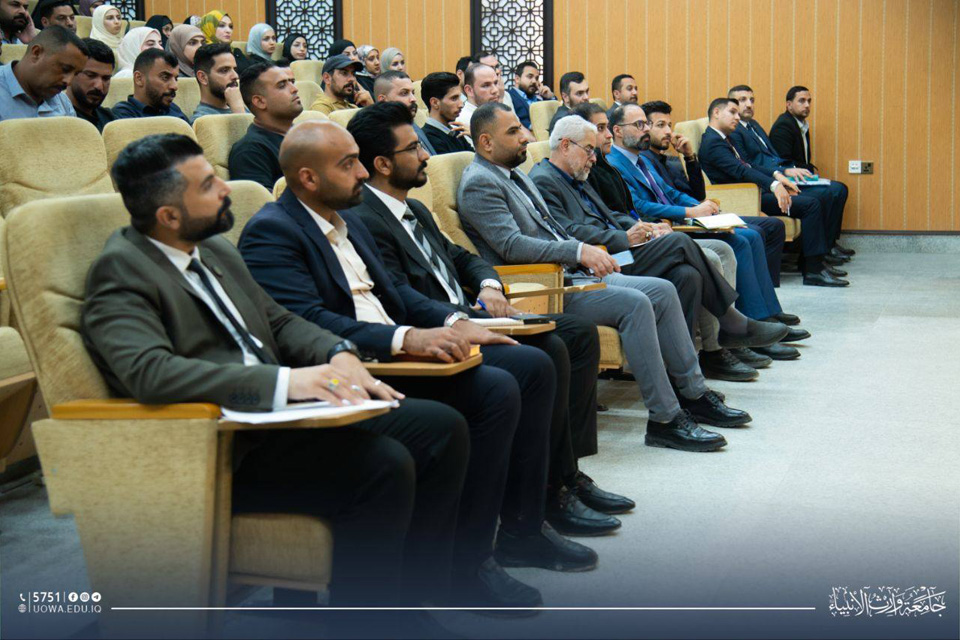
The Presidency of the University of Warith Al-Anbiyaa held a meeting with administrative staff from the University’s colleges and departments as part of its commitment to improving institutional performance, delivering the highest standard of services to students, and expediting administrative procedures.
The meeting was chaired by the Administrative Assistant, Professor Dr Nowfal Al-Araji, in the presence of the Director of the Department of Administrative and Financial Affairs, Dr Abdullah Saqr. Discussions focused on the main challenges affecting administrative work and the means of addressing them, in addition to reviewing a number of proposals submitted by employees to help remove obstacles and improve the working environment.
This meeting forms part of the University’s broader efforts to strengthen administrative efficiency and raise the quality of services provided, in alignment with the Sustainable Development Goals (SDGs)—particularly Goal 16: Peace, Justice and Strong Institutions, through building effective institutions characterised by transparency and responsiveness. It also supports Goal 4: Quality Education by enhancing both the educational and administrative environment.
The University Presidency reaffirmed its commitment to continuing initiatives that strengthen institutional work and promote effective communication between different departments, in a manner that fulfils students’ aspirations and elevates the overall standard of performance.
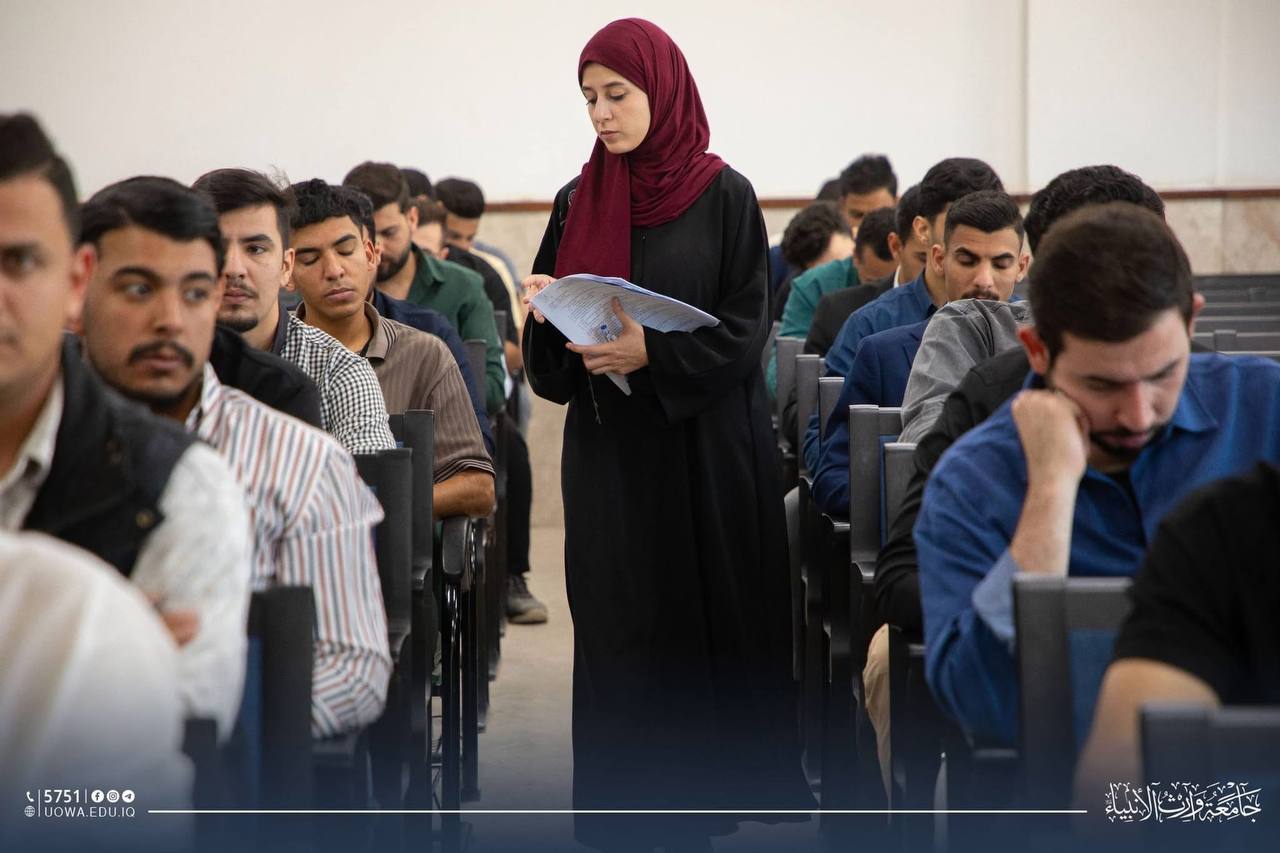
In a step that reflects the commitment to advancing higher education and strengthening academic integration, the College of Administration and Economics at the University of Warith Al-Anbiyaa organised a joint examination for second- and third-year students in the Department of Oil and Gas Economics, in cooperation with the College of Industrial Administration for Oil and Gas at the University of Basra. The examination was conducted under the direct supervision of the College Deanship and with the support of the Ministry of Higher Education and Scientific Research.
This examination forms part of the implementation of the scientific cooperation agreement between the two universities, which aims to unify academic standards across corresponding departments and raise the quality of education in petroleum-related disciplines. It also seeks to align academic outcomes with the needs of the labour market and the rapid developments taking place in the energy sector.
This initiative is consistent with the Sustainable Development Goals (SDGs), particularly Goal 4: Quality Education, through improving educational outcomes and strengthening academic competence. It also supports Goal 8: Decent Work and Economic Growth by preparing specialised graduates capable of contributing to the development of the oil industry and achieving sustainable economic growth.
This academic collaboration demonstrates the commitment of Iraqi educational institutions to adopting best scientific practices and developing their programmes in ways that enhance the competitiveness of graduates both locally and internationally, while keeping pace with transformations in the oil and gas sector.
