
With profound sorrow and grief, the Presidency of Warith Al-Anbiyaa University (peace be upon him), together with all its staff and academic members, mourns the passing of Noor Al-Huda Basim Abbas Hamza, a fourth-year student at the College of Medicine, who has passed away.
We pray to Almighty Allah to envelop her in His vast mercy, grant her a place in His spacious Paradise, and bestow patience, comfort, and strength upon her family, relatives, and fellow students during this difficult time.
“Indeed, we belong to Allah, and indeed to Him we shall return.”
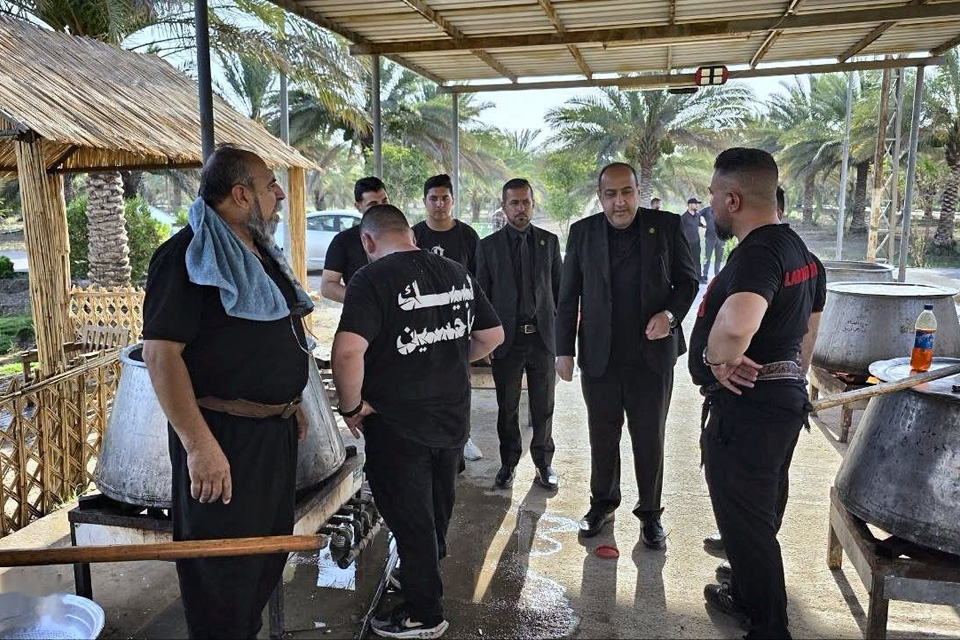
Inspired by the values of the blessed Hussaini movement and in commemoration of the holy month of Muharram, Warith Al-Anbiyaa University continues to promote a culture of solidarity, generosity, and community service, drawing on the humanitarian principles embodied by Imam Hussain (peace be upon him).
Through its activities and initiatives, the university reaffirms its commitment to combining academic excellence with ethical values, contributing to the development of responsible and socially conscious students inspired by the enduring lessons of sacrifice, reform, and service to others.
These efforts reflect the university’s mission to prepare graduates who possess both knowledge and strong moral values, in line with SDG 4 (Quality Education) and SDG 16 (Peace, Justice, and Strong Institutions) by fostering personal development, social cohesion, and volunteerism.
The Deputy Minister of Higher Education and Scientific Research for Scientific Research Affairs, Professor Haider Abd Duhad, announced that the Minister of Health, Dr Abdul Hussein Al-Mousawi, has approved a policy requiring students from private universities, colleges, and institutes to undertake their clinical training exclusively at healthcare institutions licensed by the relevant authorities.
The Deputy Minister explained that compliance with this requirement will form part of the future employment criteria for positions within the Ministry of Health. He noted that the decision is intended to ensure the quality of clinical training and to uphold recognised standards of academic and professional accreditation.
He also commended the strong coordination between the Ministry of Higher Education and Scientific Research and the Ministry of Health, emphasising that the decision will strengthen practical training, improve the quality of medical and health education outcomes, and contribute to enhancing healthcare services.
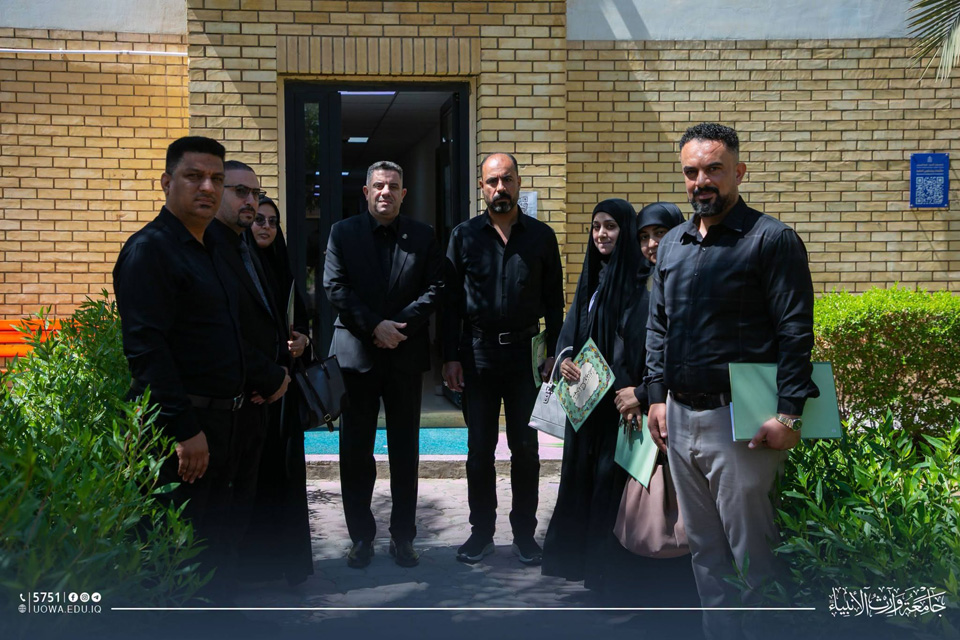
Professor Dr. Murtadha Ghanim Al-Jubouri, Dean of the College of Nursing at Warith Al-Anbiyaa University, met with a number of clinical training supervisors from the Karbala Health Directorate in recognition of their outstanding efforts in training and mentoring nursing students within healthcare institutions.
The meeting highlighted the importance of cooperation between the college and healthcare institutions in enhancing students’ practical skills and professional readiness for the healthcare sector.
The Dean praised the supervisors’ valuable role in supporting the educational and training process and contributing to the preparation of qualified nursing professionals. The event concluded with the presentation of certificates of appreciation in recognition of their dedication and continuous support of the college’s clinical training programs.
This initiative aligns with SDG 4 (Quality Education) and SDG 3 (Good Health and Well-being) by promoting high-quality practical education and supporting the development of competent healthcare professionals.
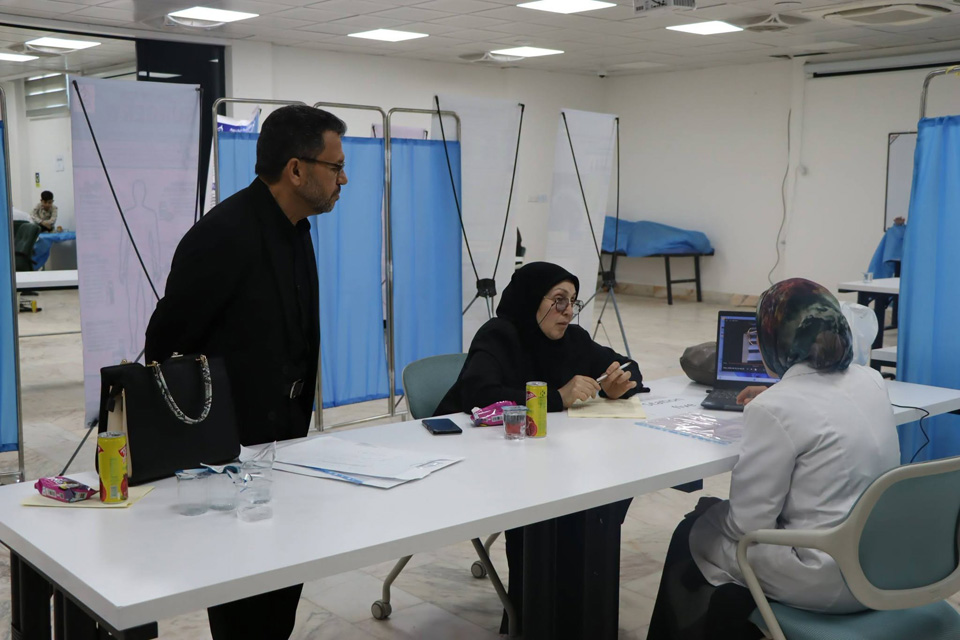
Warith Al-Anbiyaa University welcomed an external evaluation committee to review the progress of the Objective Structured Clinical Examination (OSCE) for sixth-year medical students at the College of Medicine.
During their visit, the committee assessed the examination procedures, station management, and evaluation methods to ensure compliance with approved academic standards and the delivery of a rigorous clinical assessment process.
The committee, comprising Professor Dr. Zuhair Al-Mousawi, Professor Dr. Khalid Al-Araji, Professor Dr. Abdul Kareem Al-Hassnawi, and Professor Dr. Yahya Al-Tufaili, commended the organization and implementation of the examinations.
This initiative reflects the university’s commitment to enhancing the quality of medical education and clinical skills assessment, in line with SDG 4 (Quality Education) and SDG 3 (Good Health and Well-being) through the preparation of highly qualified healthcare professionals.
The College of Medicine continues its efforts to advance medical education and clinical training in accordance with national and international standards.
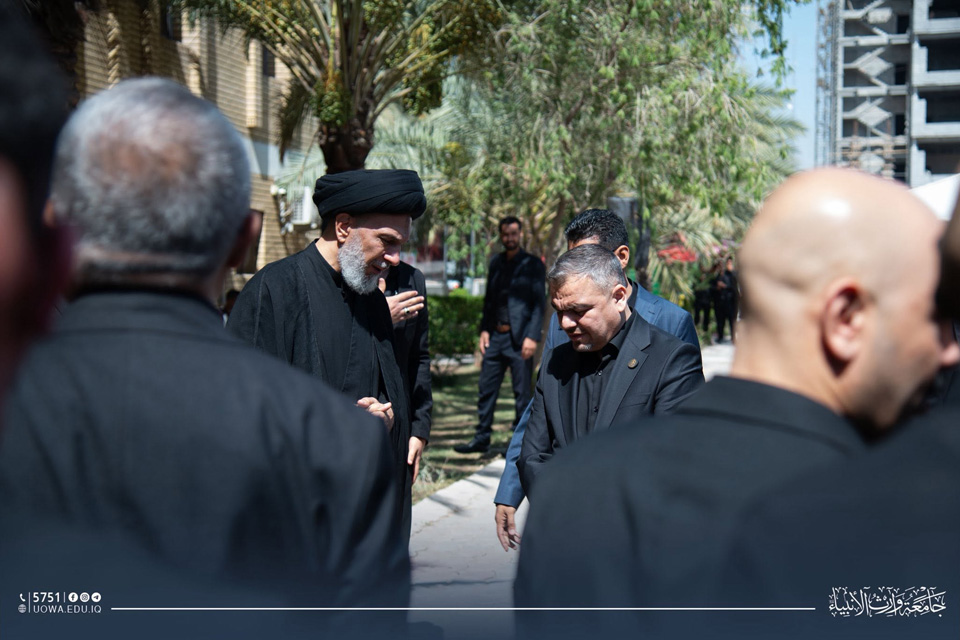
Warith Al-Anbiyaa University, in cooperation with the Youth Development and Social Rehabilitation Department of the Holy Hussaini Shrine, held a ceremony to raise the black “Ya Hussain” banner on campus, marking the beginning of Muharram and the season of mourning for Imam Hussain (peace be upon him).
The ceremony was attended by the Vice President for Scientific Affairs, Professor Dr. Waqid Al-Mousawi, college deans, faculty members, staff, and students, commemorating the martyrdom of Imam Hussain, his family, and companions in the Battle of Karbala.
The event reflected the university’s commitment to promoting ethical, cultural, and spiritual values inspired by the Hussaini movement, while strengthening students’ awareness and sense of social responsibility.
This initiative aligns with SDG 4 (Quality Education) and SDG 16 (Peace, Justice, and Strong Institutions) by fostering personal development, cultural identity, and community cohesion among students.
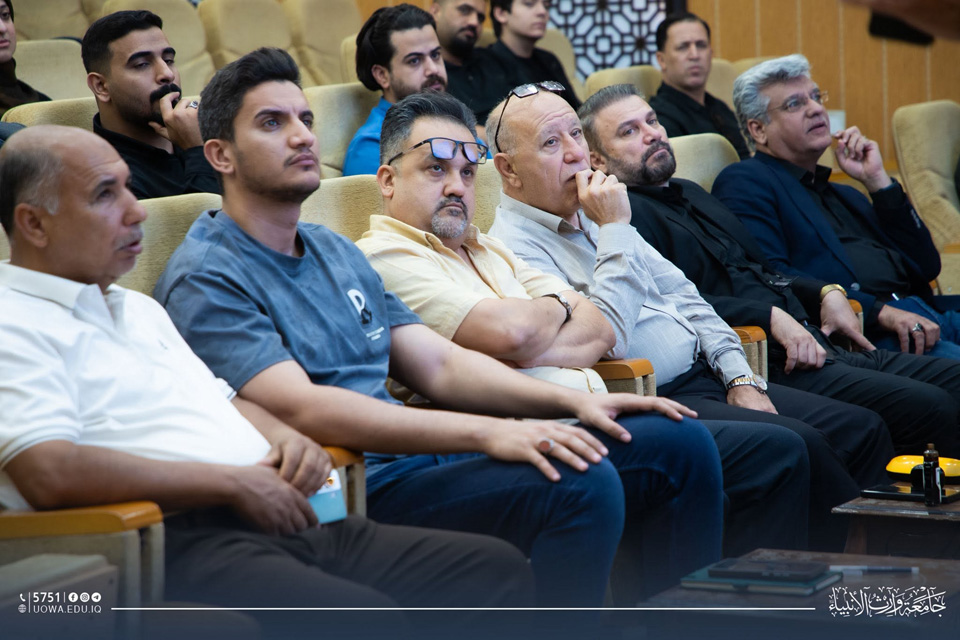
The College of Medicine at Warith Al-Anbiyaa University, in collaboration with the Ministry of Health’s Directorate of Operations and Emergency Medical Services and in coordination with the World Health Organization (WHO), organized a specialized training workshop on Mass Casualty Management.
The workshop targeted healthcare professionals from several Middle Euphrates governorates, along with medical students, and focused on enhancing emergency response readiness through training in modern field protocols, medical triage, and mass casualty incident management.
This initiative reflects the university’s commitment to advancing practical medical education and strengthening emergency healthcare capabilities, in line with SDG 3 (Good Health and Well-being) and SDG 4 (Quality Education).
The College of Medicine reaffirmed its commitment to organizing specialized training programs and strengthening partnerships with local and international healthcare institutions.
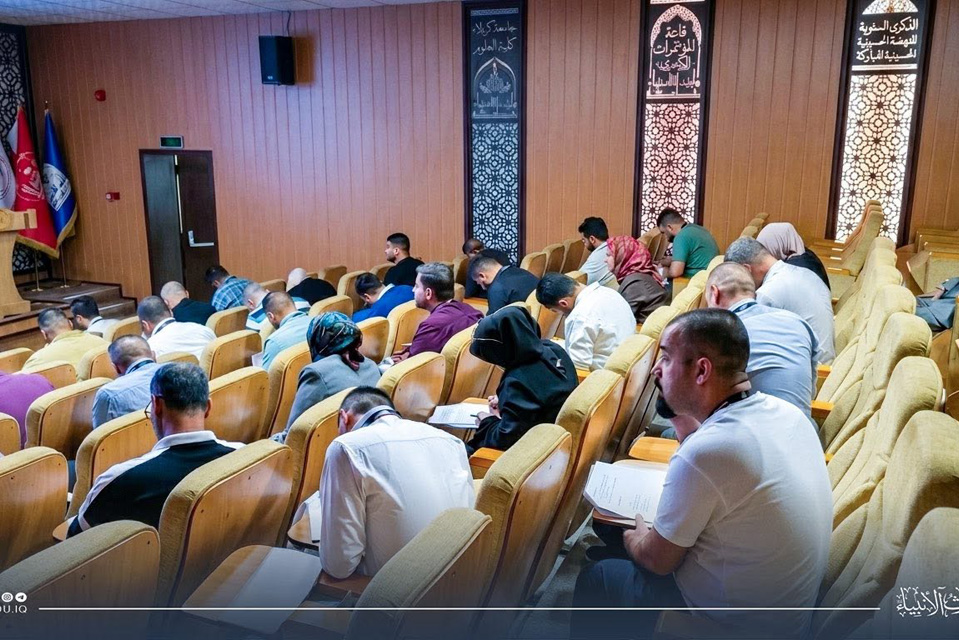
Warith Al-Anbiyaa University successfully concluded the second and final day of the Arab Board examinations in General Surgery, marking a milestone as the first event of its kind to be hosted in Karbala and at a private university in Iraq.
Held in cooperation with the National Clinical Training Center of the Holy Hussaini Shrine, the examinations brought together 50 resident doctors from across Iraq under the supervision of 14 specialized professors, including seven experts from various Arab countries.
The successful hosting of the examinations highlighted the university’s advanced educational and training capabilities and reinforced its role in supporting specialized medical education and clinical training.
This achievement aligns with SDG 4 (Quality Education) and SDG 3 (Good Health and Well-being) by promoting high-quality professional training and contributing to the development of healthcare competencies.
The university reaffirmed its commitment to supporting scientific and medical advancement and strengthening its role as a leading academic partner in preparing highly qualified healthcare professionals.
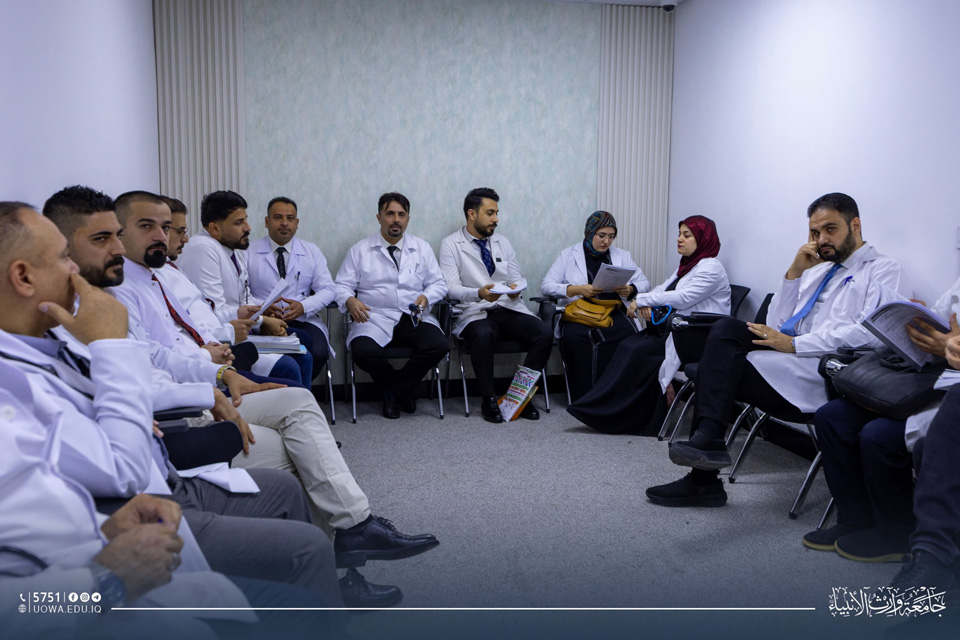
Under the patronage of Minister of Health Dr. Abdul Hussein Al-Mousawi, Warith Al-Anbiyaa University hosted the final practical examination for the Arab Board of General Surgery, marking the first time the exam has been held in Karbala and at a private university in Iraq.
Organized in cooperation with the National Clinical Training Center of the Holy Hussaini Shrine, the university provided all necessary facilities and logistical support to ensure the examination was conducted according to the highest academic and professional standards.
The exam brought together 50 resident doctors from across Iraq and was supervised by 14 specialized professors, including seven experts from various Arab countries, highlighting the university’s growing academic and medical standing.
This achievement reflects the university’s commitment to advancing specialized medical education and clinical training, in line with SDG 4 (Quality Education) and SDG 3 (Good Health and Well-being).
The event further reinforces Warith Al-Anbiyaa University’s role as a leading academic partner in preparing highly qualified medical professionals at both the national and regional levels.
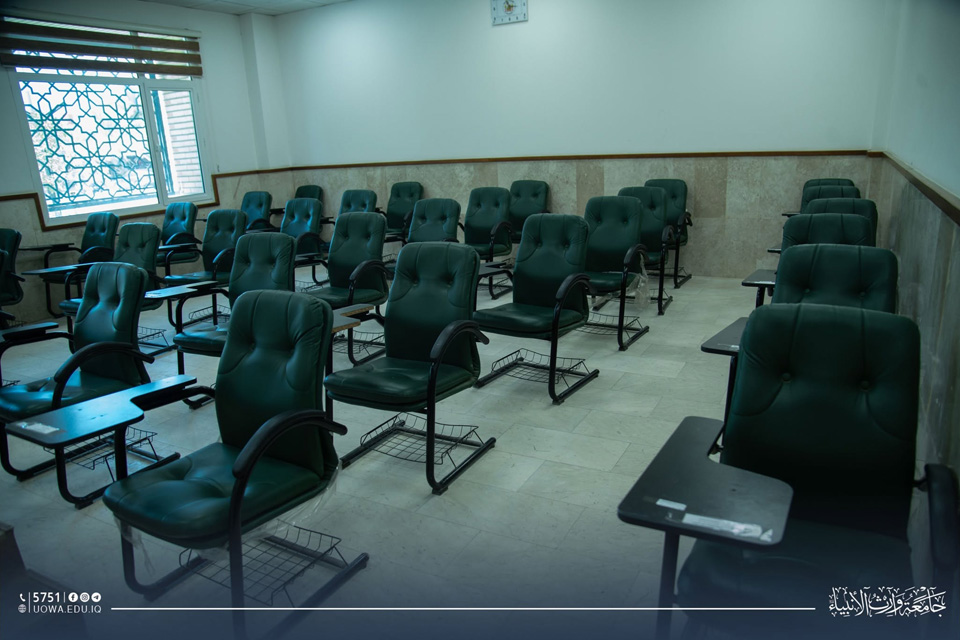
As part of its commitment to community service and educational support, Warith Al-Anbiyaa University dedicated its facilities and resources to assist in the successful administration of final examinations for secondary school students in Karbala.
The university provided examination halls and the necessary organizational support to ensure a smooth and comfortable testing environment for students.
This initiative reflects the university’s commitment to SDG 4 (Quality Education) and SDG 17 (Partnerships for the Goals) by supporting educational institutions and contributing to the advancement of education in Iraq.
The university reaffirmed its continued support for educational initiatives that serve students and strengthen the national education system.
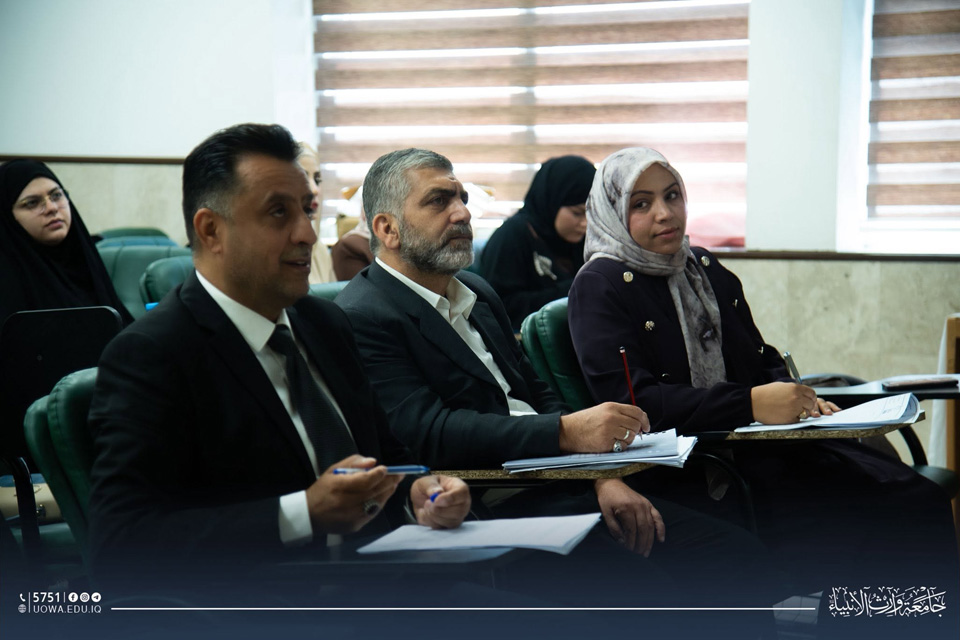
The College of Engineering at Warith Al-Anbiyaa University held discussions for students’ graduation projects, marking a significant step in their academic journey toward graduation.
Students presented a variety of engineering projects that showcased the knowledge and practical skills they acquired throughout their studies, highlighting innovative solutions to real-world challenges.
These discussions reflect the university’s commitment to promoting scientific research, applied learning, and innovation, in line with SDG 4 (Quality Education) and SDG 9 (Industry, Innovation, and Infrastructure).
The college wished its students continued success in their future academic and professional careers.
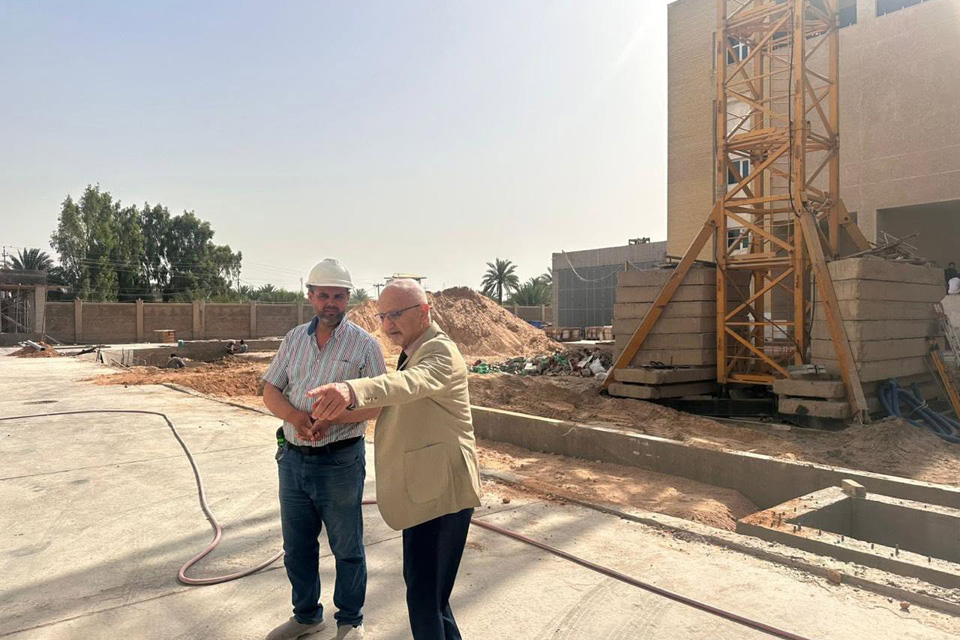
Professor Dr. Nawfal Al-Araji, Administrative Vice President of Warith Al-Anbiyaa University, conducted an inspection visit to the female student dormitory project, accompanied by engineers from the implementing company.
The visit reviewed the progress of construction work and the project's technical and service aspects to ensure completion according to approved standards. Dr. Al-Araji emphasized the importance of accelerating work in preparation for the building’s opening and the accommodation of students.
This initiative reflects the university’s commitment to enhancing its infrastructure and student services, in line with SDG 4 (Quality Education) and SDG 9 (Industry, Innovation, and Infrastructure) by providing a supportive educational environment and strengthening academic facilities.
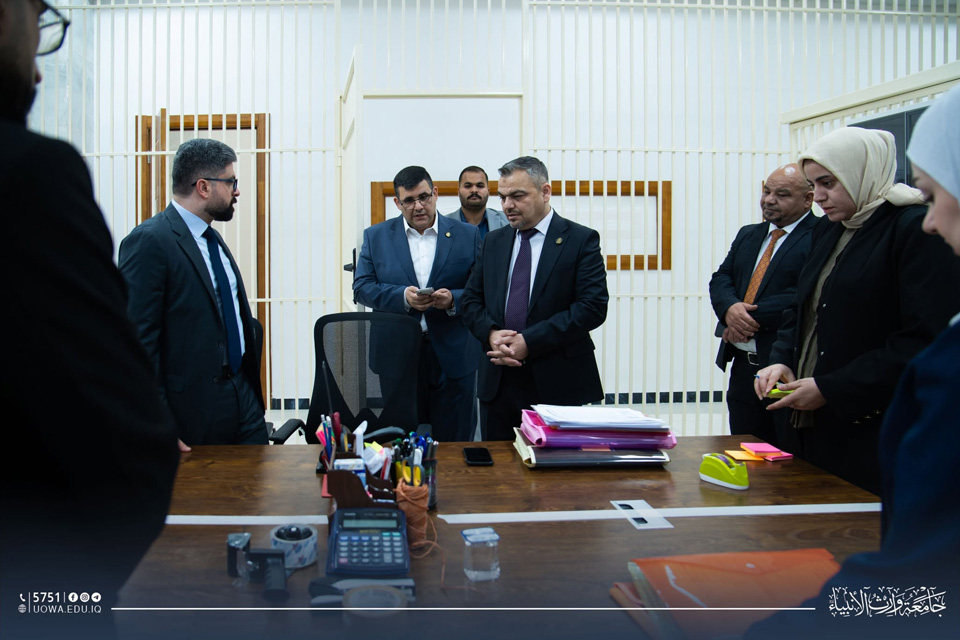
Professor Dr. Waqid Al-Mousawi, Vice President for Scientific Affairs, conducted a field visit to monitor the final examinations of students in the Colleges of Dentistry and Pharmacy at Warith Al-Anbiyaa University.
During the tour, he reviewed the examination process and emphasized the importance of providing a suitable academic environment that enables students to complete their exams smoothly and in accordance with approved academic standards.
This follow-up reflects the university’s commitment to enhancing the quality of education and assessment processes, in line with SDG 4 (Quality Education) by ensuring a supportive academic environment and promoting outstanding learning outcomes.
The university administration wishes all students continued success and excellent academic achievements.
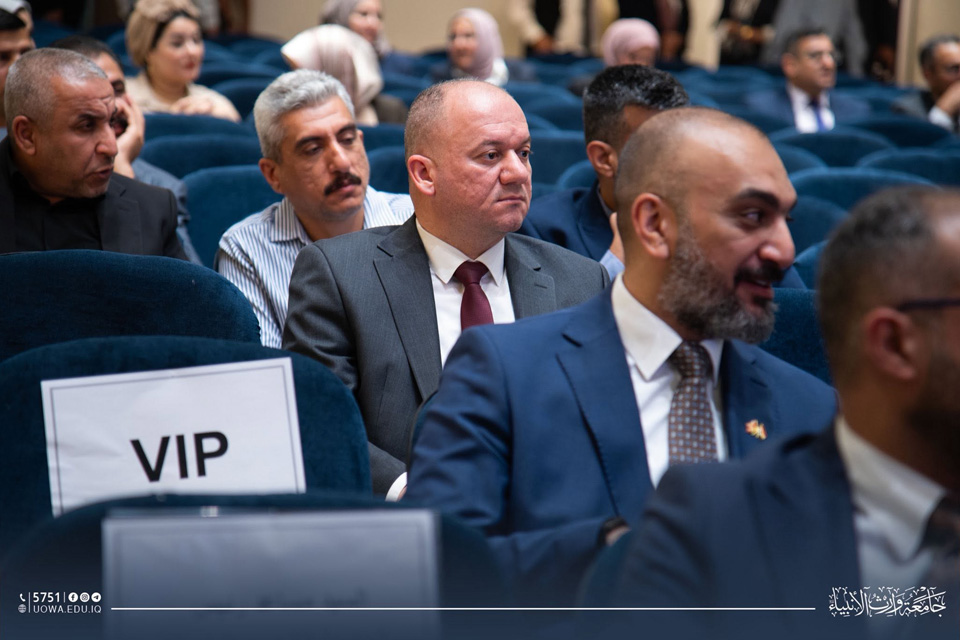
Warith Al-Anbiyaa University, represented by President Professor Dr. Ibrahim Saeed Al-Hayyawi and Vice President for Scientific Affairs Professor Dr. Waqid Al-Mousawi, participated in a workshop on the activation and operation of Science and Technology Parks hosted by the University of Technology.
The workshop explored operational models, management strategies, implementation mechanisms, and best practices in science and technology park development, highlighting their role in fostering innovation and transforming research ideas into impactful projects.
This participation reflects the university’s commitment to promoting innovation, entrepreneurship, and applied learning, in line with SDG 4 (Quality Education) and SDG 9 (Industry, Innovation, and Infrastructure).
The university reaffirmed its dedication to developing an academic environment that supports creativity, scientific research, and technological innovation.
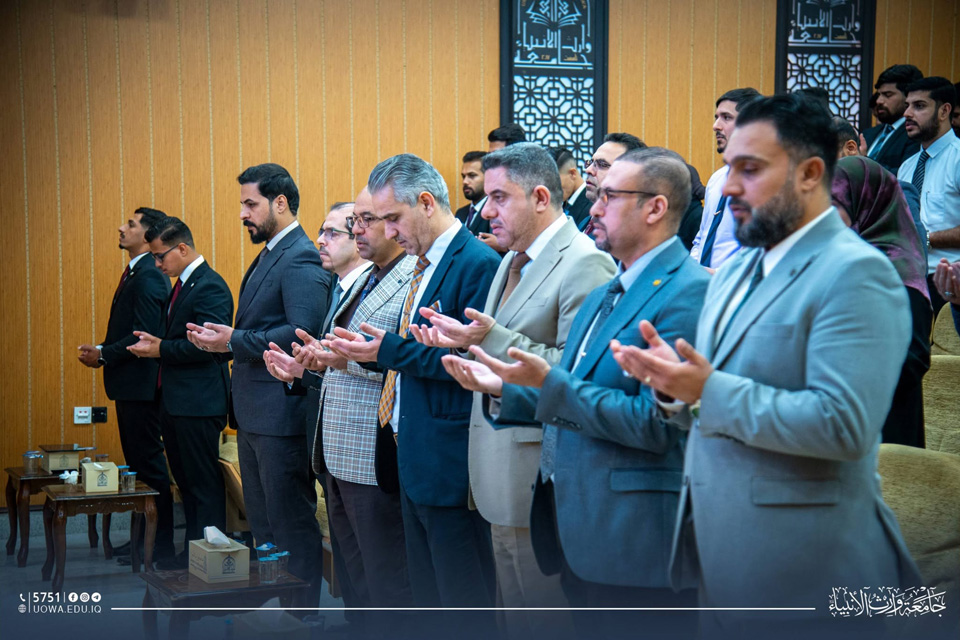
The College of Nursing at Warith Al-Anbiyaa University held its second annual conference to discuss graduation research projects of fourth-year students under the slogan “Knowledge Flows, Care Advances.”
The conference featured a range of outstanding research projects in nursing and healthcare, highlighting innovative approaches to improving healthcare services and nursing practice.
The event reflects the college’s commitment to strengthening students’ research and academic skills, in line with SDG 4 (Quality Education) and SDG 3 (Good Health and Well-being) by preparing qualified nursing professionals to meet the needs of the healthcare sector.
The college reaffirmed its dedication to supporting scientific and research activities that enhance students’ academic and professional development.
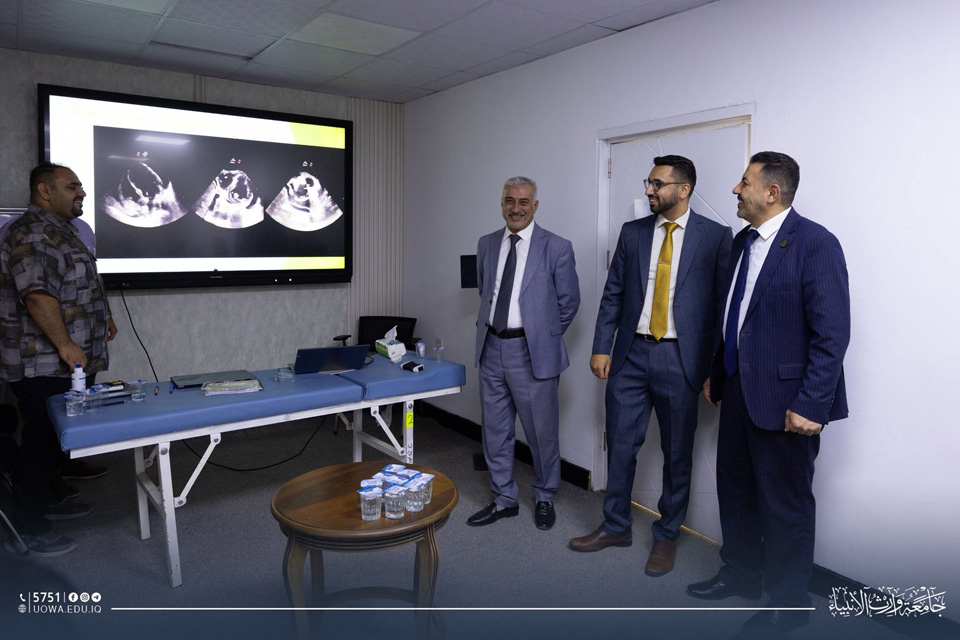
The National Center for Medical Competency Assessment at Warith Al-Anbiyaa University organized a specialized training workshop titled “Warith Hands-on POCUS Workshop”, targeting a group of physicians with the aim of enhancing their practical skills in the use of Point-of-Care Ultrasound (POCUS).
The workshop was delivered by Dr. Sayed Ali Naqvi, Dr. Ali Saad Al-Shammari, and Dr. Farand Waleed Amin. It featured both theoretical sessions and intensive hands-on training focused on the application of POCUS in rapid clinical assessment and diagnosis, contributing to improved medical practice and higher-quality healthcare services.
This workshop reflects the university’s commitment to supporting continuous medical education and advancing the clinical competencies of healthcare professionals. It aligns with Sustainable Development Goal 3 (Good Health and Well-Being) by promoting the quality of healthcare services, and Sustainable Development Goal 4 (Quality Education) through the provision of specialized medical training and professional development opportunities.
The National Center for Medical Competency Assessment reaffirmed its commitment to continuing educational and training programs that keep pace with the latest developments in the medical field and enhance the professional capabilities of healthcare personnel.
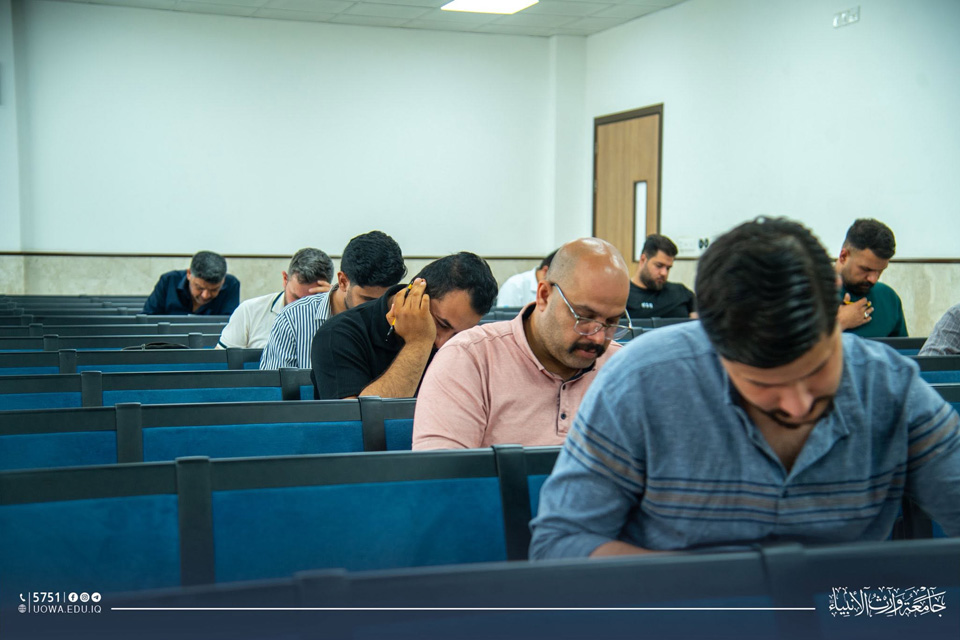
Professor Dr. Waqid Al-Mousawi, Vice President for Scientific Affairs, conducted an inspection tour to review the progress of final examinations for students across the university’s departments as the examination period nears completion.
The visit included monitoring examination halls and reviewing organizational procedures to ensure a suitable environment for students and the smooth conduct of exams.
This follow-up reflects the university’s commitment to maintaining the quality of education and assessment processes, in line with SDG 4 (Quality Education) by providing a supportive academic environment that promotes outstanding learning outcomes.
The university administration wishes all students continued success and excellent results in their academic journey.
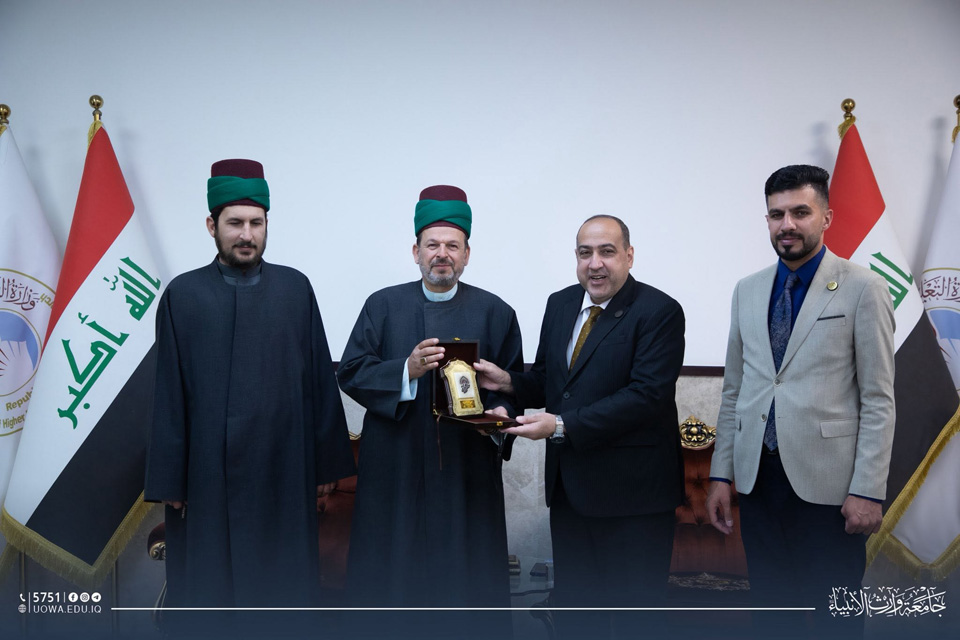
Warith Al-Anbiyaa University President, Professor Dr. Ibrahim Saeed Al-Hayawi, received a delegation from the Holy Hussaini Shrine to coordinate student participation in the Universities Students Procession commemorating the martyrdom of Imam Hussein (peace be upon him) during Muharram.
The meeting discussed cooperation mechanisms to organize student involvement in religious and cultural activities inspired by the values of the Hussaini movement and its humanitarian principles.
The initiative reflects the university’s commitment to fostering students’ spiritual, intellectual, and social development, in line with SDG 4 (Quality Education) and SDG 16 (Peace, Justice, and Strong Institutions).
The university reaffirmed its support for activities that strengthen students’ cultural identity, ethical values, and community engagement.
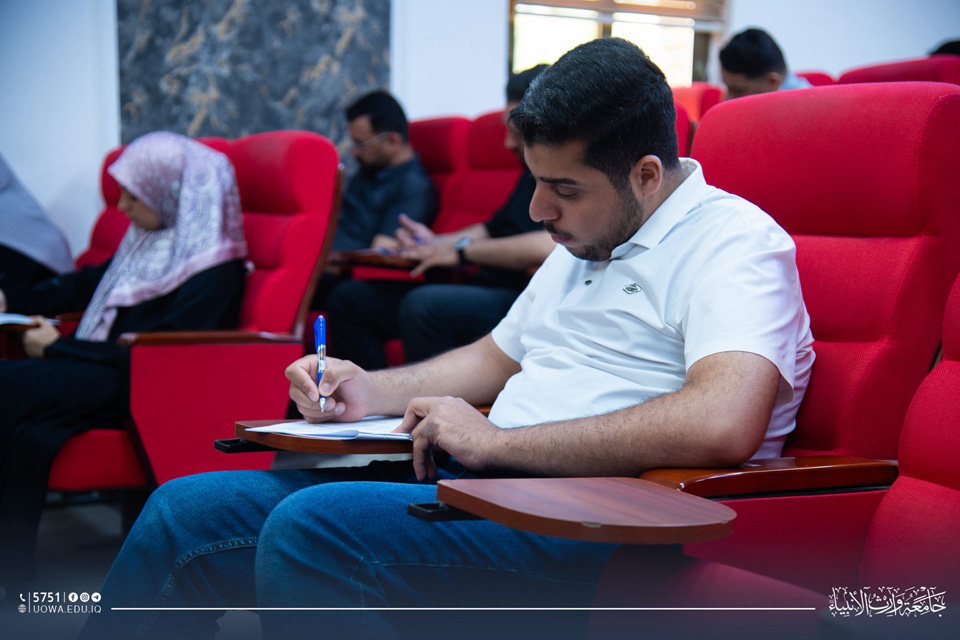
As the final examination period approaches its conclusion, students across the colleges and departments of the University of Warith Al-Anbiyaa continue to take their exams smoothly and efficiently within a well-organized academic environment.
The university remains committed to providing suitable examination conditions that support students’ focus and performance, reflecting the high level of preparation and coordination across its various colleges and departments.
These efforts align with (SDG 4: Quality Education) by fostering an effective learning environment and supporting academic excellence and educational outcomes.
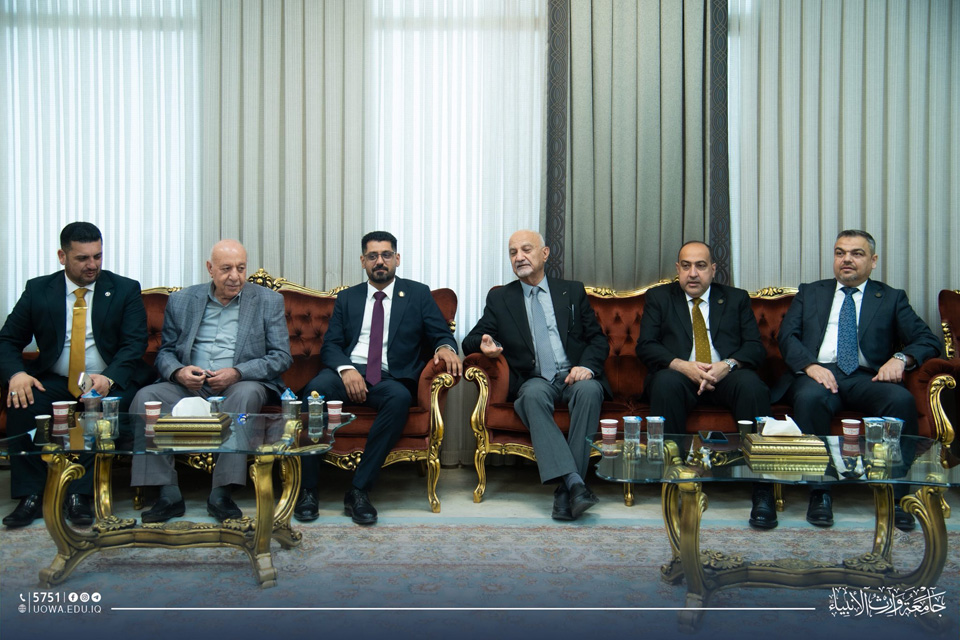
The President of the University of Warith Al-Anbiyaa, Professor Dr. Ibrahim Saeed Al-Hiyyawi, together with the Administrative Assistant, Professor Dr. Nawfal Al-Araji, and the Scientific Assistant, Professor Dr. Waqid Al-Mousawi, received deans, department heads, and faculty members who extended their congratulations on the occasion of Eid Al-Adha.
The gathering was marked by a spirit of unity and mutual appreciation, reflecting the strong bonds among members of the university community and reinforcing values of cooperation and institutional belonging.
The University President expressed his heartfelt wishes for continued peace, prosperity, and blessings for Iraq and the Islamic world.
This occasion highlights the university’s commitment to strengthening communication and solidarity among its members, in line with Sustainable Development Goal 16: Peace, Justice and Strong Institutions.
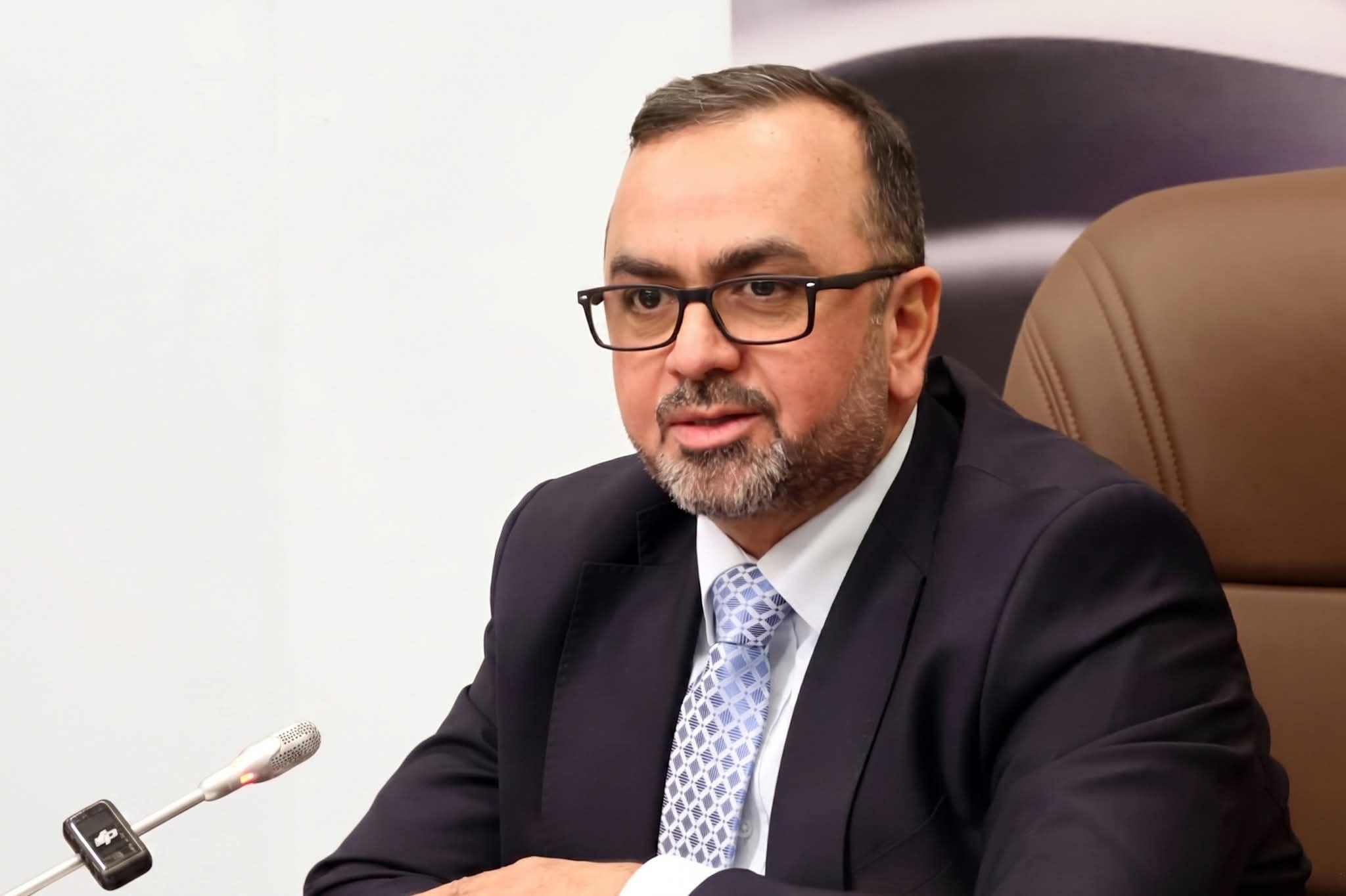
The Minister of Higher Education and Scientific Research welcomed the Council of Ministers’ decision to resume the scholarship program for talented students to study at leading international universities.
The minister emphasized that the program plays a vital role in developing human capital, supporting student aspirations, and aligning educational outcomes with Iraq’s National Education Strategy (2024–2030).
He also directed the relevant departments to begin preparations for the second edition of the program for the 2026–2027 academic year, building on the success of the first edition, which provided talented students with high-quality study opportunities in disciplines that support national development priorities.
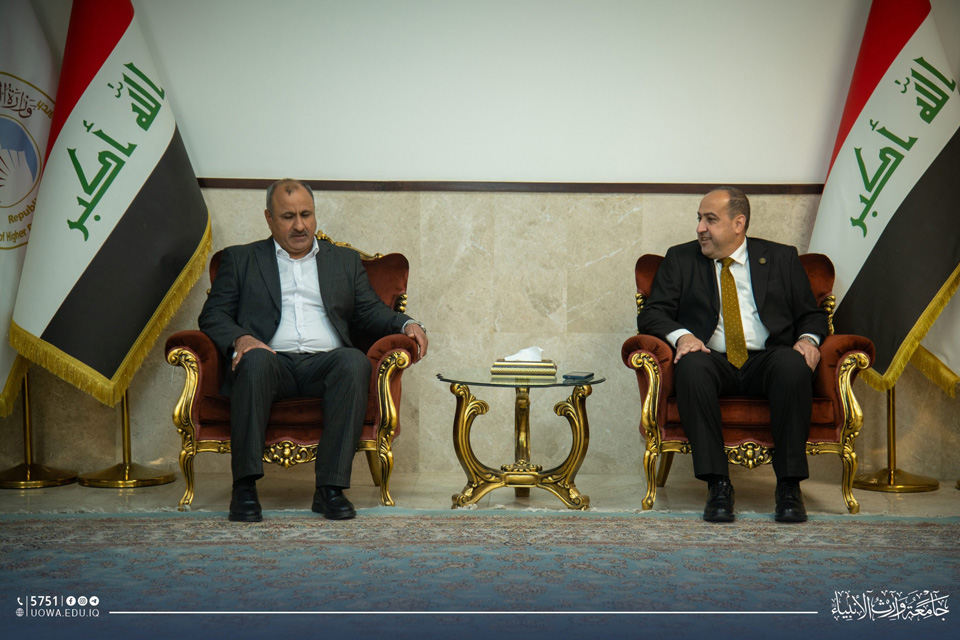
The President of the University of Warith Al-Anbiyaa, Professor Ibrahim Saeed Al-Hayyawi, received the President of the University of Misan, Professor Adel Mani, to discuss prospects for academic and scientific cooperation between the two universities and to strengthen joint educational and research partnerships.
The visit included the signing of a cooperation agreement covering scientific and research fields, as well as the exchange of academic expertise. It also featured a tour of the University’s facilities, including classrooms, modern laboratories, and the educational resources available.
This step forms part of broader efforts to strengthen cooperation among academic institutions in alignment with Sustainable Development Goal 4 (Quality Education) through the advancement of the educational and research environment. It also contributes to fostering effective partnerships for sustainable development in accordance with Sustainable Development Goal 17 (Partnerships for the Goals).
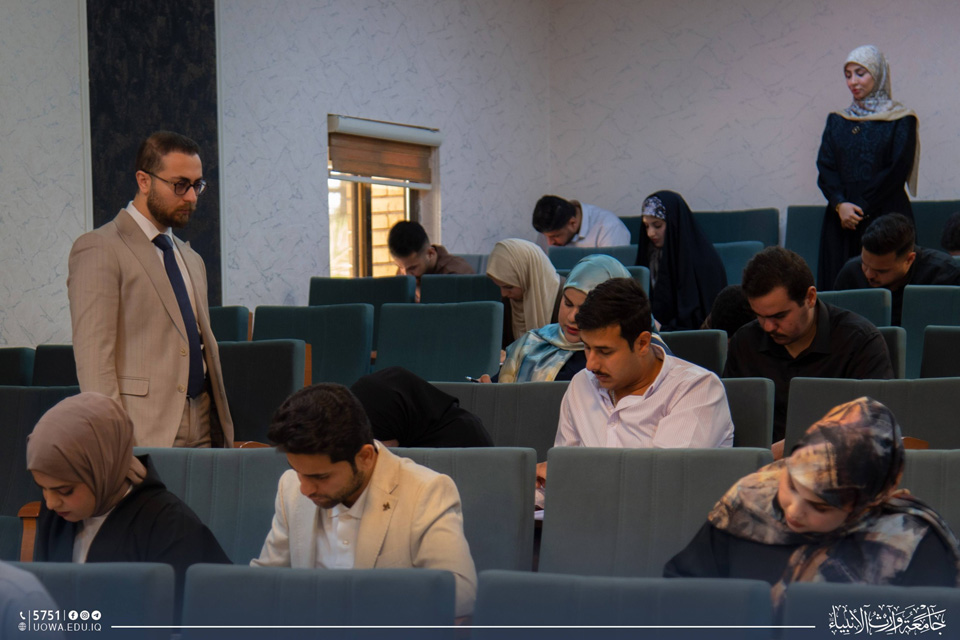
As part of the ongoing monitoring of the examination process, the Vice President for Scientific Affairs at the University of Warith Al-Anbiyaa, Professor Waqed Al-Moussawi, conducted an inspection tour to review the progress of final examinations across a number of the University’s colleges and departments. This initiative reflects the University’s commitment to ensuring the smooth administration of examinations and providing an appropriate environment for students.
The tour included visits to examination halls and a review of the approved organisational procedures, alongside an emphasis on the importance of adhering to examination regulations and instructions in a manner that supports the efficient conduct of examinations and provides an atmosphere conducive to enabling students to undertake their examinations with confidence and competence.
This follow-up forms part of the University’s broader efforts to enhance the quality of the educational process and advance the standard of academic services, in alignment with Sustainable Development Goal 4 (Quality Education) through the provision of a supportive and motivating educational environment. It also contributes to strengthening the efficiency of educational institutions in accordance with Sustainable Development Goal 16 (Peace, Justice and Strong Institutions).
The University further affirmed its continued commitment to monitoring various academic and organisational aspects in a manner that contributes to providing a comprehensive university environment that supports student success and academic excellence.
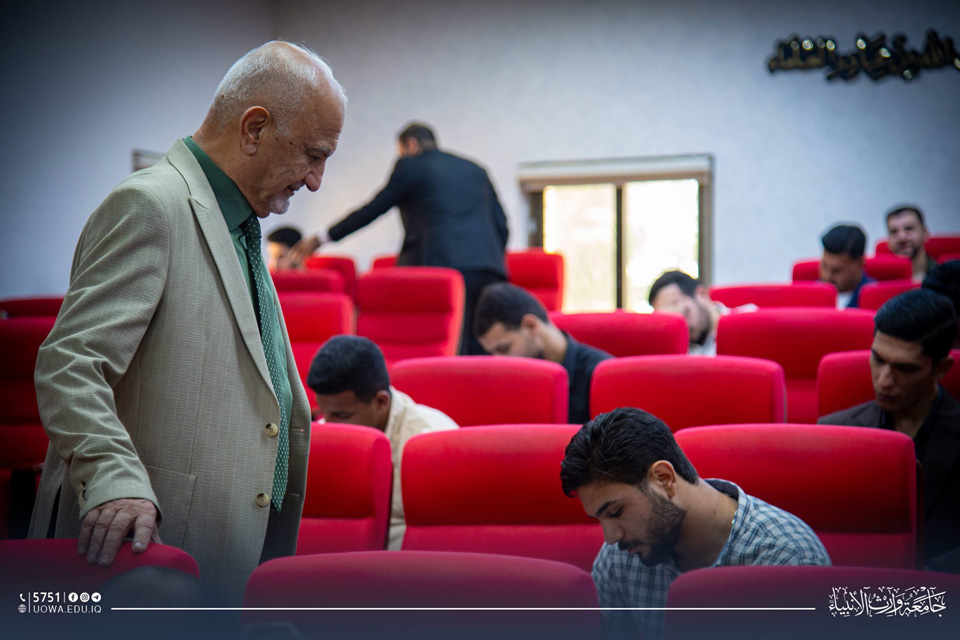
In an atmosphere characterised by organisation and smooth administration, the Assistant President for Administrative Affairs at the University of Warith Al-Anbiyaa, Professor Nowfal Al-Araji, conducted a field inspection to monitor the progress of the final examinations and ministerial standardised examinations, as part of the University’s commitment to providing a comprehensive examination environment that supports student success.
The tour included reviewing the mechanisms adopted for organising the examination process within the halls, in addition to monitoring the procedures implemented for safeguarding students’ belongings and securing their personal items, thereby contributing to the provision of a comfortable and secure environment that enables students to undertake their examinations with focus and ease.
This follow-up forms part of the University’s broader efforts to enhance the quality of educational and administrative services and to implement best organisational practices, in alignment with Sustainable Development Goal 4 (Quality Education) through the provision of a supportive and motivating educational environment. It also contributes to strengthening institutional efficiency and service quality in accordance with Sustainable Development Goal 16 (Peace, Justice and Strong Institutions).
The University further affirmed its continued commitment to providing an organised and secure examination environment that supports students and contributes to achieving the highest standards of academic performance.
