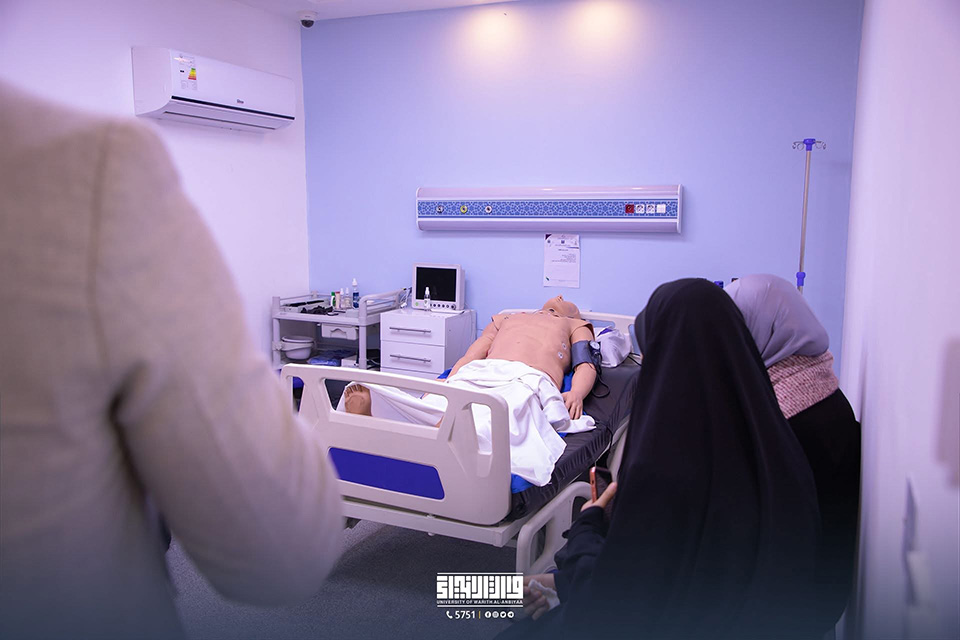
The University of Warith Al-Anbiyaa (PBUH) welcomed a group of fifth-grade students from the High School for Outstanding Students as part of a scientific field trip aimed at strengthening ties between educational institutions and familiarizing students with university life.
The visit included a tour of the university’s colleges and scientific laboratories, where the students explored the various academic disciplines and study programmes offered by the university. They also received a detailed explanation about university education prospects and the academic and professional development opportunities available to students.
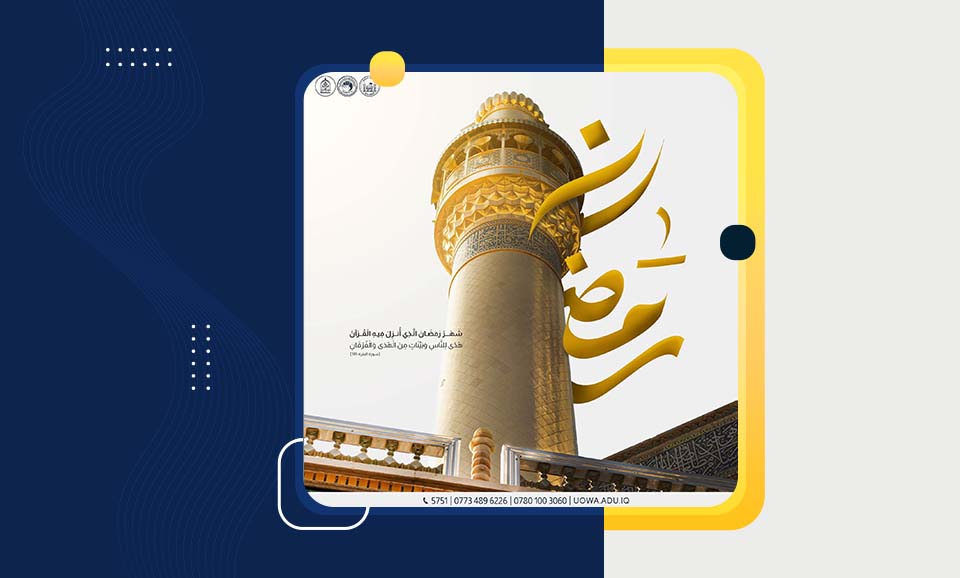
The Messenger of Allah (PBUH) said in welcoming the holy month of Ramadan:
"Ask Allah, your Lord, with sincere intentions and pure hearts to grant you success in fasting and reciting His Book, for the unfortunate one is he who is deprived of Allah's forgiveness in this great month. Remember with your hunger and thirst the hunger and thirst of the Day of Judgment, give charity to your poor and needy, honour your elders, and show mercy to your young ones."
(Virtues of Imam Ali (PBUH); p. 133)
On this occasion, the University of Warith Al-Anbiyaa (PBUH) extends its heartfelt congratulations to the Master, the Imam of the Age (may Allah hasten his reappearance), the esteemed religious authorities, and all believers on the arrival of the holy month of Ramadan. May Allah bring it upon all with goodness, blessings, and forgiveness, by the blessing of prayers upon Muhammad and his holy progeny.
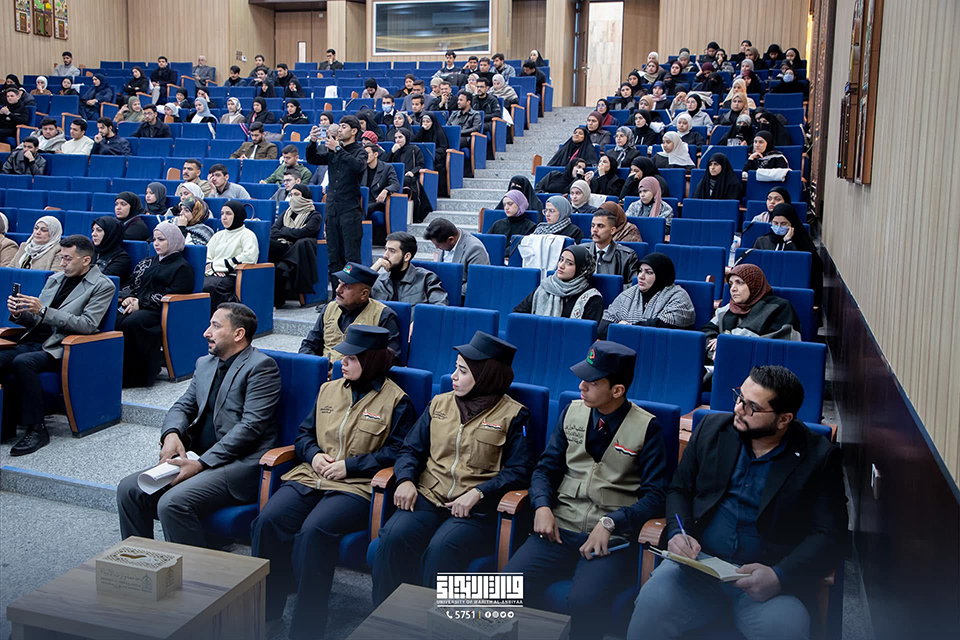
The University of Warith Al-Anbiyaa (PBUH), in collaboration with the High Commission for Human Rights—Karbala Office, organized a scientific symposium titled "Intellectual Immunisation Against Terrorism and Violent Extremism."
The symposium featured lectures by Dr. Sabah Al-Jubouri, Majid Ouda Al-Masoudi, and Nawras Adnan, who presented scientific and analytical insights into the dangers of extremist ideologies, the importance of intellectual and legal awareness in curbing violent extremism, and strategies to strengthen intellectual security within society.
This symposium is part of the university's ongoing series of scientific activities, reflecting its social responsibility to spread awareness and combat all forms of extremism.
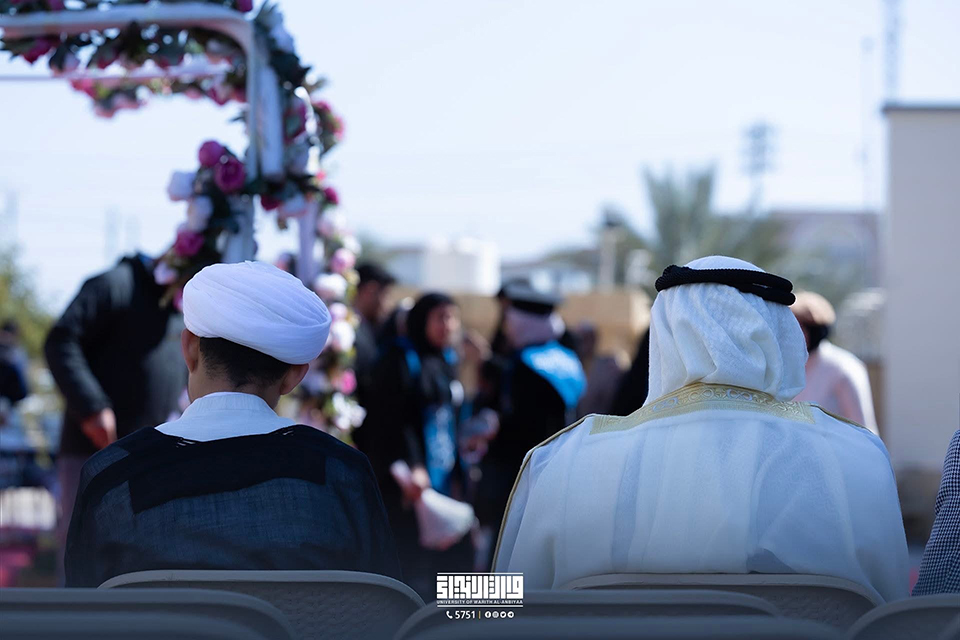
In an atmosphere filled with joy and pride, the College of Law, the College of Administration and Economics (Departments of Accounting and Business Administration), and the College of Nursing at the University of Warith Al-Anbiyaa organized a graduation ceremony for the Class of 2024-2025.
The event was attended by the deans of the colleges and members of the academic staff, celebrating moments of pride and happiness. It marked a significant milestone in the students' journeys, reflecting their hard work and dedication in achieving this accomplishment as they step forward into a promising and honourable future.
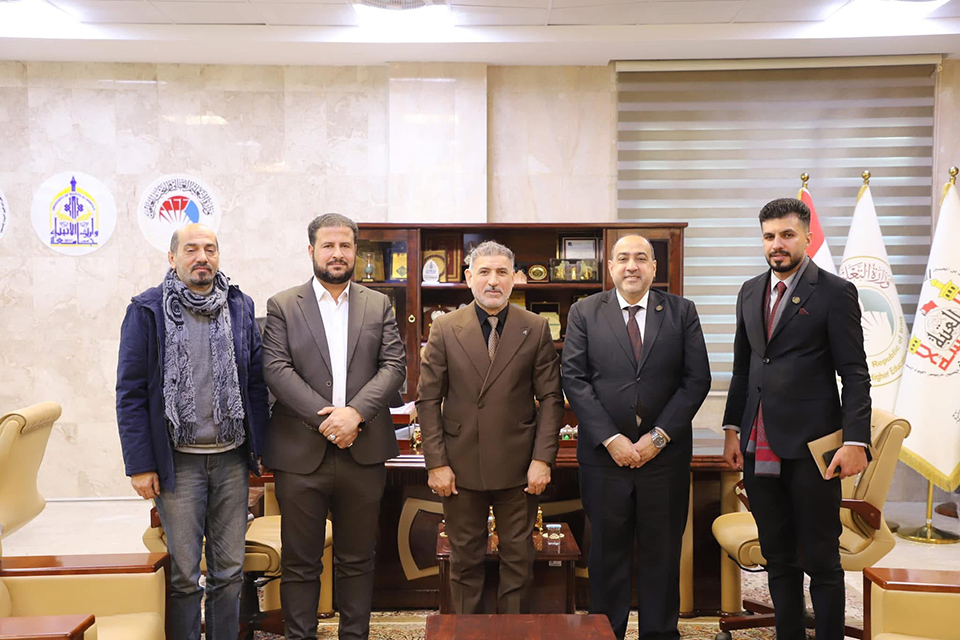
The President of the University of Warith Al-Anbiyaa (PBUH), Prof. Dr. Ibrahim Al-Hayawi, welcomed a delegation from the Iraqi Journalists Syndicate—Karbala Branch, led by Mr. Hussein Al-Shammari.
The meeting focused on exploring ways to strengthen cooperation between the university and the syndicate, as well as exchanging ideas to develop relations in both academic and media fields. Both parties agreed to organize joint activities aimed at raising media awareness and enhancing journalistic skills, serving the local community, and promoting professional media practices in the province.
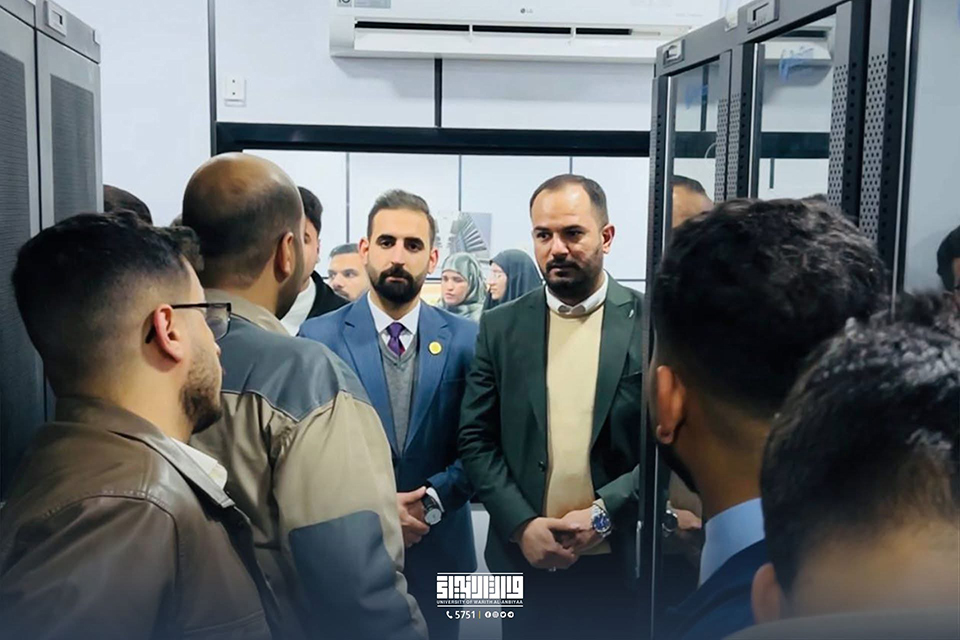
The Information Technology (IT) Department at the College of Science, the University of Warith Al-Anbiyaa (PBUH), organized a scientific field trip to the Data Centre at Al-Kafeel University. The students explored the latest technologies used in data management and storage, as well as advanced security systems and digital infrastructure.
This visit is part of the university’s ongoing efforts to enhance practical education and equip students with hands-on experience, preparing them to enter the job market in the field of information technology.
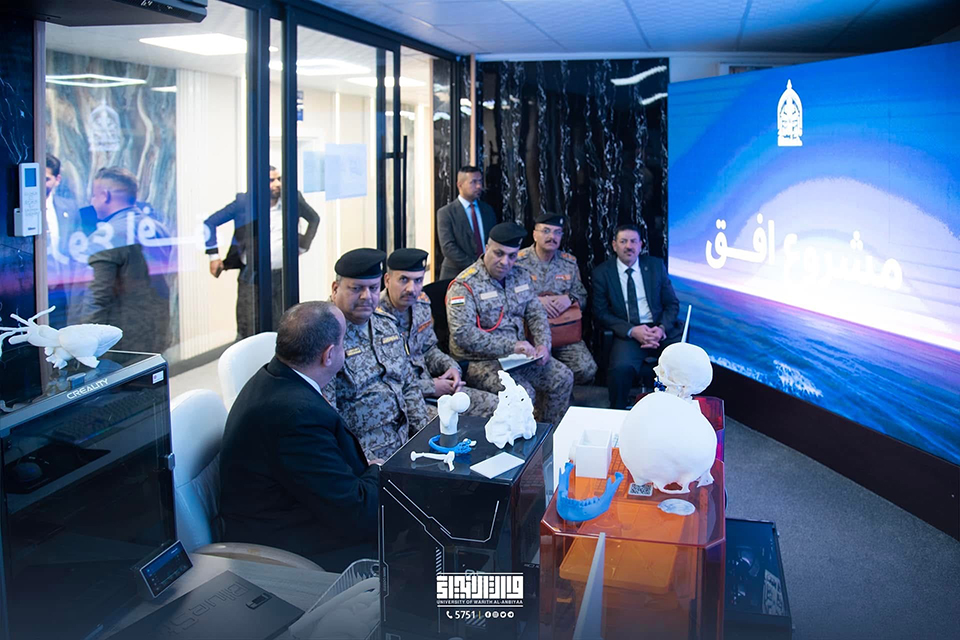
The President of the University of Warith Al-Anbiyaa (PBUH), Prof. Dr. Ibrahim Al-Hayawi, received Major General Dr. Qaisar Abdul-Razzaq, Director of Medical Rehabilitation and Wounded Care at the Ministry of Defence, to discuss prospects for scientific cooperation between the university and the Ministry.
The meeting focused on ways to collaborate in the fields of medical rehabilitation and wounded care, emphasizing the development of joint educational and training programmes aimed at strengthening medical capabilities in Iraq.
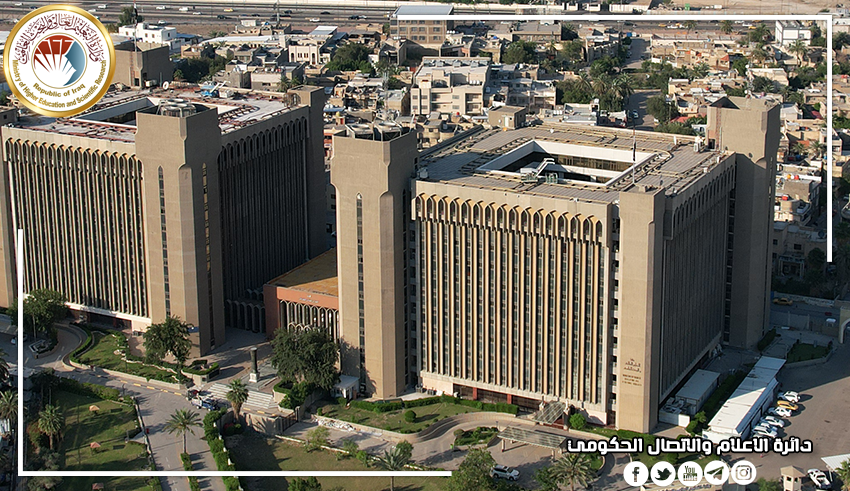
The Ministry of Higher Education and Scientific Research announces the availability of scholarships offered by Comsats University Islamabad in Pakistan. According to the Department of Scholarships and Cultural Relations, these scholarships are available for bachelor's, master's, and doctoral degrees. The deadline for applications is June 30, 2025.
Fields of Study and Application Requirements: [Click here]
Donor Institution's Link: [Click here]
Department of Scholarships and Cultural Relations Portal: [Click here]
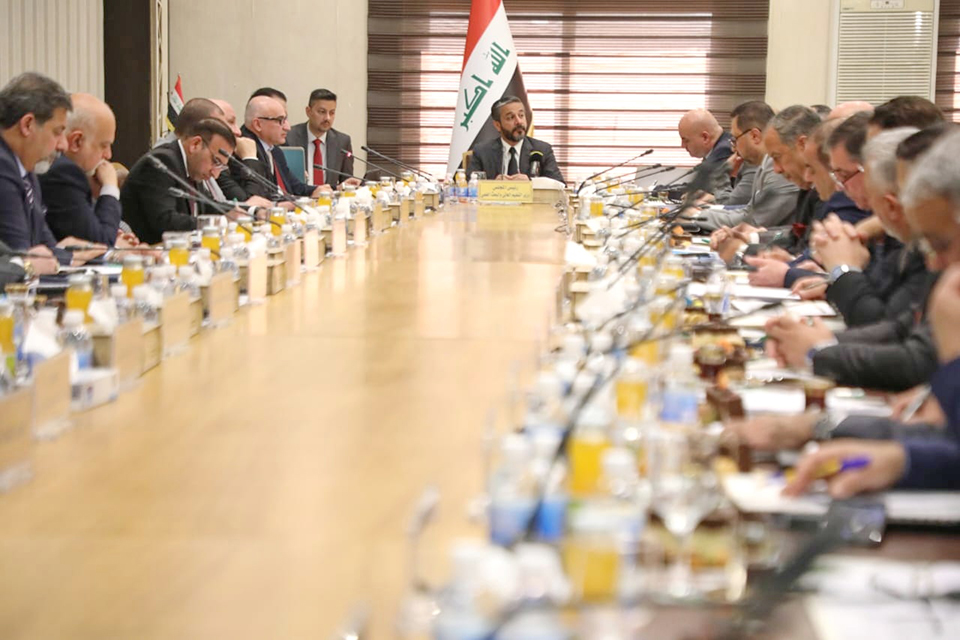
The Minister of Higher Education and Scientific Research, Dr. Naeem Al-Aboudi, chaired the second meeting of the Opinion Committee for 2025, attended by senior officials and presidents of public universities.
At the outset of the meeting, the Minister emphasized the Ministry's unwavering commitment to its scientific and service-oriented role in supporting students, providing assistance, and fostering leadership opportunities.
He stressed the importance of upholding authentic academic values and preserving university traditions during academic events to strengthen the standing of educational institutions as inspiring models in fulfilling their mission and developmental goals.
Dr. Al-Aboudi reaffirmed the necessity of working within the granted authorities, facilitating procedures in accordance with legal requirements, and streamlining efforts to serve the public interest in light of the Ministry's comprehensive digital transformation and process automation.
The Opinion Committee members discussed the items on the agenda and voted on the following decisions:
Public and private universities, colleges, and institutes are to upload and update student, faculty, and curriculum data into the Ministry's central systems (SIS, LMS, and HRMS) as part of the ongoing automation project launched by the Prime Minister.
Adoption of a specialized form for discussing higher diploma projects in medical fields.
Raising the minimum score for faculty performance evaluations to 75% for the 2024/2025 academic year.
Approval to allow the addition of PhD holders with the rank of lecturer who possess experience and competence to the scientific committees within departments in the absence of senior academic ranks.
Endorsement of the draft law for the Institute of Urban and Regional Planning for Postgraduate Studies.
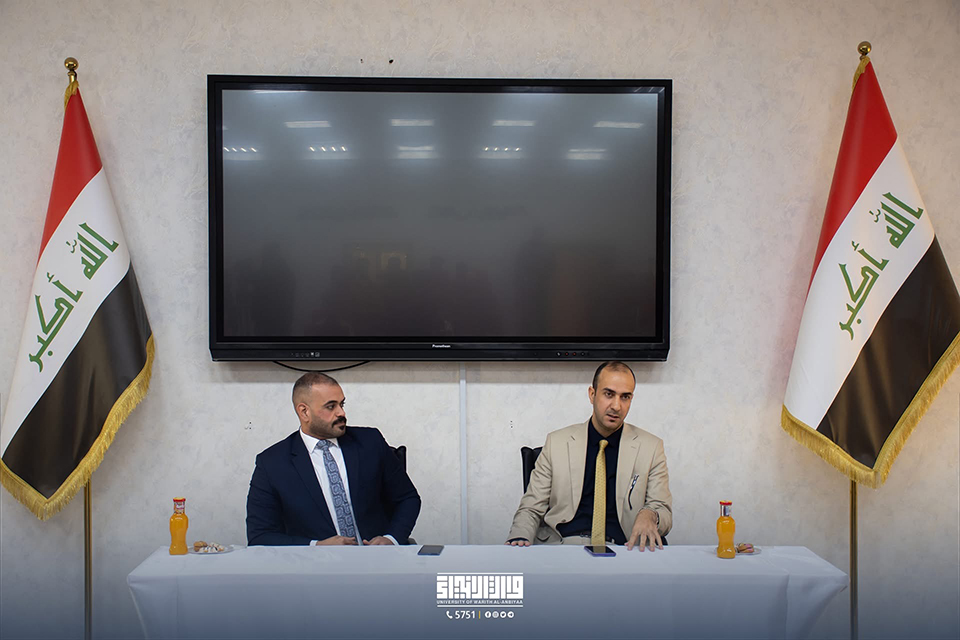
The College of Law at the University of Warith Al-Anbiyaa (PBUH), in partnership with the College of Media’s Digital Media Department, convened a scientific symposium titled:
"The Mechanism of Lawmaking: General Amnesty, Personal Status, and Cybercrime Laws."
The symposium gathered an esteemed panel of professors specializing in both media and law.
The discussions focused on the legislative processes involved in enacting laws, examining the legal and media dimensions of legislation concerning general amnesty, personal status, and cybercrimes. The event also emphasized the pivotal role of digital media in fostering public awareness of legal matters.
This symposium is part of the university’s ongoing series of scientific initiatives aimed at advancing legal and media literacy among students and the academic community.
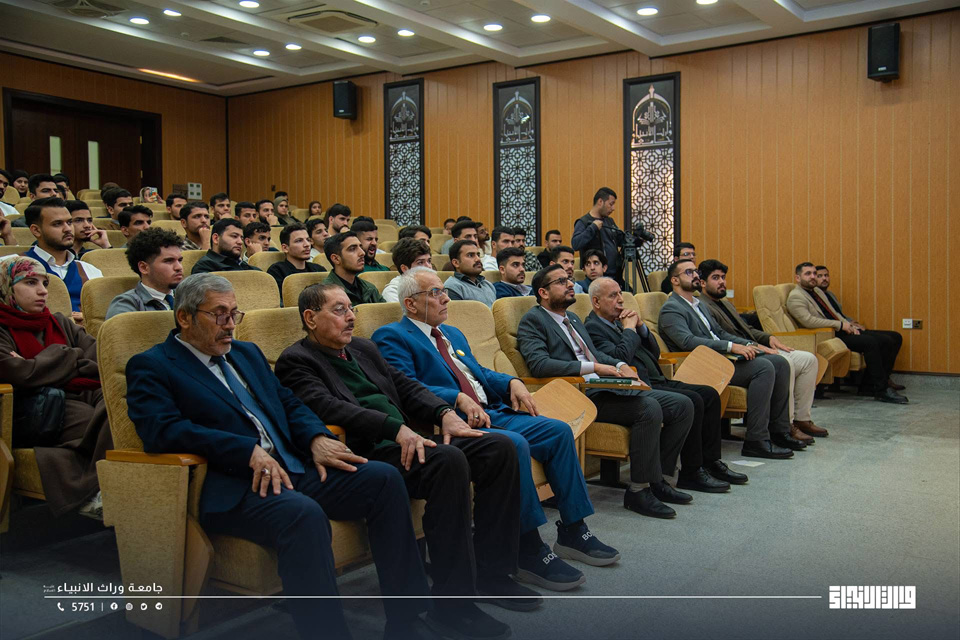
The University of Warith Al-Anbiyaa organised a specialised scientific seminar entitled “Oil and Gas Between the Challenges of Global Warming and Sustainability Requirements”, examining the future of the energy sector in light of global climate challenges and the accelerating transition towards more sustainable energy systems.
The seminar was delivered by Dr Amer Al-Wazzan from Dragon Oil, who presented scientific perspectives on carbon emissions reduction strategies and emphasised the role of technological innovation in advancing the oil and gas industry in line with environmental sustainability requirements and the global energy transition.
This event reaffirms the University’s commitment to promoting scientific awareness of energy and environmental issues, and to supporting research and academic dialogue on the transition towards a low-carbon economy. It aligns with the United Nations Sustainable Development Goals, particularly Goal 7: Affordable and Clean Energy—through encouraging innovation in the energy sector—and Goal 13: Climate Action—by strengthening scientific awareness of environmental challenges and measures to mitigate the impacts of climate change.
As part of its commitment to sustainable campus development and environmental responsibility, the University of Warith Al-Anbiyaa continues to enhance energy efficiency across its academic, administrative, and student facilities through the adoption of smart and energy-efficient technologies.
The university has implemented a comprehensive energy-efficiency strategy focused on reducing electricity consumption and supporting sustainable campus management practices. Based on the university’s 2025 operational data, the total annual electricity consumption from non-solar sources is approximately 200,000 kWh/year, serving a campus population of approximately 10,195 students and staff members.
One of the university’s major initiatives includes the widespread deployment of LED lighting systems across campus buildings, classrooms, laboratories, outdoor spaces, and administrative facilities. More than 2,100 LED lighting units are currently in use, replacing conventional lighting systems with low-energy alternatives that provide longer operational lifespans and reduced electricity demand. Motion-sensor lighting systems have also been introduced in selected areas to minimise unnecessary electricity usage and improve energy efficiency.
The university continues to modernize its cooling infrastructure through the gradual replacement of conventional air conditioning systems with inverter-based energy-efficient units. In addition, campus fans are all high-efficiency low-energy models.
As part of its smart campus initiatives, the university has upgraded its IT infrastructure with energy-saving computers, LED monitors, and office equipment equipped with automatic standby and sleep-mode technologies. Energy-efficient technologies are also being integrated into newly constructed campus buildings through the use of thermal-insulated materials, smart electrical controls, natural lighting optimisation, and sustainable infrastructure planning designed to reduce long-term energy consumption.
In addition, the university has installed solar-powered charging stations (“solar trees”) across campus to support renewable energy use and provide sustainable charging solutions for mobile devices and laptops.
These initiatives support SDG 7 through improved energy efficiency and renewable-energy adoption, SDG 11 through sustainable campus infrastructure, SDG 12 through responsible energy consumption practices, and SDG 13 through efforts to reduce environmental impact and support climate-action initiatives.
Through these efforts, the University of Warith Al-Anbiyaa continues to strengthen sustainable energy management and develop a modern, environmentally responsible campus aligned with international sustainability standards.
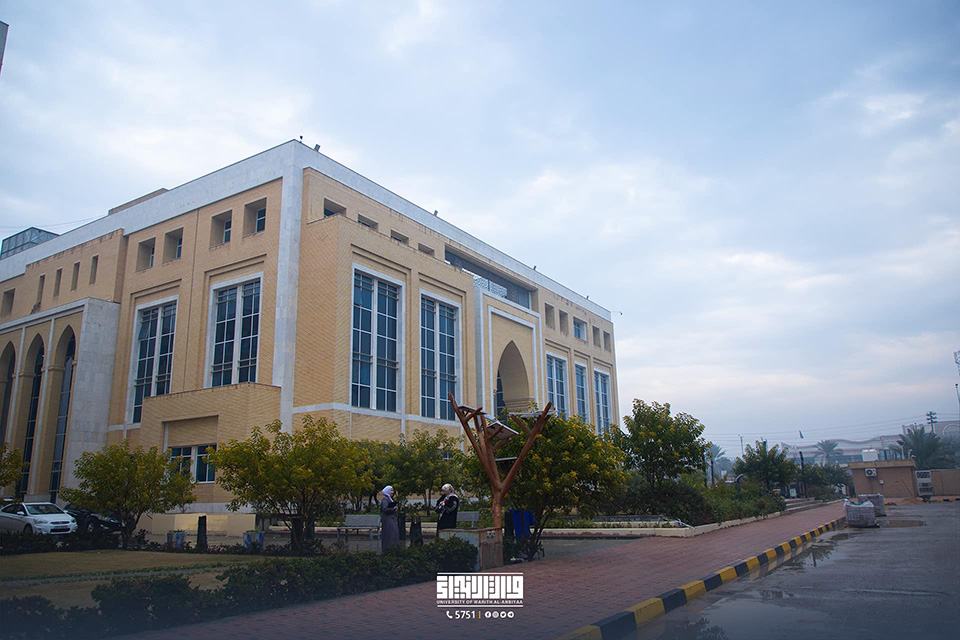
The University of Warith Al-Anbiyaa continues to strengthen its commitment to sustainable campus development through the installation of solar-powered charging stations, known as “solar trees,” across key areas of the university campus.
These innovative structures provide students with accessible charging points for laptops, mobile phones, and other electronic devices using clean solar energy. Designed to combine functionality with environmentally conscious infrastructure, the solar trees contribute to reducing reliance on conventional electricity sources while encouraging the use of renewable energy technologies in everyday campus life.
The installations also support the university’s wider energy efficiency strategy by promoting low-energy electronic usage and integrating practical renewable energy solutions into student spaces and public areas. In addition to their environmental benefits, the solar trees create comfortable outdoor study and seating areas that enhance the campus environment for students and visitors.
University officials noted that the project reflects the institution’s broader commitment to sustainability, innovation, and smart campus development. These initiatives align with several Sustainable Development Goals (SDGs), particularly SDG 7 (Affordable and Clean Energy), SDG 11 (Sustainable Cities and Communities), and SDG 13 (Climate Action) through the promotion of renewable energy and environmentally responsible infrastructure.
The University of Warith Al-Anbiyaa continues to explore modern energy solutions that support sustainability and reduce environmental impact. As part of its future sustainability plans, the university is also working toward incorporating technologies capable of generating electricity through human movement and motion-based systems within campus facilities, supporting the development of a greener and more energy-efficient campus community.
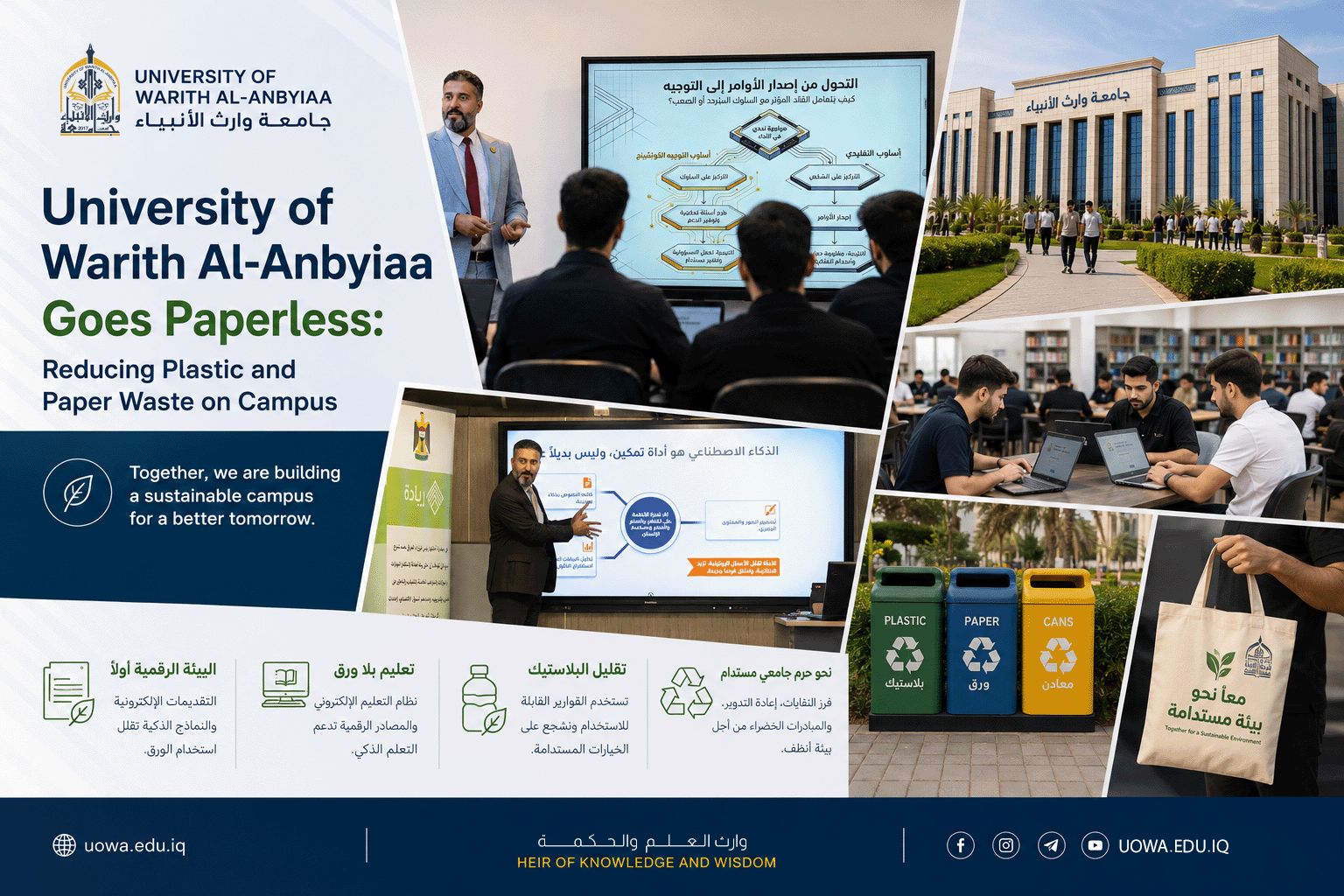
The University of Warith Al-Anbiyaa continues to advance its sustainability strategy through a growing transition toward paperless and low-waste campus operations, reinforcing its commitment to the United Nations Sustainable Development Goals (SDGs).
Through the expansion of digital learning platforms, online administrative systems, electronic payments, and paperless communication tools, the university has significantly reduced paper and plastic consumption across campus. According to university estimates, paper use decreased from approximately 100 tons to 87 tons within one year, while plastic consumption declined from 58 tons to 52 tons.
Key initiatives include online assignment submissions through Moodle, digital registration systems, virtual learning platforms, double-sided printing policies, reusable cafeteria products, and campus-wide water dispensers aimed at reducing reliance on single-use plastics.
These initiatives directly support several Sustainable Development Goals, particularly SDG 12: Responsible Consumption and Production, by reducing material waste and encouraging sustainable resource use. The university’s digital transformation efforts also contribute to SDG 13: Climate Action through reduced paper production, lower transportation demand, and decreased environmental impact associated with waste generation.
Additionally, the promotion of reusable products and environmentally conscious student practices supports SDG 11: Sustainable Cities and Communities by fostering a cleaner, more sustainable campus environment. Through its continued investment in digital systems and sustainable infrastructure, UoWA aims to create a campus culture built around environmental responsibility, innovation, and long-term sustainability.
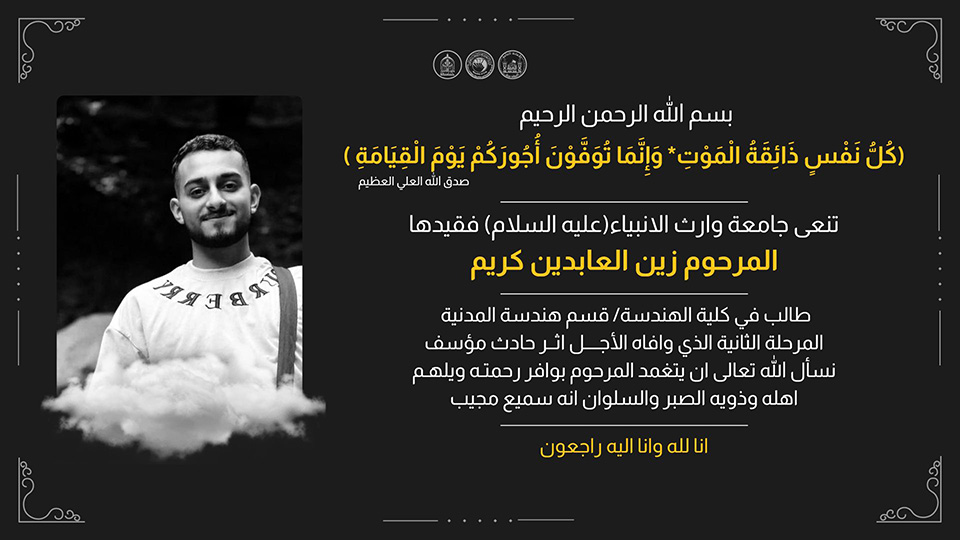
In the name of Allah, the Most Gracious, the Most Merciful"Every soul shall taste death. And only on the Day of Judgment will you be paid your full recompense." — The Holy Quran
The Governance of the University of Warith Al-Anbiyaa (PBUH), along with the Faculty of College of Engineering, mourns the passing of their dear student, Zain Al-Abideen Kareem, a second-year Civil Engineering student, who tragically passed away following an unfortunate accident.
We ask Allah Almighty to grant the deceased His vast mercy and to provide patience and solace to his family and loved ones. Indeed, He is the All-Hearing, the Responsive.
“Indeed, we belong to Allah, and to Him, we shall return.”
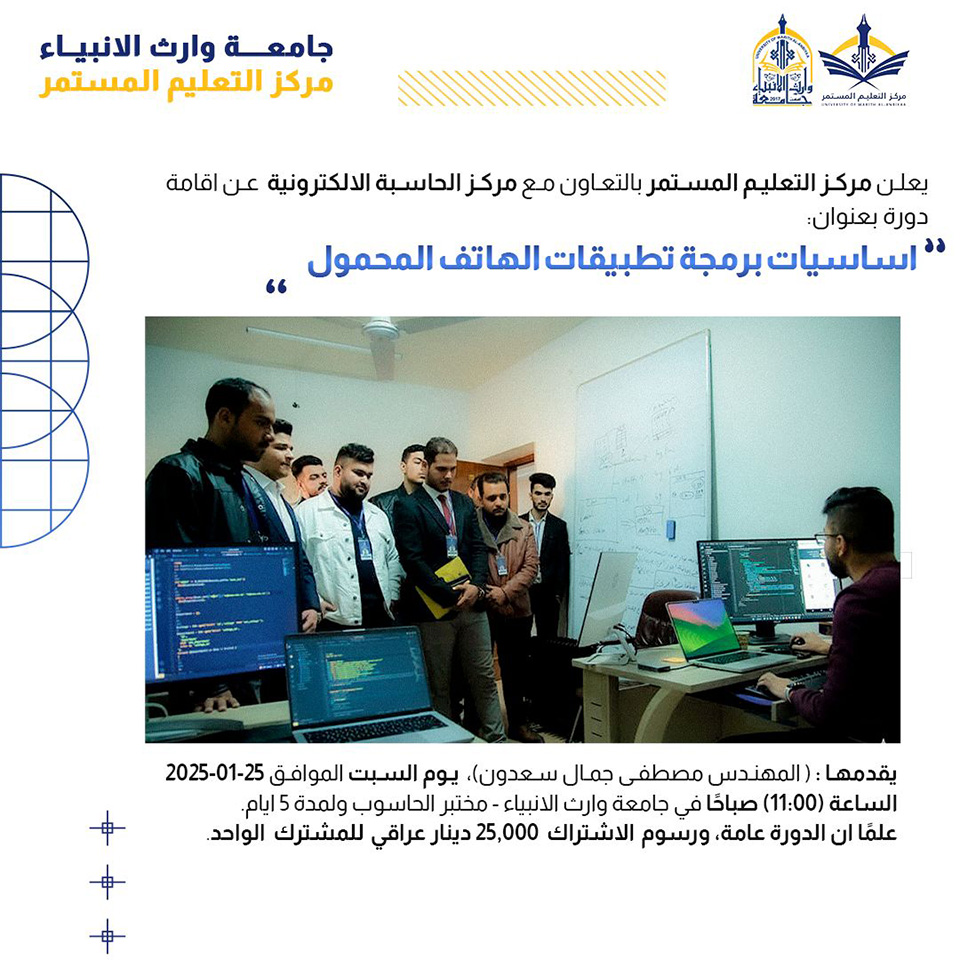
The Continues Education Centre at the University of Warith Al-Anbiyaa is pleased to announce the opening of registration for the Mobile Application Programming Basics Course, set to begin on January 25, 2024. The course will be conducted by Engineer Mustafa Jamal Saadoun.
Course Details:
Duration: 5 days
Timing: 2 hours daily
Course Topics Include:
Introduction to mobile application development
Programming fundamentals for app development
Basics of the Dart programming language
Introduction to the Flutter development framework
Building your first mobile application
Publishing applications on the App Store and Google Play
Fee: 25,000 IQD, payable at the university's financial department. To register, please visit the link below.
The Link
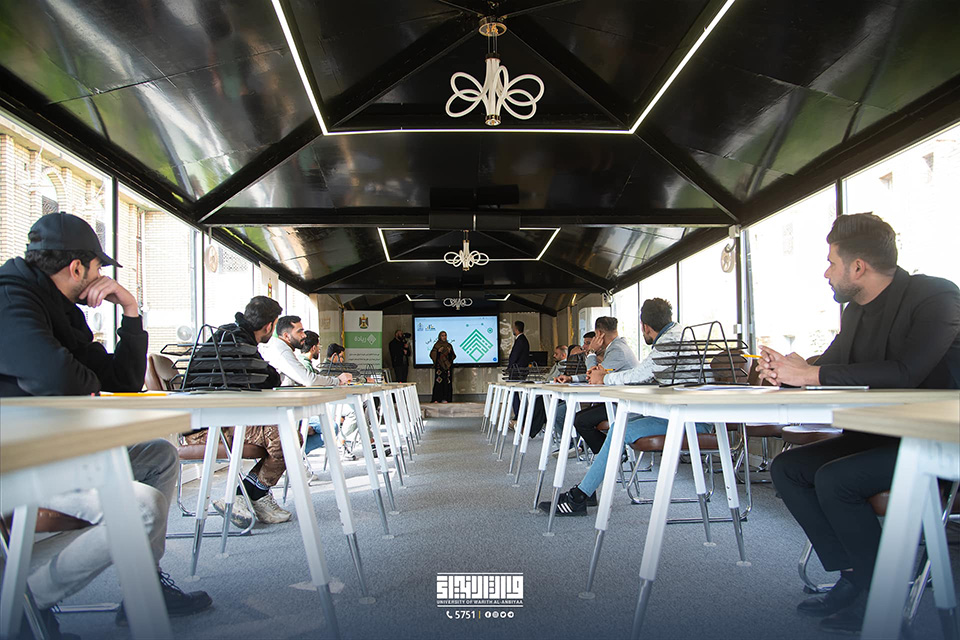
In a step aimed at supporting student and graduate projects, the University of Warith Al-Anbiyaa (PBUH) has commenced career development and employment workshops as part of the government-led Riyada Initiative. These programs align with the university’s strategies to empower and support youth across the country.
2025/01/10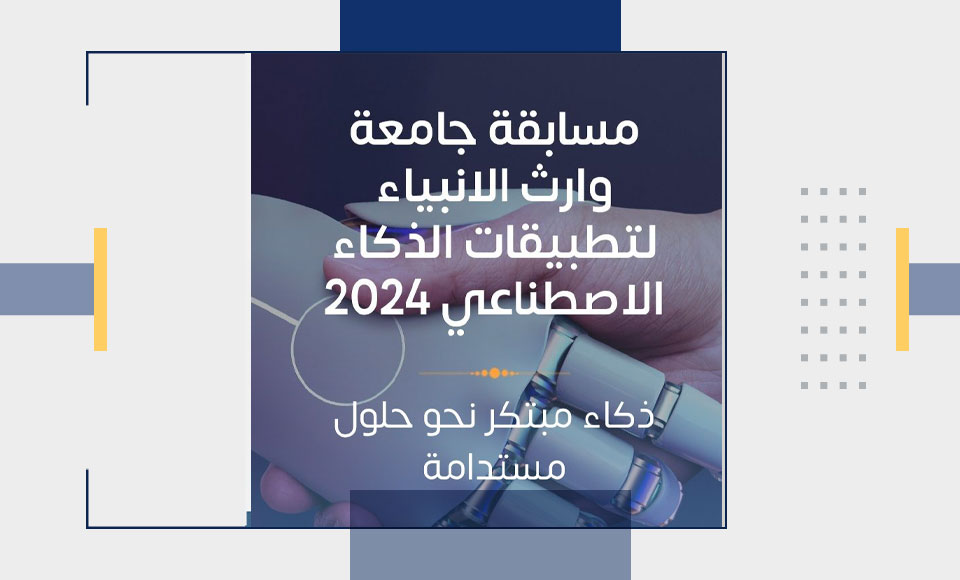
Under the patronage of the Ministry of Higher Education and Scientific Research, the University of Warith Al-Anbiyaa (PBUH) has announced the launch of the first edition of the Artificial Intelligence Applications Competition under the theme “Innovative Intelligence for Sustainable Solutions.” The competition aims to stimulate innovation and creativity to achieve sustainable solutions that serve society and support development.
We invite all innovators and enthusiasts in the field of artificial intelligence to participate.
The application deadline has been extended to January 15, 2025. For registration and more details, please visit the official website of the University of Warith Al-Anbiyaa (PBUH) via the link below.
Submission Link
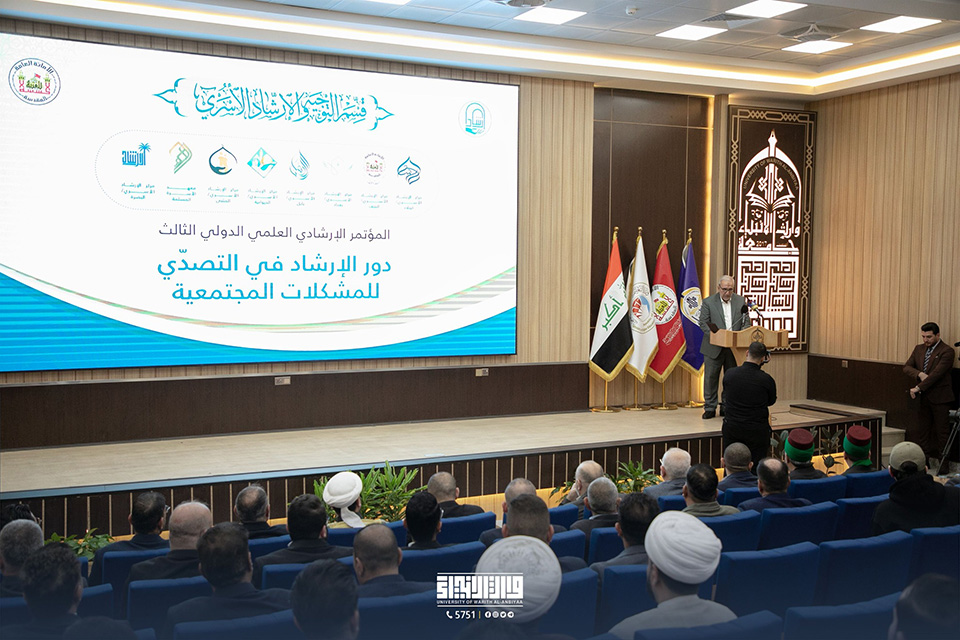
The University of Warith Al-Anbiyaa (PBUH) hosted the Third International Guidance and Scientific Conference, attended by the Secretary-General of the Holy Shrine of Al-Abbas (PBUH), Haj Hassan Rashid Al-Abayji, University President Professor Dr. Ibrahim Saeed Al-Hayawi, and numerous professors and researchers across various scientific and educational disciplines.
The conference aims to spotlight the latest guidance insights and trends in scientific and educational fields while fostering collaboration among academic and research institutions to achieve sustainable development across multiple sectors.
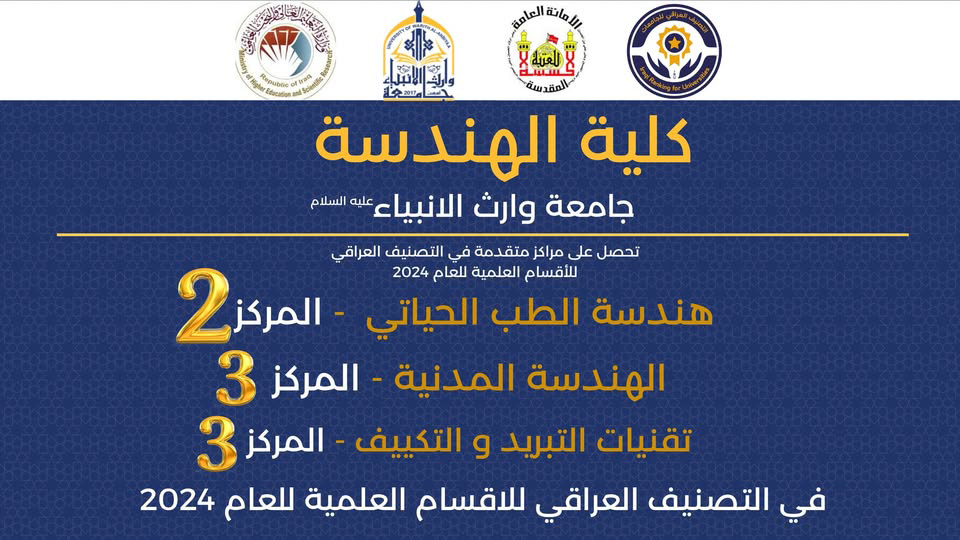
The engineering departments at the University of Warith Al-Anbiyaa (PBUH) have achieved remarkable success in the Iraqi university and private college rankings announced by the Ministry of Higher Education and Scientific Research.
The results are as follows:
Department of Biomedical Engineering: Secured 2nd place.
Department of Civil Engineering: Secured 3rd place.
Department of Refrigeration and Air Conditioning Technologies: Secured 3rd place among scientific departments.
This achievement reflects the relentless efforts of the college administration in advancing education and scientific research. Faculty, staff, and students continue to demonstrate outstanding performance, solidifying the university's position among Iraq’s leading academic institutions.
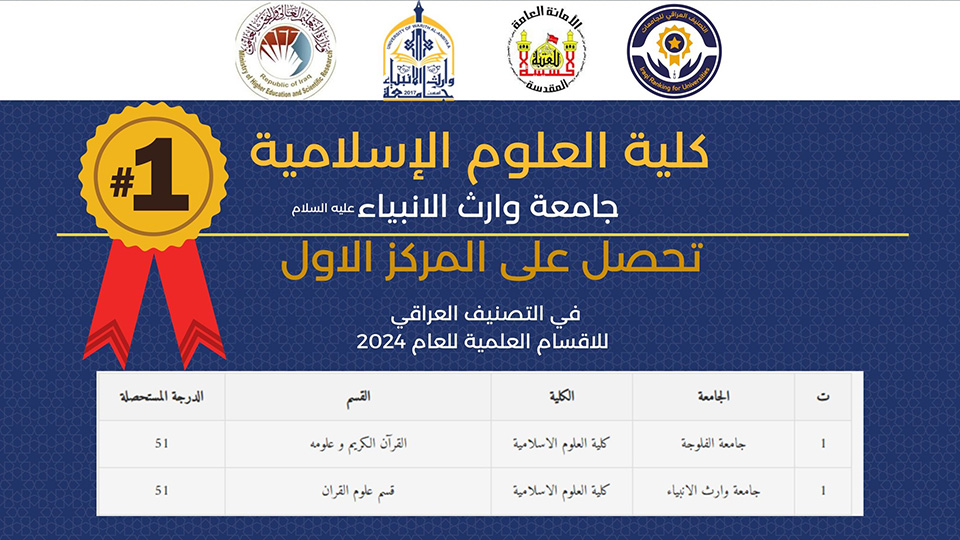
The Department of Quranic Sciences at the College of Islamic Sciences has achieved a remarkable academic milestone, securing first place in the Iraqi Academic Department Ranking announced by the Ministry of Higher Education and Scientific Research.
This achievement reflects the consistent efforts of the college administration, as well as the dedication of the department’s faculty and students.
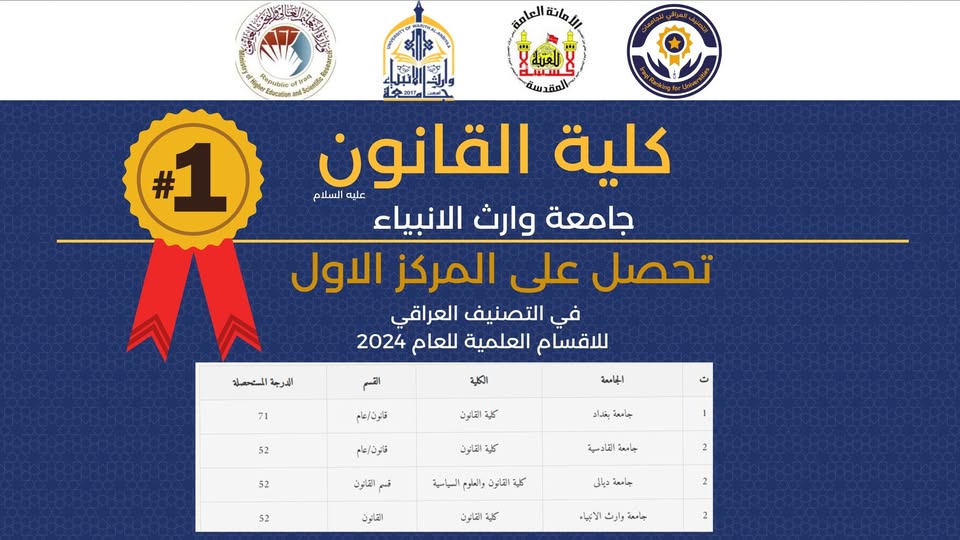
According to the Ministry of Higher Education and Scientific Research's most recent rankings, the University of Warith Al-Anbiyaa's (PBUH) College of Law has accomplished a noteworthy milestone by placing first among private universities and tied for second place among all Iraqi universities. This success is a testament to the administration, faculty, and staff of the college's hard work in reaching and surpassing academic excellence criteria.
2025/01/02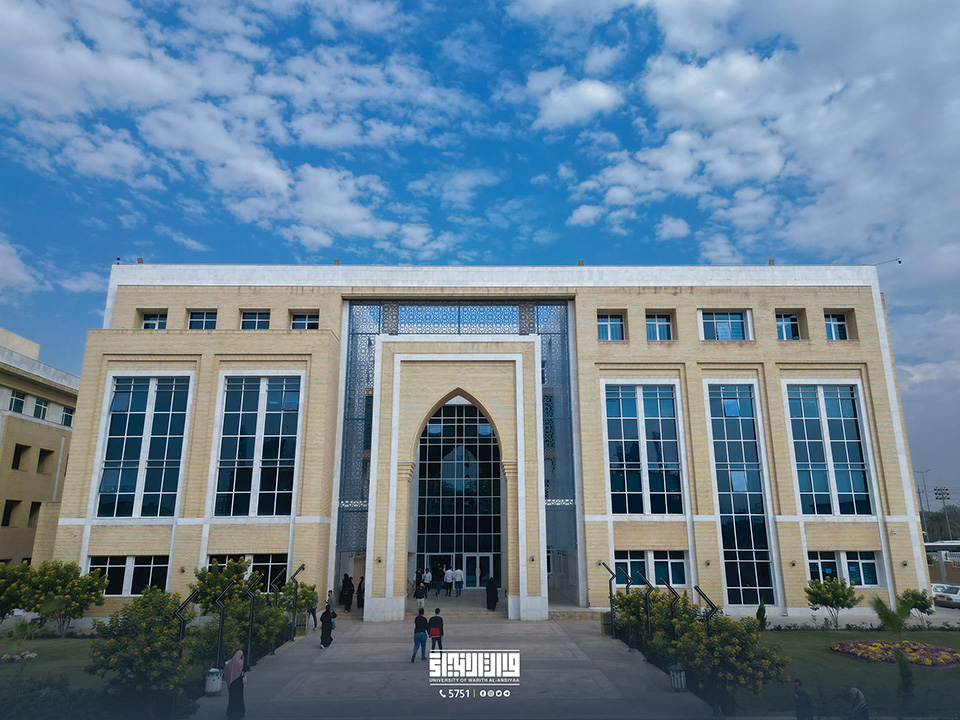
The University of Warith Al-Anbiyaa (PBUH) would like to congratulate all of its faculty and students for placing second in the national rankings of Iraqi universities. The slogan "Together, We Excel" reflects the university's dedication to both academic excellence and ongoing progress in student learning.
2025/01/02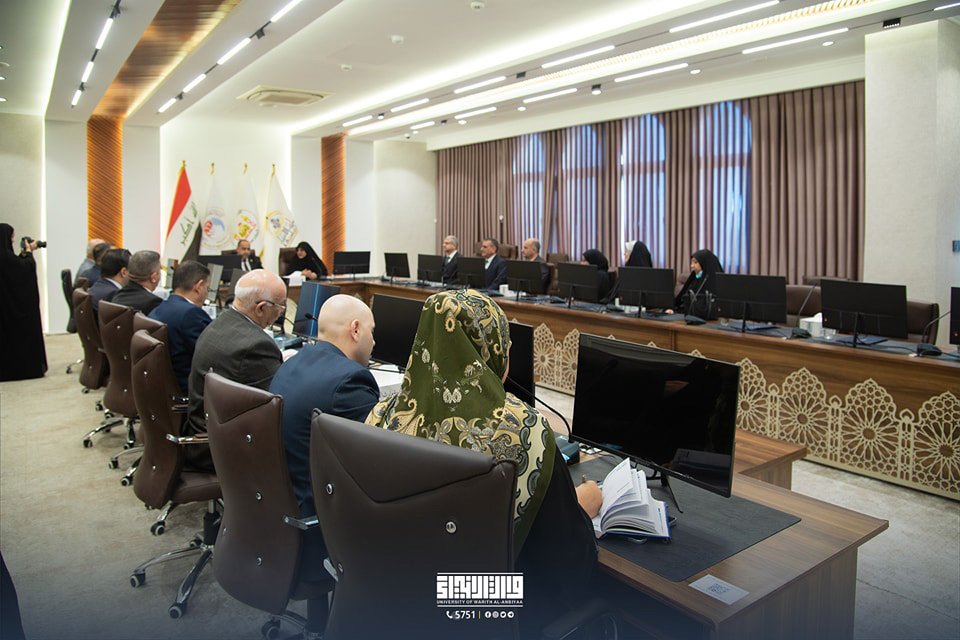
Prof. Dr. Ibrahim Saeed Al-Hayawi, President of the University of Warith Al-Anbiyaa (PBUH), alongside the university council, welcomed a delegation from the University of Al-Zahraa (PBUH) for Women, led by Prof. Dr. Zainab Al-Mulla Al-Sultani.
The meeting aimed to enhance academic and scientific cooperation between Iraqi universities. Both sides engaged in discussions on collaborative opportunities in scientific research, academic expertise exchange, and joint programmes to advance the educational process.
