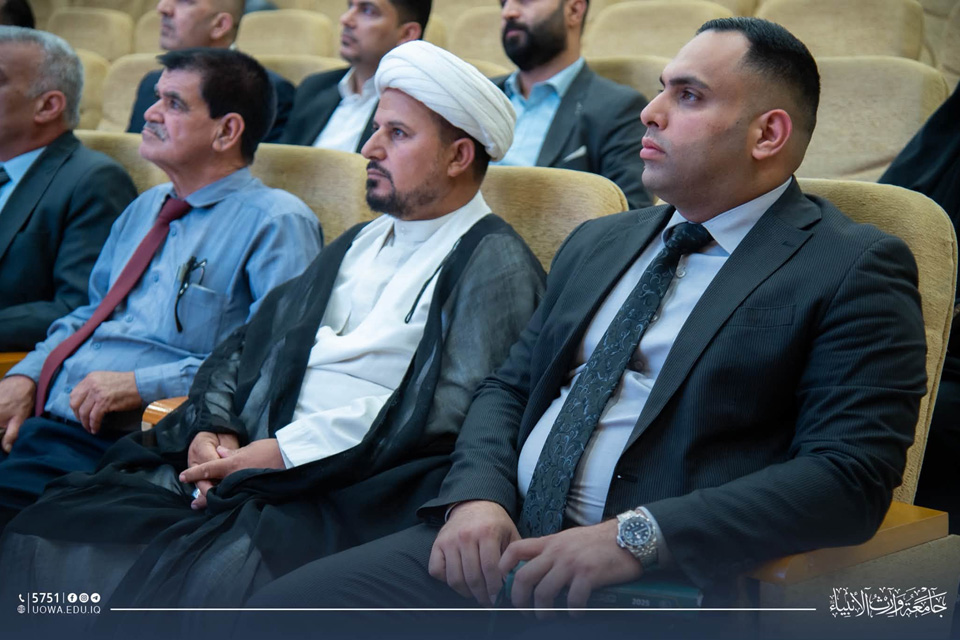
The Scientific Affairs Department at the University of Warith Al-Anbyiaa organised a scientific lecture introducing the Iraqi Science Day Awards for 2025 research outputs, following the launch of the electronic application system by the Ministry of Higher Education and Scientific Research / Department of Research and Development.
The lecture was delivered by Assistant Professor Dr Thaer Munaim, with the attendance of several assistant deans and heads of academic and administrative departments. It covered the electronic application process, participation requirements, eligibility criteria, and procedures for submitting scientific outputs.
The lecture reflects the University’s commitment to supporting researchers and encouraging participation in scientific awards, contributing to research development and academic excellence. It also supports Sustainable Development Goal 4 (Quality Education) by promoting continuous learning and the development of knowledge and skills within the university community.
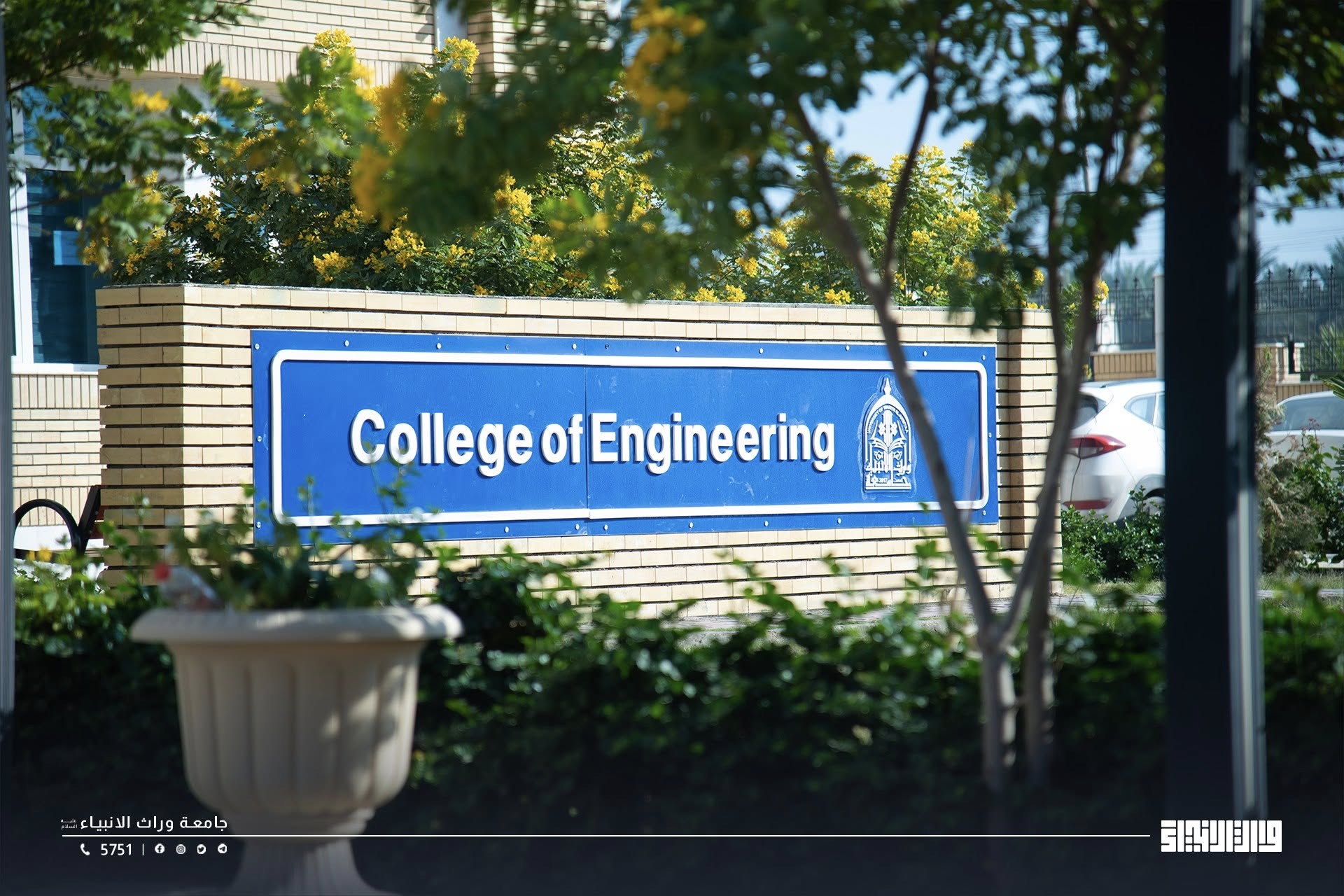
The University of Warith Al-Anbyiaa has achieved a new academic milestone by entering the U.S. News & World Report Best Global Universities Ranking, ranking 913th globally in Engineering among the Iraqi universities included in the ranking.
The achievement reflects the University’s growing research output and commitment to enhancing the quality of scientific research and academic publications, strengthening its presence in international academic rankings.
The University’s recognition in Engineering also highlights its focus on research and innovation, in line with Sustainable Development Goal 9 (Industry, Innovation and Infrastructure), by supporting knowledge, innovation, and research for sustainable development.
This global recognition further reflects the University’s continued efforts to advance its academic and research performance and strengthen its position locally and internationally.
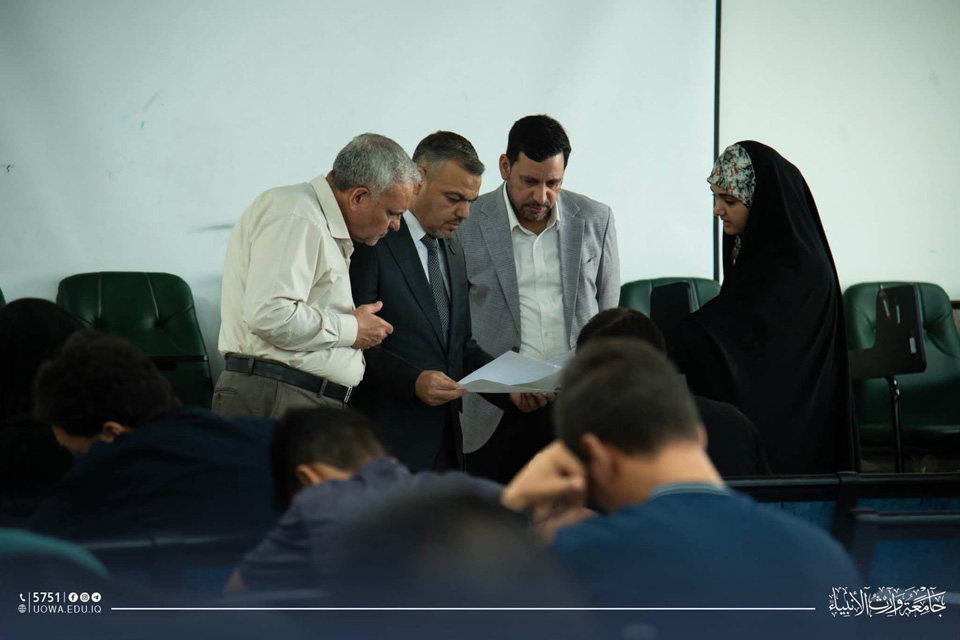
The University Deputy President for Scientific Affairs, Professor Dr Waqid Al-Mousawi, accompanied by the Head of the Registration Department, Mr Muayad Sameer, conducted an inspection tour of several colleges and departments to follow up on the second-round examinations, assess their organisation, and review the needs of students and examination committees.
The tour reflects the University of Warith Al-Anbyiaa’s commitment to providing a suitable examination environment by ensuring the necessary logistical and organisational arrangements. This supports Sustainable Development Goal 4 (Quality Education) by promoting inclusive and high-quality educational opportunities.
The visit also focused on ensuring compliance with approved examination procedures, supporting students throughout their studies and maintaining high standards of organisation and quality in the educational process.
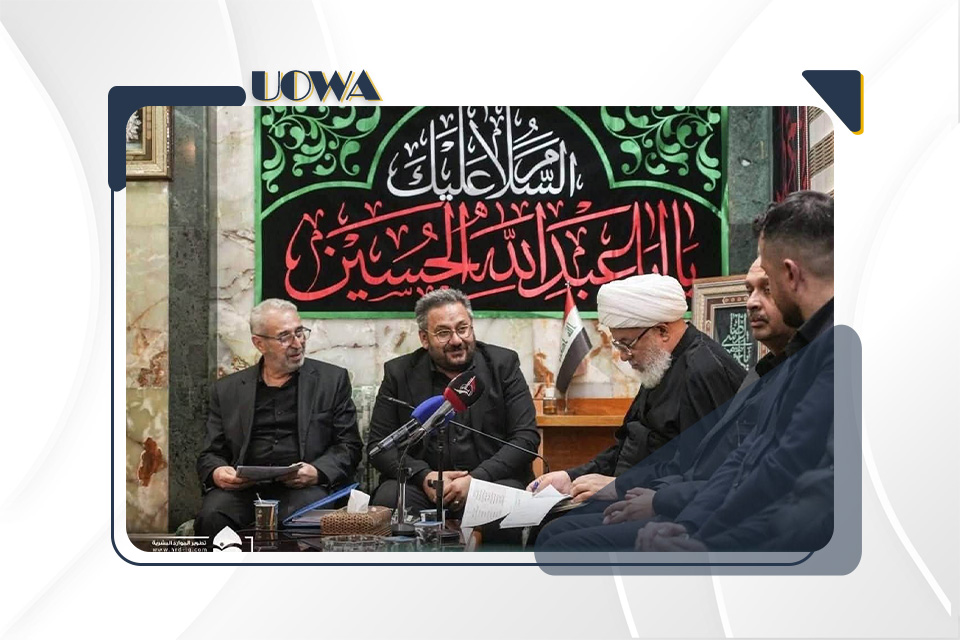
Two staff members of the College of Islamic Sciences at the University of Warith Al-Anbyiaa, Riyadh Abdul Hussein and Ali Abdul Jassim, achieved top positions among the top ten in the ‘A Nation Reads’ competition, organised by the General Secretariat of the Holy Hussaini Shrine / Human Resources Development Department.
The achievement reflects the University’s commitment to developing the intellectual and cultural capabilities of its staff and encouraging participation in activities that enhance reading, research, and learning skills. It also supports Sustainable Development Goal 4 (Quality Education) by promoting continuous learning and knowledge development within the university community.
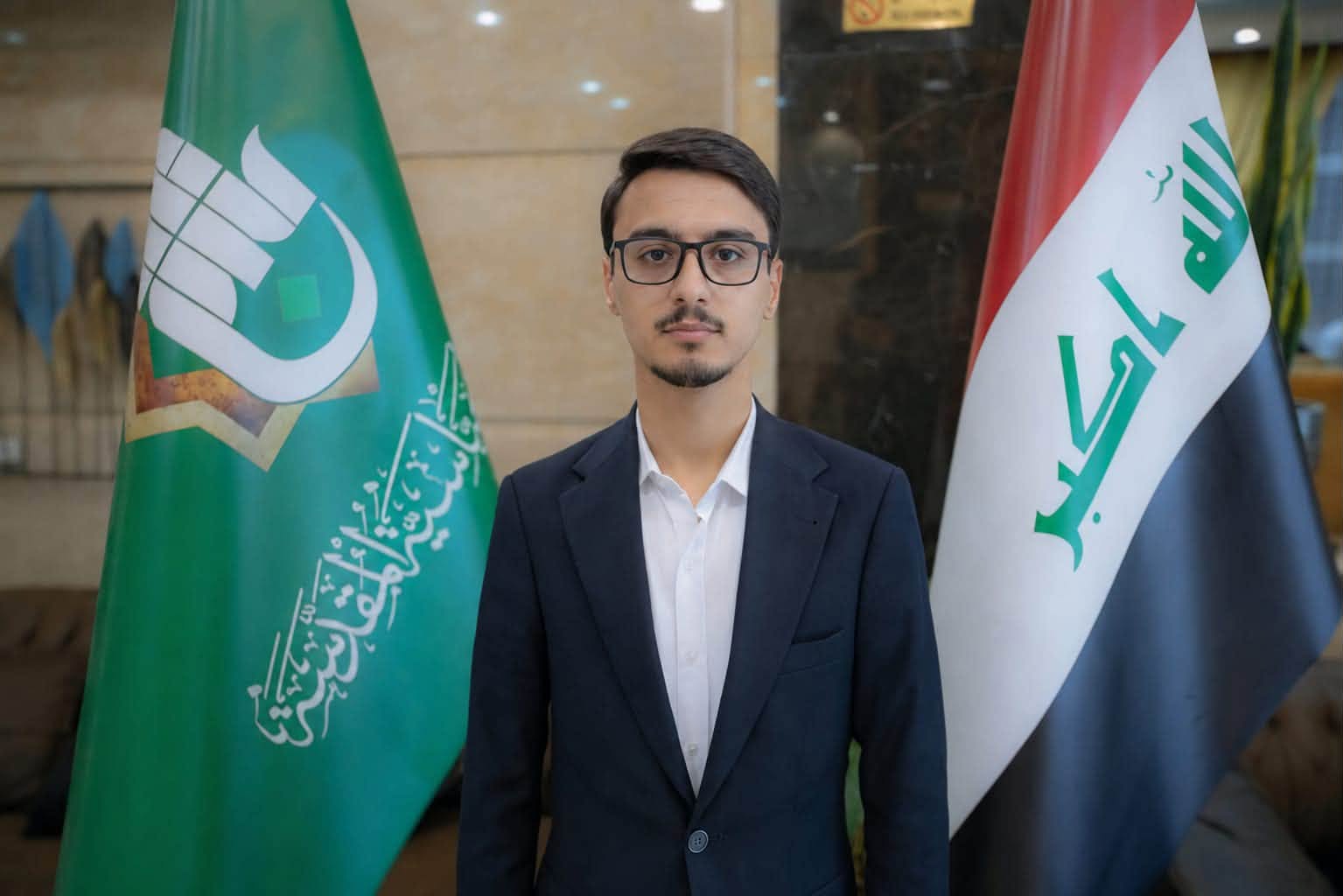
Ali Hassan Shimran, a second-year student in the Department of Petroleum and Gas Engineering at the College of Engineering, University of Warith Al-Anbyiaa, has won the award for Best Qur’an Memorisation in Iraq.
The competition was held in Baghdad on 29 August 2026 under the patronage of the Imamain Foundation for the Holy Qur’an, with 26 participants from across Iraq.
This achievement reflects the excellence of the University’s students in academic, cultural, and Qur’anic fields. It also highlights the University’s commitment to developing well-rounded students who combine academic excellence with cultural and human values, in line with Sustainable Development Goal 4 (Quality Education).
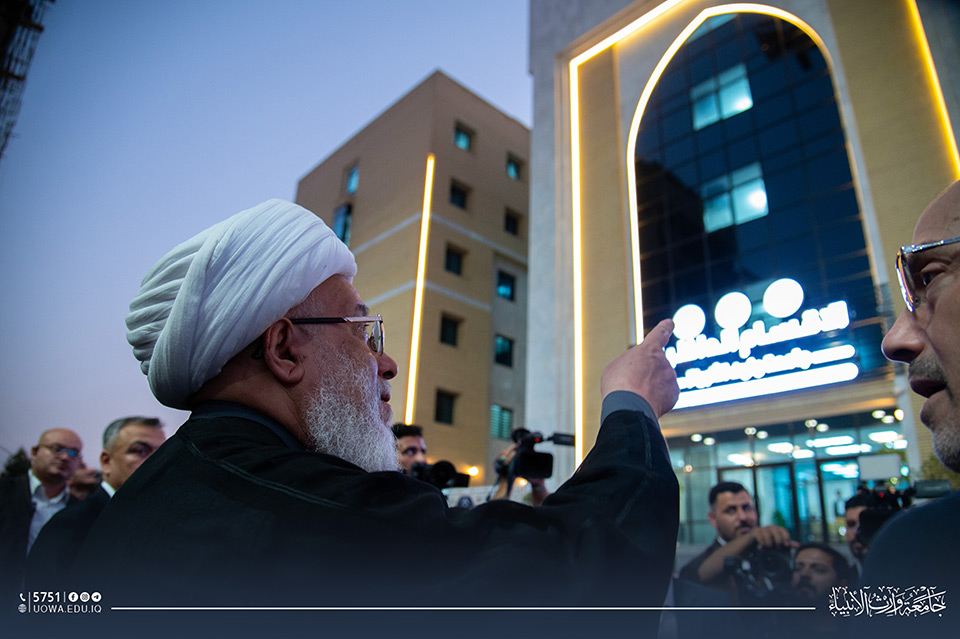
The Secretary-General of the Holy Shrine of Imam Hussain, Mr. Hassan Rashid Jawab Al-Abaiji, affirmed that the inauguration of the new female student hall of residence at Warith Al-Anbiya University (PBUH) represents a prominent developmental and architectural achievement undertaken by the Secretariat-General. He explained that this strategic project—completed under the paternal care of the Chief Guardian (Metwally) and through the dedicated efforts of engineering teams and the executing company—aims to provide a safe and stable academic environment that fosters student creativity and academic excellence, particularly for international students and those residing outside the governorate.
The newly constructed facility features a capacity of up to 600 female students, distributed across 160 rooms equipped with comprehensive residential amenities, study infrastructure, and domestic comfort, alongside an uninterrupted power supply and integrated transportation services. Mr. Al-Abaiji further noted that the Holy Shrine does not seek financial profit from this initiative; services are provided at nominal fees compared to the private sector, designed solely to cover operational and maintenance costs. He urged students to adhere to regulatory guidelines, maintain discipline, and preserve the facilities of this milestone complex.
This initiative is a continuation of the Holy Shrine's ongoing contributions to supporting the higher education and scientific research sectors. It contributes directly to the realization of Sustainable Development Goal 4 (SDG 4: Quality Education) by ensuring inclusive and equitable quality education, as well as advancing Sustainable Development Goal 5 (SDG 5: Gender Equality) by empowering women and girls through the provision of a secure, sustainable educational and residential environment that underpins their academic and professional success.
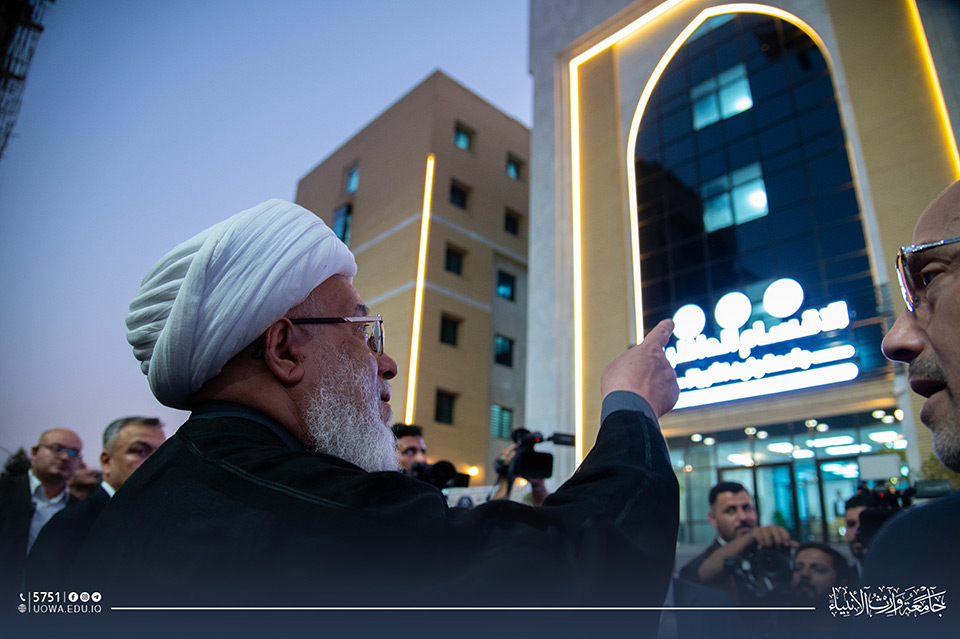
The Secretary-General of the Holy Shrine of Imam Hussain, Mr. Hassan Rashid Jawab Al-Abaiji, affirmed that the inauguration of the new female student hall of residence at Warith Al-Anbiyaa University (PBUH) represents a prominent developmental and architectural achievement undertaken by the Secretariat-General. He explained that this strategic project—completed under the paternal care of the Chief Guardian (Metwally) and through the dedicated efforts of engineering teams and the executing company—aims to provide a safe and stable academic environment that fosters student creativity and academic excellence, particularly for international students and those residing outside the governorate.
The newly constructed facility features a capacity of up to 600 female students, distributed across 160 rooms equipped with comprehensive residential amenities, study infrastructure, and domestic comfort, alongside an uninterrupted power supply and integrated transportation services. Mr. Al-Abaiji further noted that the Holy Shrine does not seek financial profit from this initiative; services are provided at nominal fees compared to the private sector, designed solely to cover operational and maintenance costs. He urged students to adhere to regulatory guidelines, maintain discipline, and preserve the facilities of this milestone complex.
This initiative is a continuation of the Holy Shrine's ongoing contributions to supporting the higher education and scientific research sectors. It contributes directly to the realization of Sustainable Development Goal 4 (SDG 4: Quality Education) by ensuring inclusive and equitable quality education, as well as advancing Sustainable Development Goal 5 (SDG 5: Gender Equality) by empowering women and girls through the provision of a secure, sustainable educational and residential environment that underpins their academic and professional success.
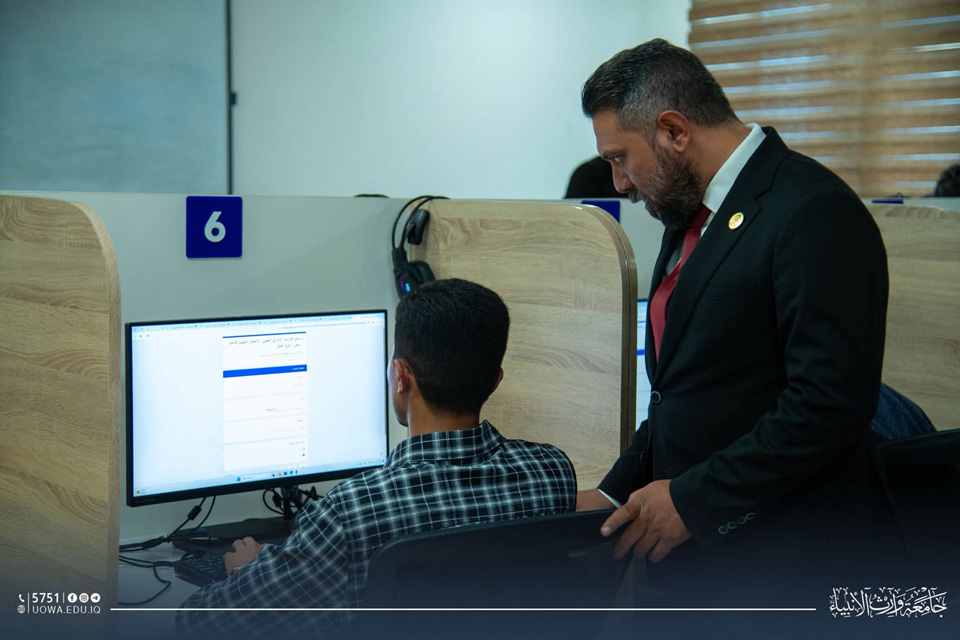
The Science and Technology Parks Department, in collaboration with the College of Medicine at the University of Warith Al-Anbyiaa, organised a training course entitled “The Art of Communication”, delivered by Engineer Karrar Rasool for teaching assistants and graduates of the College of Medicine.
The course focused on developing effective communication skills and enhancing participants’ professional capabilities. It aimed to help them build successful professional relationships and communicate effectively in different workplace environments as part of the Warith Skills Development Training Programme.
The course reflects the University’s commitment to equipping students and graduates with professional skills that complement their academic specialisations. It supports Sustainable Development Goal 4 (Quality Education) and enhances their readiness for the labour market in line with Sustainable Development Goal 8 (Decent Work and Economic Growth).
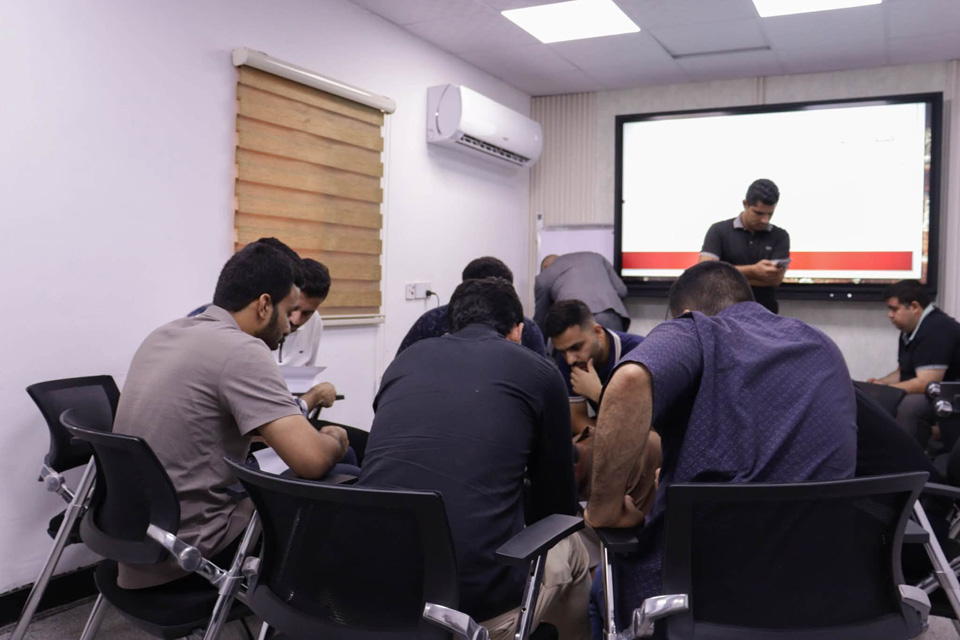
The Science and Technology Parks Department, in collaboration with the College of Medicine at the University of Warith Al-Anbyiaa, organised a training course entitled "The Art of Communication", delivered by Engineer Karrar Rasool for teaching assistants and graduates of the College of Medicine.
The course focused on developing effective communication skills and enhancing participants' professional capabilities. It aimed to help them build successful professional relationships and communicate effectively across different workplace environments as part of the Warith Skills Development Training Programme.
The course reflects the University's commitment to equipping students and graduates with professional skills that complement their academic specialisations. It supports Sustainable Development Goal 4 (Quality Education) and enhances their readiness for the labour market in line with Sustainable Development Goal 8 (Decent Work and Economic Growth).
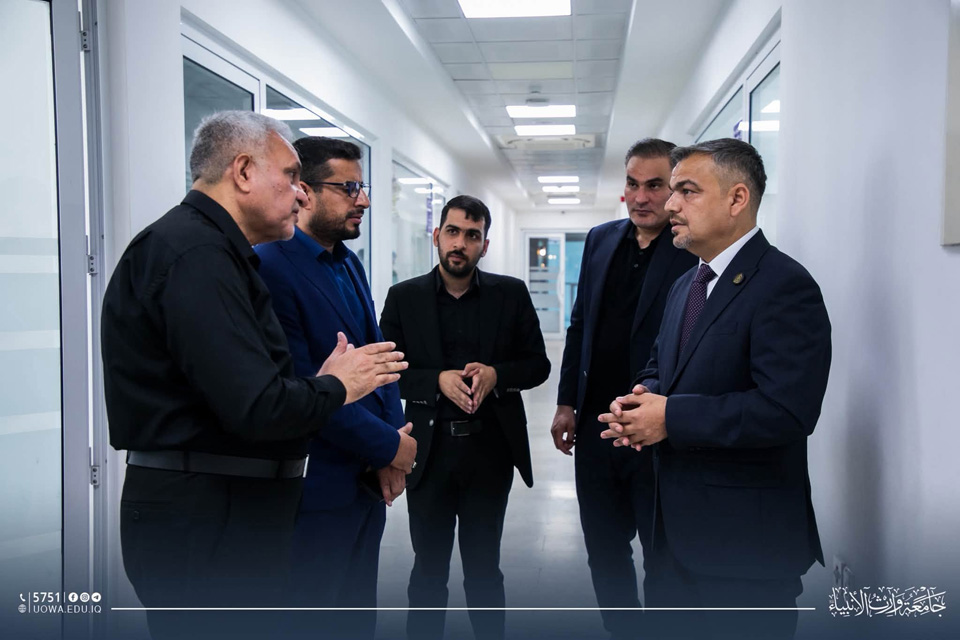
The Deputy President for Scientific Affairs at the University of Warith Al-Anbyiaa, Professor Waqid Al-Mousawi, conducted a field visit to the College of Engineering to review academic and administrative operations and assess performance within the College.
The visit included reviewing the College's needs and work procedures, with the aim of supporting the educational process and enhancing academic and administrative performance.
The visit forms part of the University's ongoing monitoring of its colleges and departments and its commitment to developing the academic and administrative environment. It supports Sustainable Development Goal 4 (Quality Education) by contributing to improved institutional performance and educational quality.
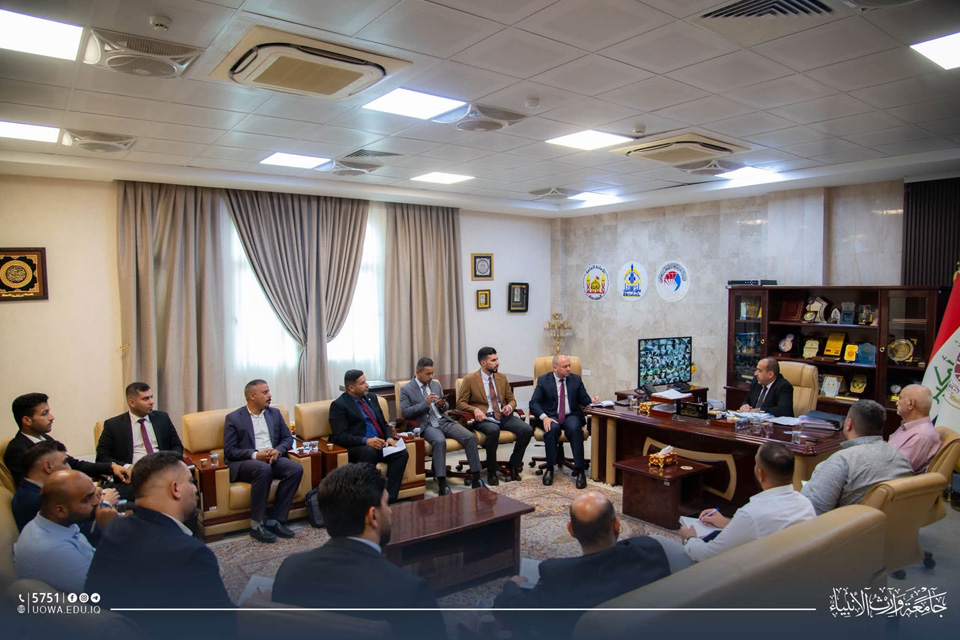
The President of the University of Warith Al-Anbyiaa, Professor Ibrahim Saeed Al-Hiyawi, accompanied by the Assistant President for Administrative Affairs, Professor Nawfal Al-Araji, met with representatives of several administrative departments to discuss matters related to the University's administrative operations.
The meeting explored ways to enhance performance and strengthen coordination between departments, contributing to greater efficiency, addressing operational challenges, and improving the quality of administrative services in line with the University's development plans.
The meeting reflects the University's commitment to advancing institutional performance and strengthening administrative efficiency. It supports Sustainable Development Goal 16 (Peace, Justice and Strong Institutions) by promoting a more effective and efficient institutional environment.
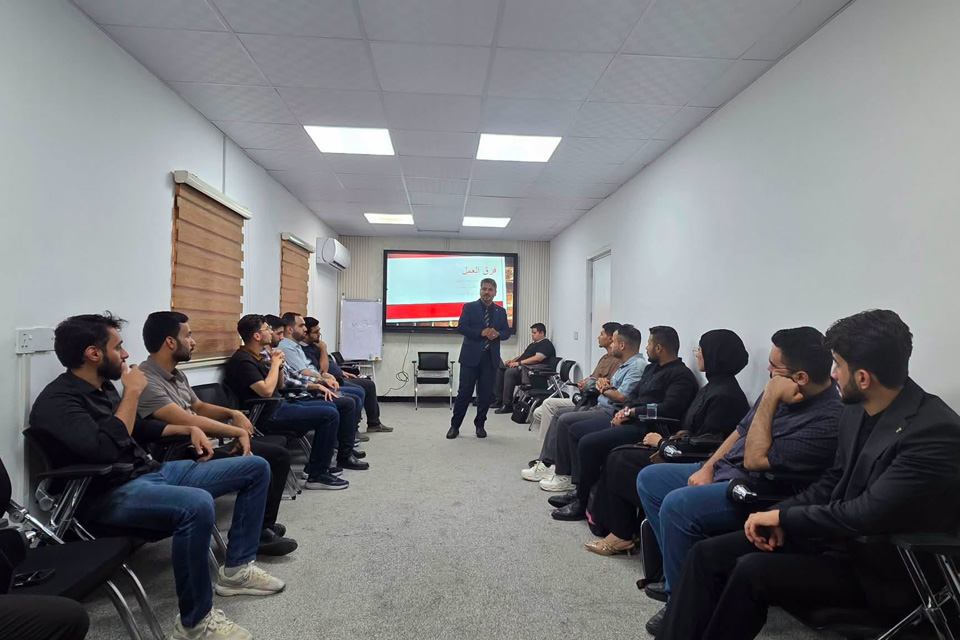
The Science and Technology Parks Department at the University of Warith Al-Anbyiaa, in collaboration with the College of Medicine, organised a training course entitled "Teamwork" for teaching assistants and graduates of the College of Medicine.
The course was delivered by Assistant Professor Dr Mahdi Mohammed Al-Saadi, Head of the Department, as part of a training programme featuring a range of courses and workshops designed to develop participants' professional and academic skills. It also focused on strengthening teamwork and effective communication in the workplace.
The course reflects the University's commitment to empowering its staff and graduates and developing their skills. It supports Sustainable Development Goal 4 (Quality Education) and Sustainable Development Goal 8 (Decent Work and Economic Growth) by promoting professional development and employability.
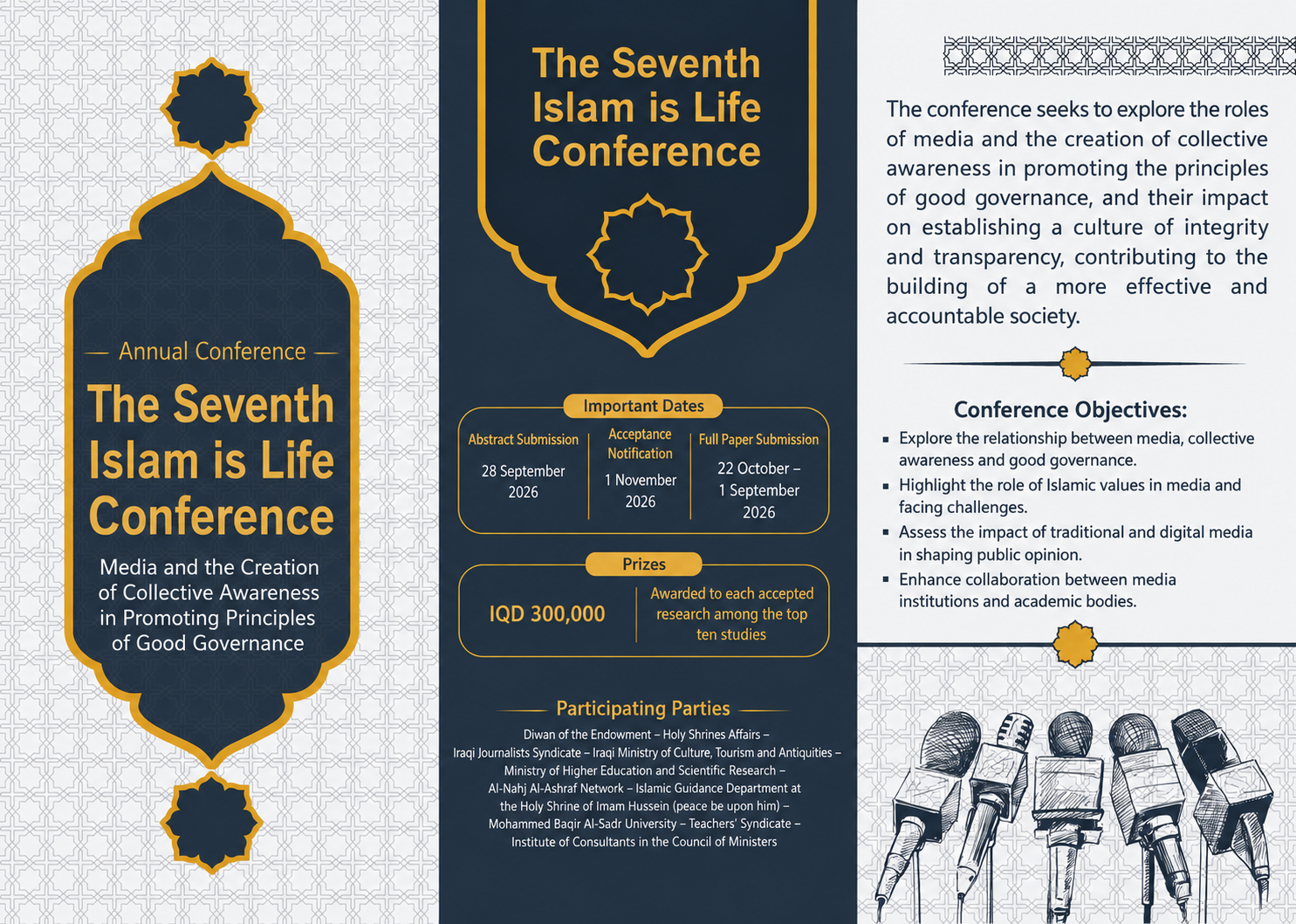
The College of Islamic Sciences at the University of Warith Al-Anbyiaa invites researchers and academics to participate in the 7th Islam is Life Conference, held under the theme:
“Media and the Formation of Collective Awareness in Promoting the Principles of Good Governance”
Researchers are invited to submit academic papers addressing the approved conference themes, contributing to scholarly dialogue and promoting awareness of the role of media in strengthening the principles of good governance.
Key Dates:
Paper submission: 1 September – 22 October 2026
Acceptance notifications: 1 – 20 November 2026
Conference date: 28 November 2026
The College welcomes researchers and academics to take part in this scholarly event and contribute to its research themes.
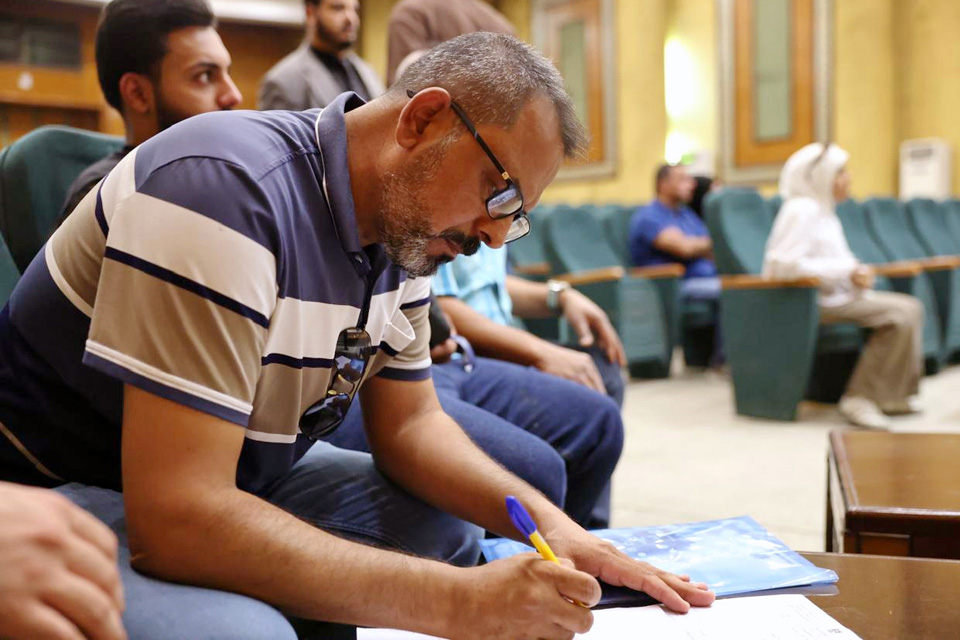
The Deputy Minister of Higher Education and Scientific Research for Administrative Affairs, Professor Adnan Ibrahim Abdul-Jumaili, received a number of citizens and visitors and listened to their requests. He directed the relevant departments to follow up on their concerns and take the necessary measures in accordance with established administrative and legal procedures.
The Deputy Minister reaffirmed the Ministry's commitment to addressing citizens' requests in line with applicable regulations and instructions. He also instructed the relevant authorities to review the matters raised and take appropriate action within their authorised powers.
The citizens expressed their appreciation for the direct attention given to their requests and concerns, highlighting the importance of such meetings in following up on their cases and understanding the measures taken.
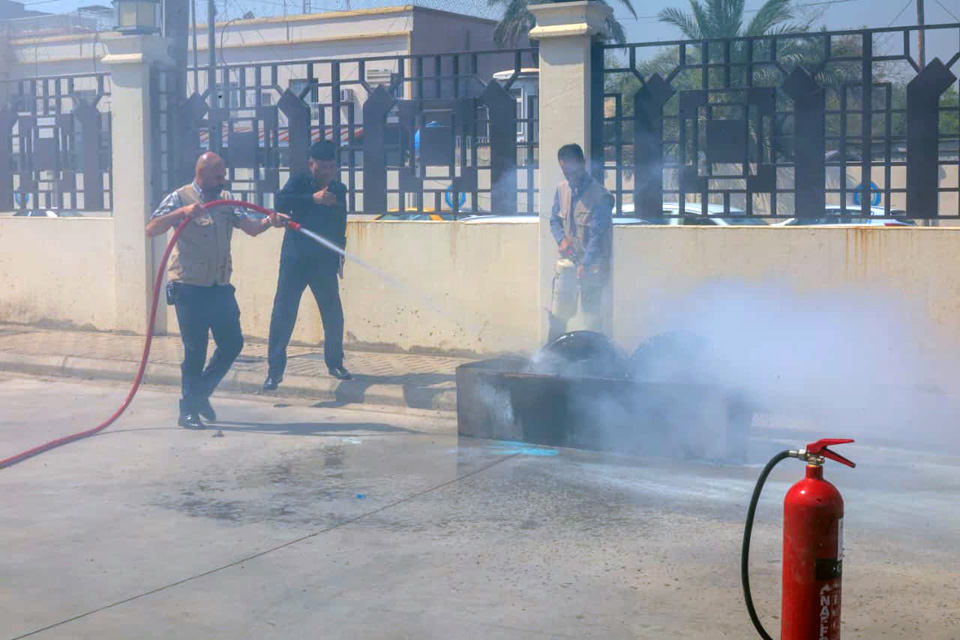
The Ministry of Higher Education and Scientific Research conducted a field exercise under the supervision of the General Directorate of Civil Defence to assess preparedness and strengthen the ability to respond to incidents and emergencies in accordance with approved safety procedures.
Held at the Al-Andalus Complex, the exercise simulated emergency situations, tested evacuation and response plans, and assessed the availability of safety and security measures. Staff were also trained to respond appropriately and efficiently to emergencies, helping to ensure rapid response and minimise risks.
The exercise reflects the Ministry's commitment to implementing civil defence and safety requirements across its institutions. It also aims to strengthen awareness of prevention and emergency response through training programmes, workshops, lectures, and practical exercises.
These measures form part of the Ministry's efforts to enhance coordination with the General Directorate of Civil Defence and relevant authorities, monitor safety requirements across its buildings and facilities, and improve staff preparedness for emergencies in line with approved procedures.
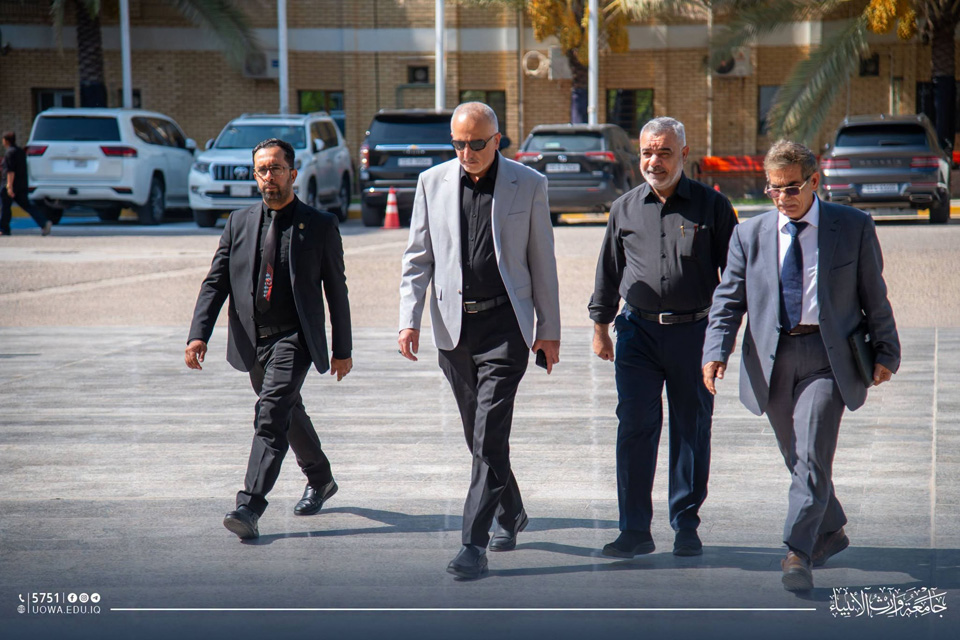
The College of Medicine at the University of Warith Al-Anbyiaa held an extended meeting to discuss the requirements for programme and international accreditation, attended by academic, healthcare, and parliamentary representatives from Karbala.
The meeting brought together representatives of the Parliamentary Health Committee, the Karbala Provincial Council, and the Karbala Health Directorate, along with the Deans of Medicine at the Universities of Karbala and Warith Al-Anbyiaa, as well as doctors, hospital directors, representatives of the Holy Hussaini Shrine, and the Head of the Karbala Council of Notables.
The participants discussed the requirements and pathways towards programme and international accreditation. The College also reviewed its recent achievements and developments and explored opportunities to strengthen cooperation with academic and healthcare institutions. These efforts aim to enhance the quality of medical education and its outcomes in line with recognised academic and professional standards.
The initiative supports Sustainable Development Goal 4 (Quality Education) by advancing medical education, Sustainable Development Goal 3 (Good Health and Well-being) by improving healthcare-related outcomes, and Sustainable Development Goal 17 (Partnerships for the Goals) through stronger collaboration between academic and healthcare institutions.
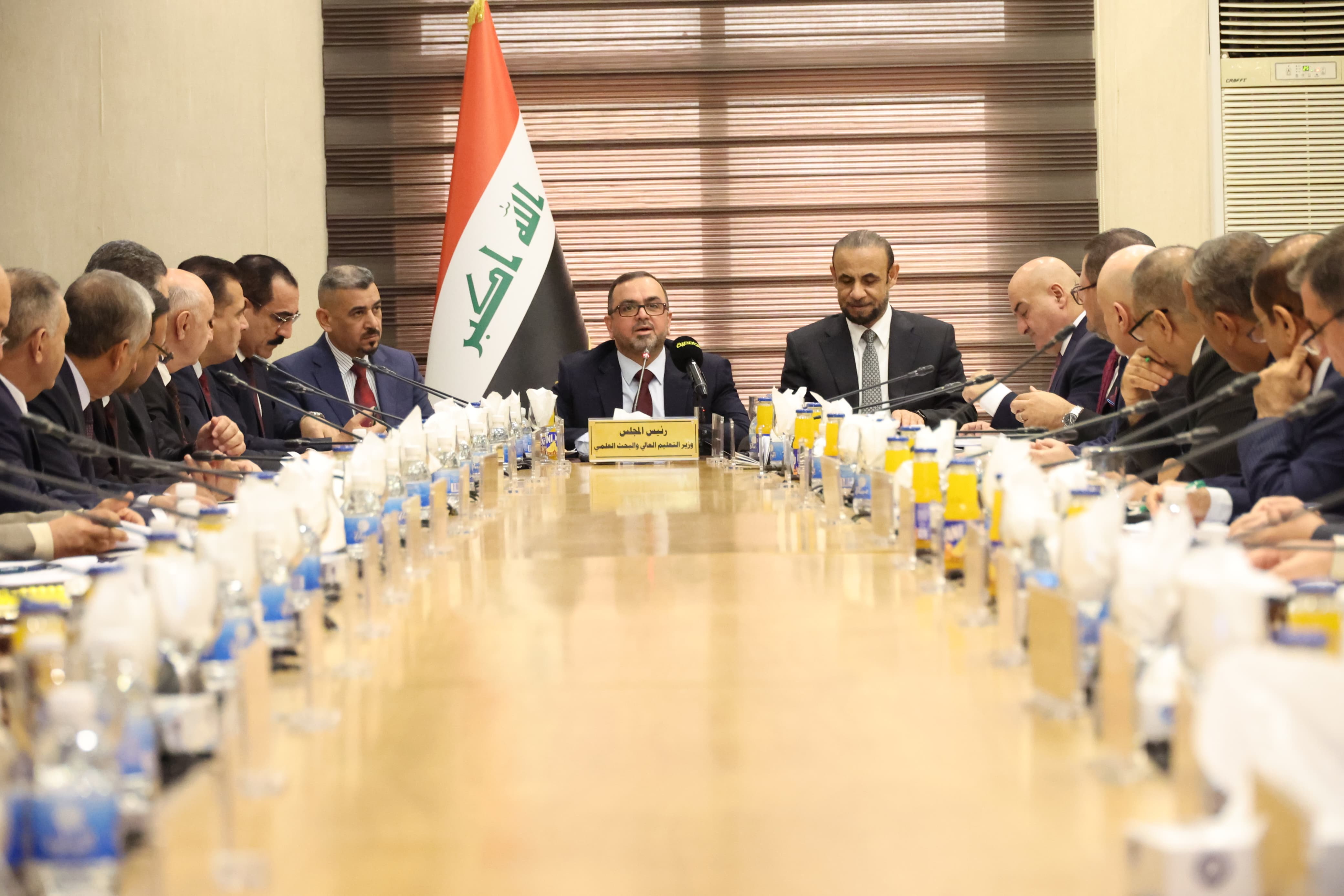
The Acting Minister of Higher Education and Scientific Research, Dr Abdul Hussein Al-Mousawi, chaired a meeting of the Opinion Board attended by senior ministry officials and presidents of public universities.
During the meeting, the Minister emphasised that investigative committees within the Ministry's institutions are established on ethical and legal grounds to correct practices, uphold institutional justice, and strengthen integrity and fairness. He stressed that these committees serve to protect institutions, regulate procedures, and address shortcomings within the applicable legal framework.
The Minister affirmed that the Ministry would not allow such committees to be used to settle personal scores or undermine the rights of academic and administrative staff. He also stressed that job security, professional dignity, and respect for the legal rights of university staff remain firmly established principles and key administrative and ethical priorities for the Ministry.
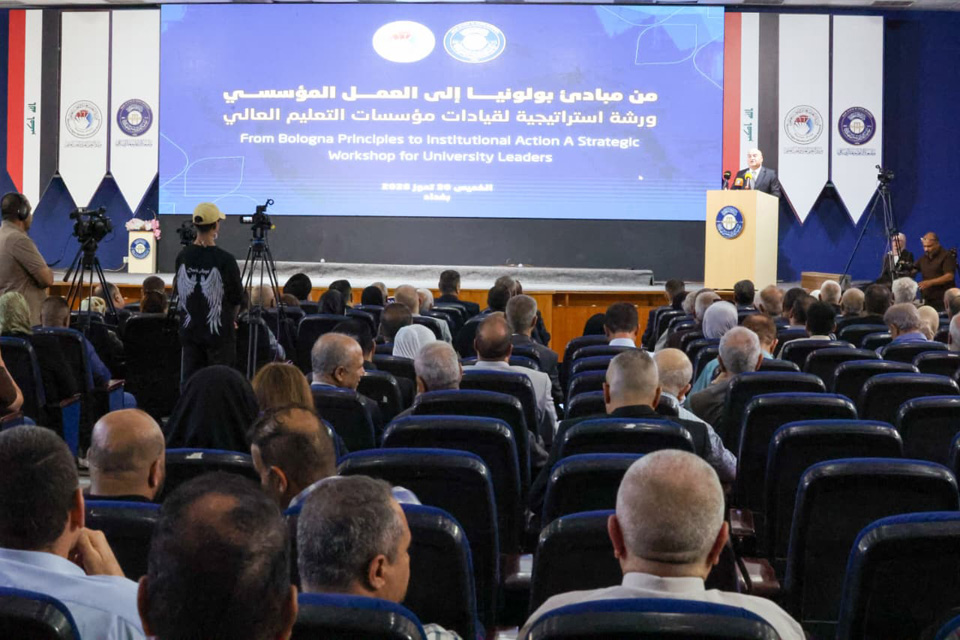
The Ministry of Higher Education and Scientific Research has concluded a programme of specialised workshops on advancing the implementation of the Bologna Process, with the participation of university presidents, deputy presidents for scientific affairs, and academic staff. The programme was attended by Professor Burak Arikan, an international expert in higher education policy and the Bologna Process.
In his address at the closing session, hosted by Imam Al-Sadiq University, Professor Haider Abd Duhad, Deputy Minister for Scientific Research Affairs, affirmed the Ministry's commitment to developing higher education in line with internationally recognised academic frameworks.
He noted that the Bologna Process is a key pillar in modernising academic programmes, improving educational outcomes, and developing the university environment in response to scientific advances and the requirements of sustainable development.
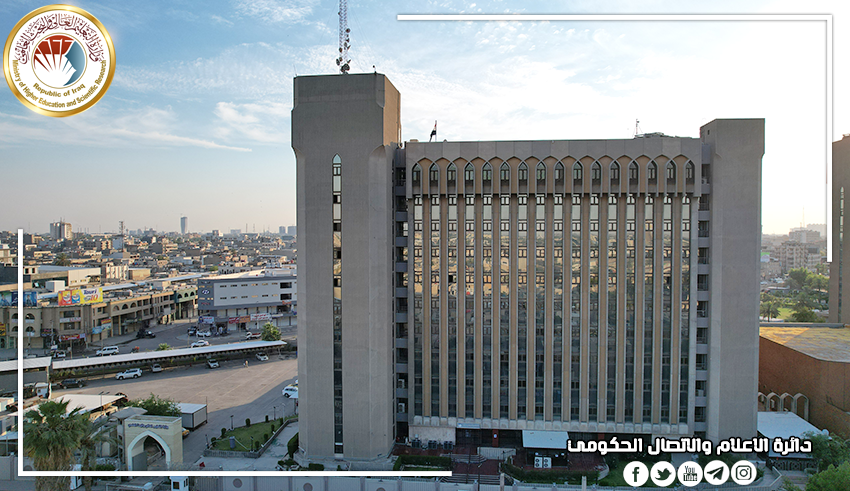
The Ministry of Higher Education and Scientific Research has announced the opening of applications for the Programme Transfer and Previous-Year Graduates Admission channels for top graduates of vocational education from the 2024–2025 academic year, covering all branches.
Online applications are available through the Qadam Platform or the Studies, Planning and Follow-up (https://dirasat.mohesr.gov.iq/) Portal until the end of official working hours on Sunday, 23 August 2026.
Students who are deferred, unsuccessful, or whose admission has been cancelled and who wish to change their nomination should first visit the university to which they were admitted to activate their examination number.
Qadam Platform:
Google Play
App Store
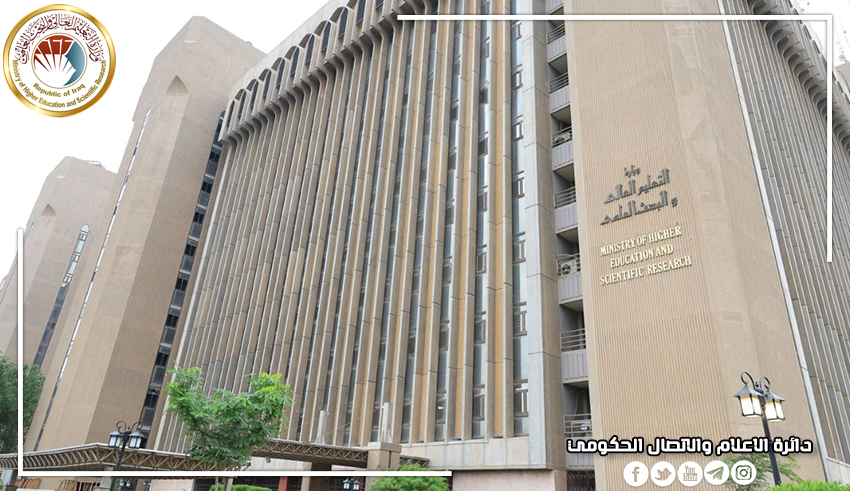
The Ministry of Higher Education and Scientific Research has announced the availability of Chevening Scholarships, offered by the United Kingdom for Master's study in the 2027–2028 academic year. The scholarships are available to non-employed applicants.
According to the Department of Scholarships and Cultural Relations, the scholarships are open to all academic disciplines except General Medicine, Dentistry, and Pharmacy.
Applications open on Tuesday, 4 August 2026, and close on Tuesday, 6 October 2026.
Application Requirements and Conditions
Chevening – Iraq
Department of Scholarships and Cultural Relations Portal
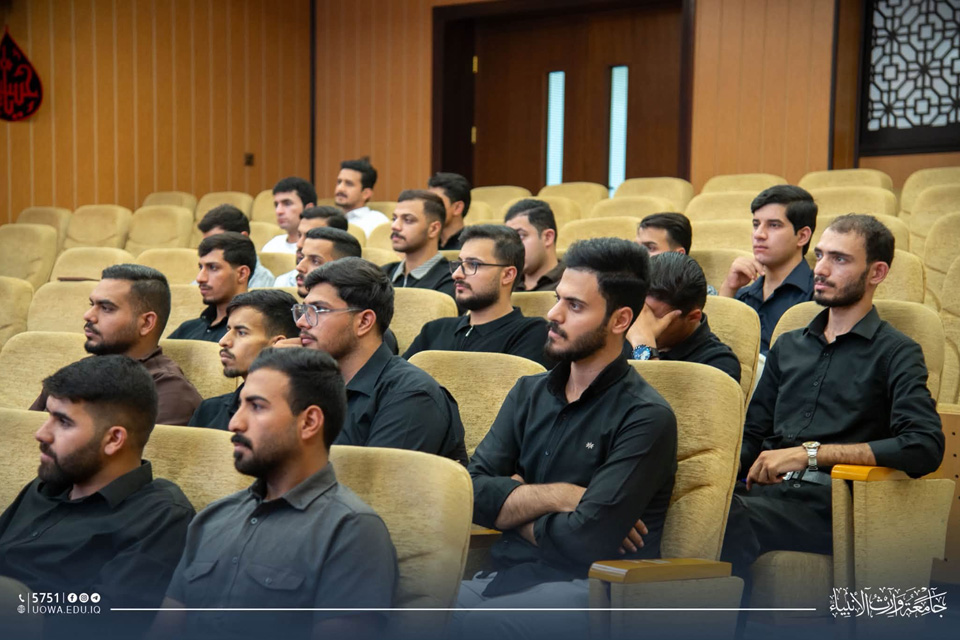
The College of Nursing at the University of Warith Al-Anbyiaa organised training workshops to prepare its graduates for work in medical institutions affiliated with the Holy Hussaini Shrine during the Arbaeen pilgrimage.
The workshops focused on developing the skills required to work in healthcare settings, strengthening graduates' professional readiness and their ability to provide nursing care to patients and visitors.
The initiative reflects the University's commitment to investing in its graduates and preparing them for the labour market. It also supports healthcare institutions with qualified nursing professionals and provides young graduates with opportunities to serve Arbaeen pilgrims. This initiative supports Sustainable Development Goal 3 (Good Health and Well-being) and Sustainable Development Goal 4 (Quality Education).
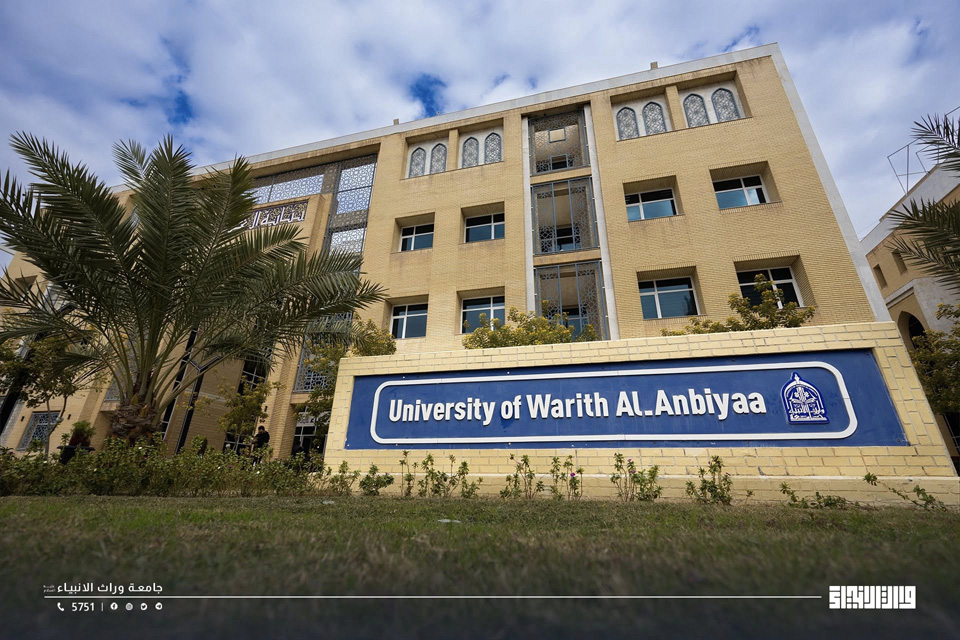
We extend our warmest congratulations to our dear sixth-year secondary school graduates on their outstanding results and success. We wish them continued achievement as they begin the next stage of their academic journey.
As they take this important step towards choosing the college and programme that best match their ambitions, we invite them to make the University of Warith Al-Anbyiaa their academic destination and begin a university journey towards a future of knowledge, success, and excellence.
The University of Warith Al-Anbyiaa offers 12 colleges with a diverse range of scientific, medical, technical, and humanities programmes:
College of Medicine
College of Dentistry
College of Pharmacy
College of Engineering, offering:
Petroleum and Gas Engineering
Aeronautical Engineering
Biomedical Engineering
Civil Engineering
College of Nursing
College of Law
College of Administration and Economics, offering:
Healthcare Institutions Management
Oil and Gas Economics
Accounting
Business Administration
College of Islamic Sciences, offering:
Qur'anic Sciences
Jurisprudence and its Principles
Islamic Financial and Banking Sciences
College of Media, offering:
Digital Media
Digital Advertising and Marketing Communications
College of Science, offering:
Medical Physics
Forensic Science
College of Modern Technologies, offering:
Smart Digital Health Technologies
Behavioural Therapy and Autism Technologies
Radiology and Nuclear Medicine Technologies
Air Conditioning and Refrigeration Technologies
Electrical Engineering Technologies
College of Computer Science and Information Technology, offering:
Artificial Intelligence
Information Technology
Cyber Security
For enquiries, please contact:
Short Number: 5751Mobile: 07734896226
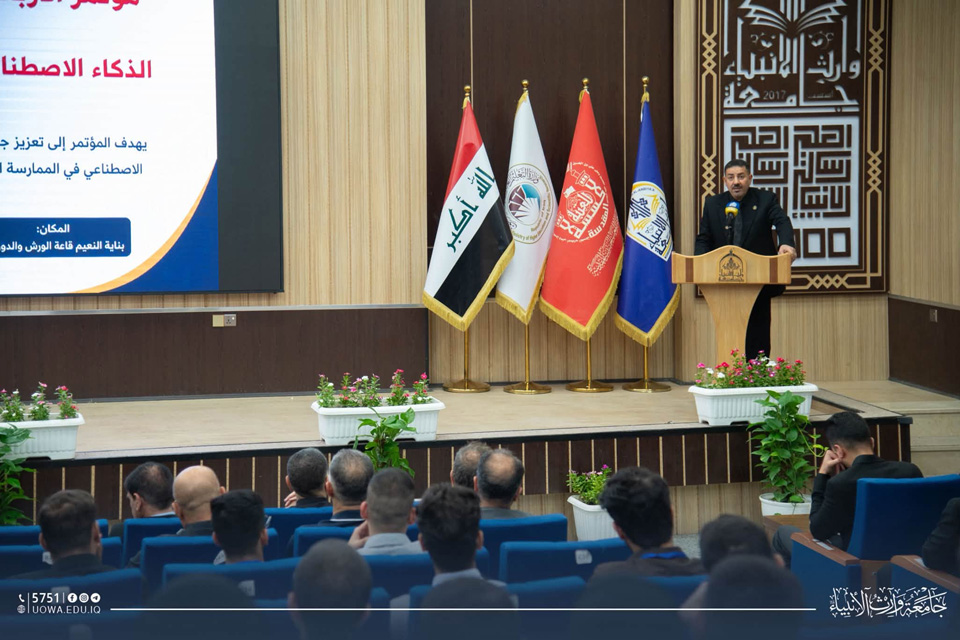
The College of Medicine at the University of Warith Al-Anbyiaa held the International Arbaeen Conference on Medical Education and Research Writing under the theme "Artificial Intelligence in Medical Education, Research Writing, and Clinical Practice", with the participation of distinguished academics and experts from several countries.
The conference featured scientific lectures and practical workshops on the use of artificial intelligence in medical education, scientific research, and clinical practice, alongside specialised workshops on laparoscopic surgery and disaster management.
The conference reflects the University's commitment to innovation and modern technologies in advancing medical education and research. It supports Sustainable Development Goal 3 (Good Health and Well-being), Sustainable Development Goal 4 (Quality Education), Sustainable Development Goal 9 (Industry, Innovation and Infrastructure), and Sustainable Development Goal 17 (Partnerships for the Goals).
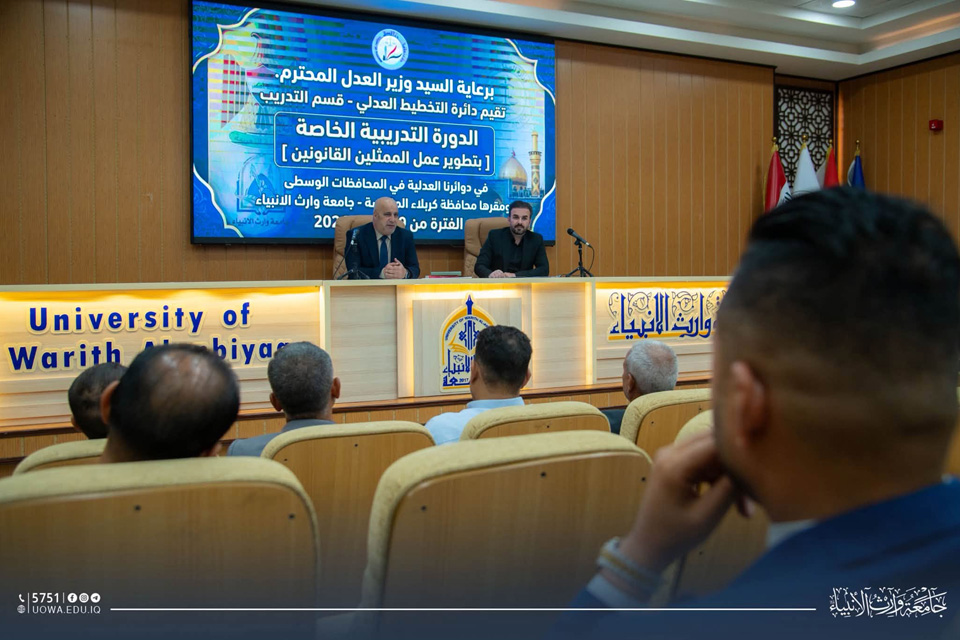
The Colleges of Administration and Economics and Law at the University of Warith Al-Anbyiaa hosted a specialised training course entitled "Developing the Work of Legal Representatives", organised by the Ministry of Justice's Department of Judicial Planning, Training Division. The programme brought together legal representatives from judicial institutions across the Middle Euphrates governorates.
The course aimed to strengthen participants' legal knowledge and professional skills by introducing current legal practices and effective working methods, while encouraging the exchange of expertise and improving institutional performance.
Hosting this programme reflects the University's commitment to professional development and collaboration with government institutions. It supports Sustainable Development Goal 4 (Quality Education) and Sustainable Development Goal 16 (Peace, Justice and Strong Institutions).
