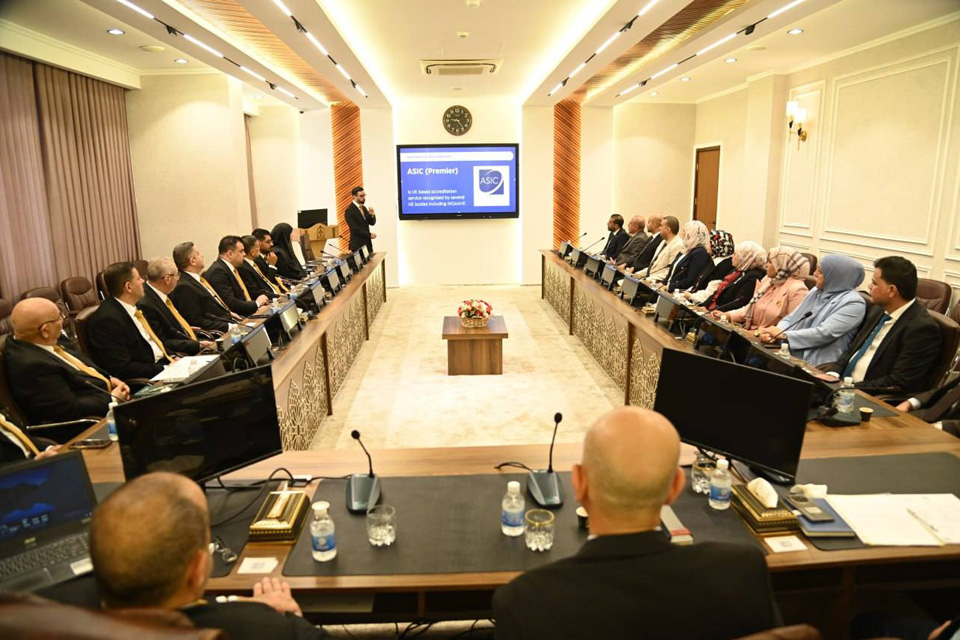
As part of Al-Warith University’s ongoing commitment to achieving academic excellence and ensuring high-quality higher education, Professor Dr Ibrahim Saeed Al-Hayyawi, President of the University, together with the esteemed University Council, welcomed the National Institutional Accreditation Team headed by Dr Khalid Shanawa. The delegation included specialists from the Supervision and Scientific Evaluation Authority / Directorate of Quality Assurance and Academic Accreditation at the Ministry of Higher Education and Scientific Research.
The purpose of the visit was to conduct an on-site review of the university’s compliance with institutional accreditation requirements and standards. This included evaluating the academic environment, infrastructure, teaching practices, and mechanisms for quality assurance and continuous improvement.
This initiative forms part of the University’s broader efforts to contribute to Sustainable Development Goal 4 (SDG 4): “Ensure inclusive and equitable quality education and promote lifelong learning opportunities for all.” Al-Warith University seeks to build a robust educational system that meets both national and international quality standards while enhancing the efficiency and impact of its academic and research outputs.
During the meeting, the University President affirmed that Al-Warith University remains steadfast in pursuing its vision for academic distinction and institutional accreditation. He emphasised that these efforts align with the Ministry of Higher Education and Scientific Research’s strategy to elevate university performance and advance sustainable development within Iraq’s higher education sector.
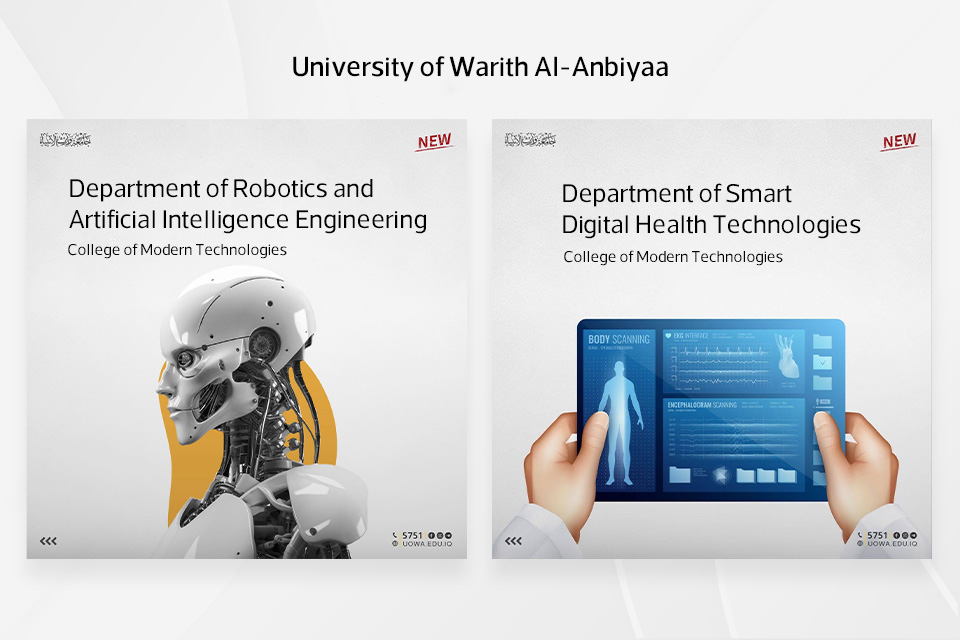
A new generation empowered with disciplines shaped for the future 💡 Be part of the change at the University of Warith Al-Anbiyaa (peace be upon him)!
2025/11/03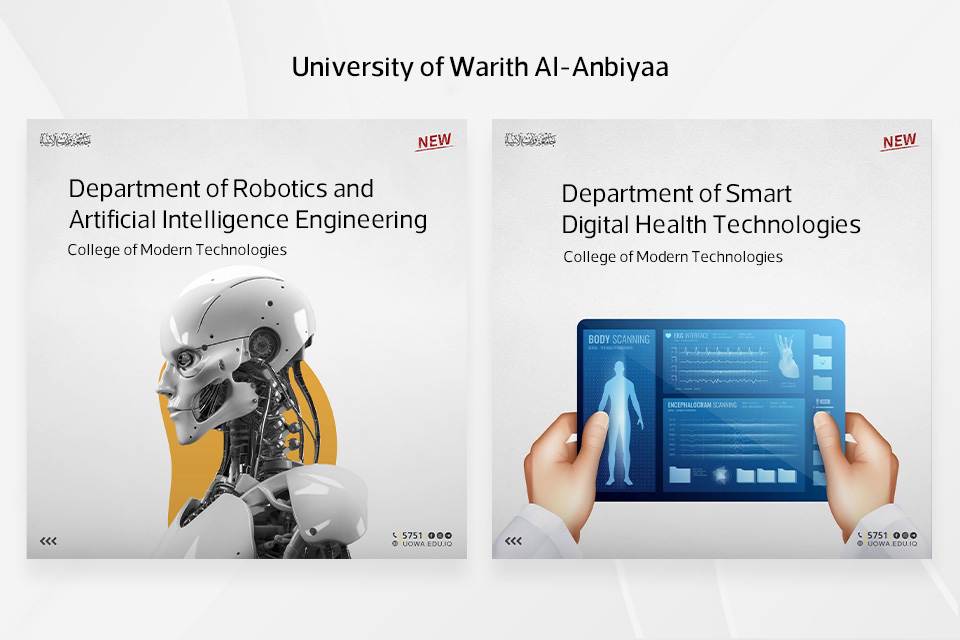
A new generation, with majors that keep pace with the future 💡 Be part of the change at the University of Warith Al-Anbiyaa (peace be upon him)!
2025/11/03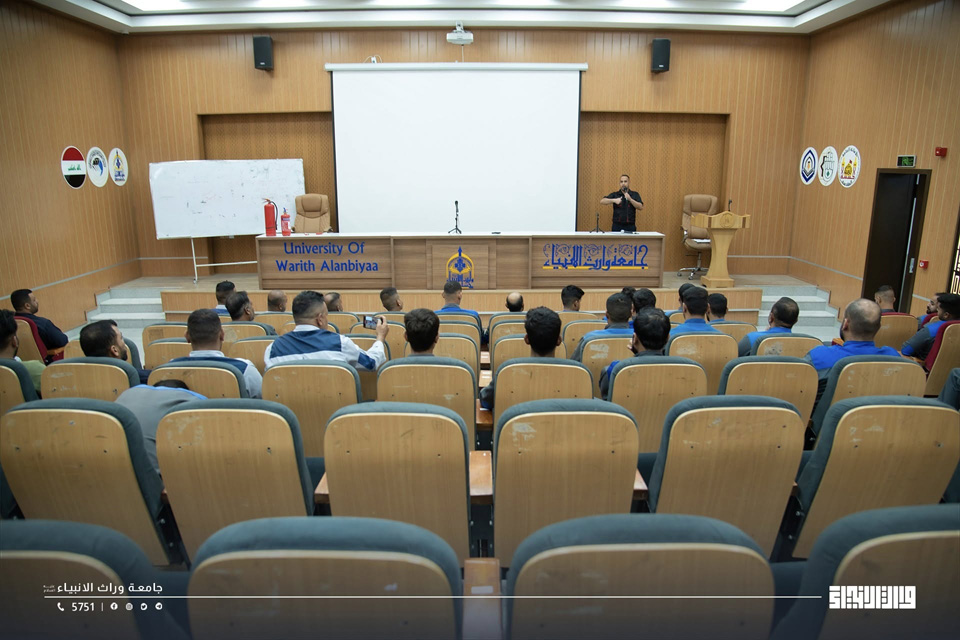
The University Affairs Department, in collaboration with the Campus Care Department at Warith Al-Anbiyaa University (peace be upon him), organised a training workshop on safety procedures and civil defense, aiming to raise awareness of preventive measures and emergency response within the university campus.
This workshop is part of the university’s ongoing efforts to promote a safe and healthy learning environment, in line with Sustainable Development Goal 3: Good Health and Well-being and Goal 11: Sustainable Cities and Communities, by fostering a culture of safety and social responsibility among staff and students.
The workshop included practical training on the use of firefighting equipment and evacuation plans, with the goal of enhancing the readiness of university personnel to respond effectively to emergency situations.
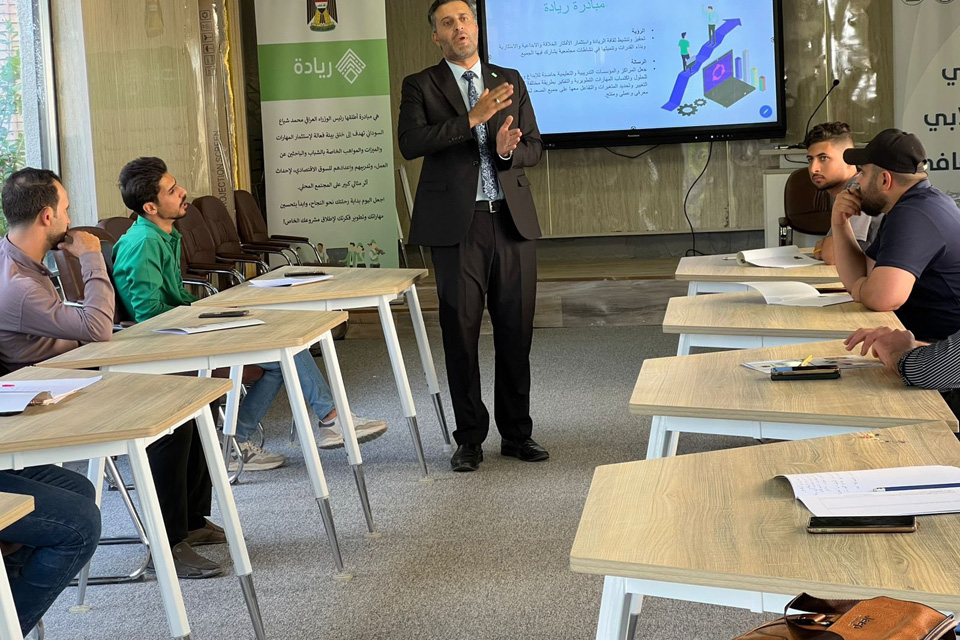
The 37th training session, organised by the Entrepreneurship Division within the Department of Science and Technology Parks, has been launched at Warith Al-Anbiyaa University (peace be upon him). This session is conducted under the auspices of the government-supported “Riyada” initiative, which seeks to facilitate the development of student and graduate entrepreneurial projects and enhance their competencies in entrepreneurship.
The program emphasizes the development of participants’ capacities to conceptualise and implement innovative projects, thereby translating creative ideas into productive initiatives that contribute to the stimulation of the national economy and the creation of sustainable employment opportunities.
This initiative aligns with the United Nations Sustainable Development Goals, particularly Goal 4: Quality Education and Goal 8: Decent Work and Economic Growth, reflecting the university’s commitment to fostering applied learning, innovation, and entrepreneurship as integral components of its strategy for advancing human capital and youth empowerment.
University officials underscored that Warith Al-Anbiyaa University remains committed to executing high-quality programs that cultivate a generation of entrepreneurial leaders capable of contributing to sustainable development through projects that integrate academic knowledge with labor market needs.
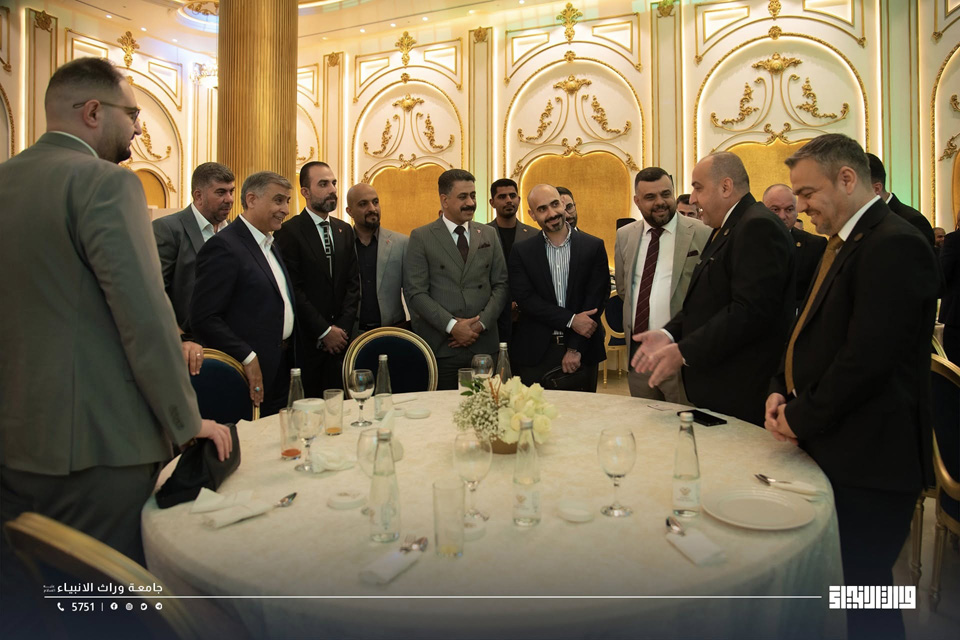
The University of Warith Al-Anbiyaa (Peace be upon him) has achieved a distinguished national milestone by securing first place in the “Athar” Sustainable University Award. The competition included 59 governmental and private universities from across Iraq, including universities from the Kurdistan Region.
The award was received by the University President, Professor Dr. Ibrahim Saeed Al-Hiyyawi, during the official ceremony attended by the Minister of Environment, Dr. Hallo Al-Askari, and the Undersecretary of the Ministry of Higher Education and Scientific Research, Dr. Haider Abdul-Zahid, along with a distinguished group of academics, researchers, environmental and sustainable development experts, and presidents of Iraqi universities.
This recognition reflects the University’s commitment to implementing environmental, educational, and social sustainability standards on campus through green projects, awareness programs, and scientific and community initiatives that contribute to sustainable development.
Professor Dr. Al-Hiyyawi emphasised that this achievement embodies the University's vision of integrating the principles of sustainable development into its academic and administrative framework. He noted that the University remains committed to implementing strategies for environmental sustainability, quality education, and community service, reinforcing its standing among Iraqi and regional universities.

On the occasion of the birth anniversary of Lady Zaynab Al-Kubra (peace be upon her), the College of Islamic Sciences at Warith Al-Anbiyaa University (AS) organized a blessed celebration highlighting her noble status in Islamic history and her pioneering role in the uprising of Imam Hussein (peace be upon him).
The event included academic speeches and intellectual presentations that shed light on the values of patience, knowledge, and service to humanity embodied by Lady Zaynab (AS), which play a vital role in building social awareness and fostering responsibility and solidarity within the university community.
This celebration reflects the university’s commitment to promoting human and sustainable development values in line with SDG 4: Quality Education, emphasizing value-based education grounded in ethics and knowledge to build more peaceful and just societies.
Participants affirmed that recalling the life of Lady Zaynab (AS) strengthens a culture of resilience and commitment to truth, in line with the university’s vision of developing conscious individuals and a cohesive society.

In commemoration of the birth anniversary of Lady Zainab al-Kubra (peace be upon her), the College of Islamic Sciences at Warith Al-Anbiyaa University organised a blessed celebration to honor her esteemed position in the course of Islam and her pioneering role in the legacy of Imam Al-Hussain (peace be upon him).
The event featured academic speeches and intellectual presentations highlighting the values of patience, knowledge, and service to humanity exemplified by Lady Zainab (peace be upon her). These values serve as a foundation for fostering community awareness, responsibility, and solidarity within the university environment.
The celebration reflects the university’s commitment to instilling humanistic and sustainable developmental values among its students and staff, in alignment with the Sustainable Development Goal 4: Quality Education, which emphasizes education based on ethics, values, and knowledge as a means to build more peaceful and equitable societies.
Participants affirmed that recalling the life and legacy of Lady Zainab (peace be upon her) contributes to strengthening the culture of resilience and steadfastness in upholding truth, consistent with the university’s vision of cultivating conscious individuals and an integrated society.
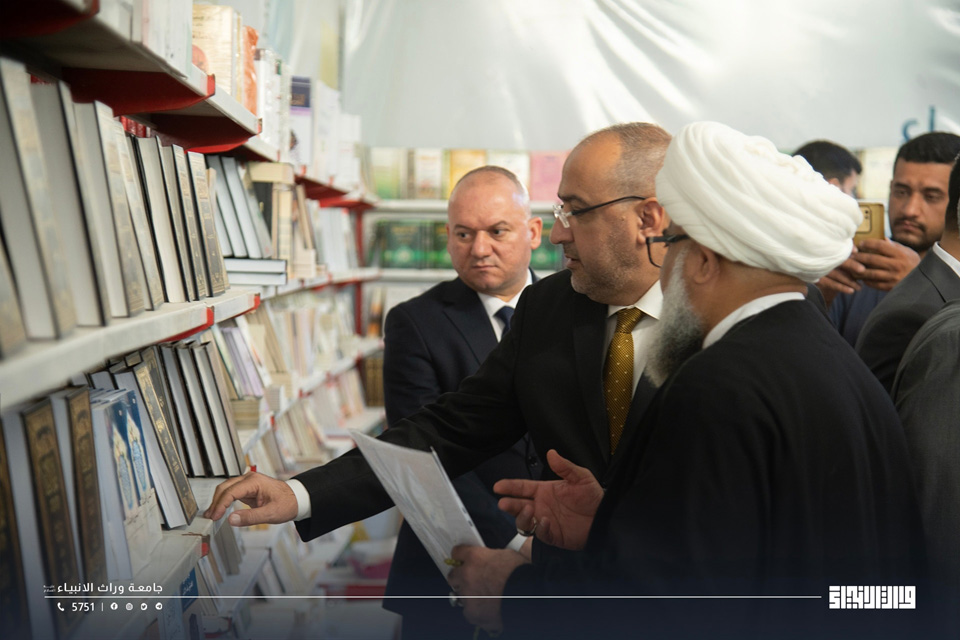
On the occasion of the birth anniversary of Lady Zaynab (peace be upon her), Warith Al-Anbiyaa University (AS) hosted the “Good Tree of the Book” exhibition, organized by the Department of Religious Festivals and Occasions at the Holy Husayni Shrine, with the presence of the University President, Prof. Dr. Ibrahim Saeed Al-Hayawi, along with faculty members and students.
The exhibition featured a variety of religious, intellectual, and cultural publications aimed at promoting knowledge awareness and strengthening authentic Islamic culture within the academic community.
This initiative aligns with the Sustainable Development Goals, particularly Quality Education (SDG 4) and Peace, Justice, and Strong Institutions (SDG 16), and reflects the university’s commitment to supporting education, culture, and ethical values.
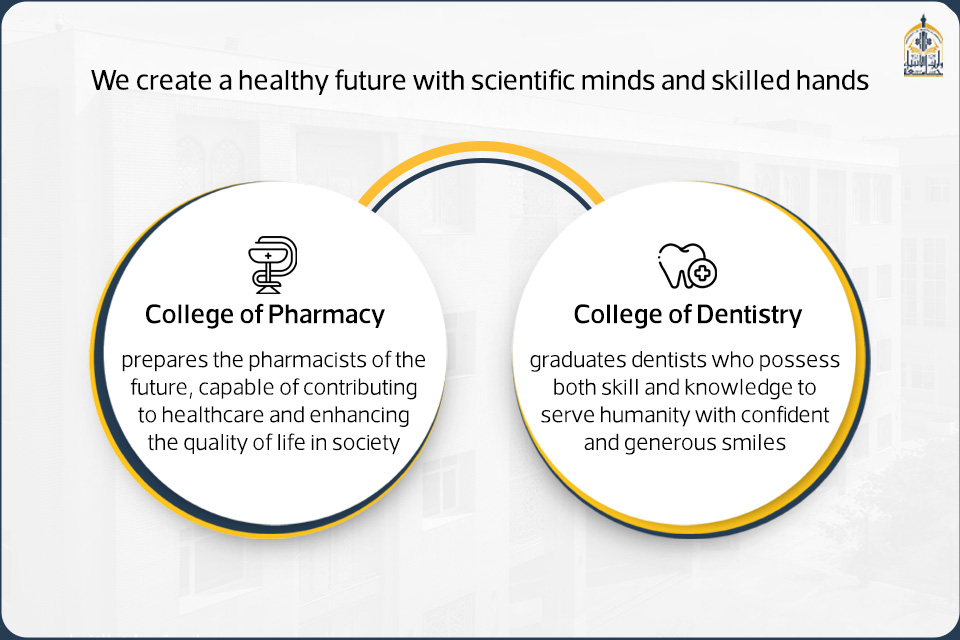
In its pursuit of excellence and dedication to advancing Iraq’s healthcare sector, the University of Warith Al-Anbiyaa (peace be upon him) strives to prepare highly qualified medical professionals through its distinguished academic programs offered by the College of Pharmacy and the College of Dentistry.
The College of Pharmacy provides students with a solid foundation in pharmaceutical sciences and hands-on training that enable them to play an active role in healthcare development. Graduates are equipped to contribute to the formulation and improvement of medicines to promote community health awareness and and protect human well-being.
The College of Dentistry prepares future dentists with the knowledge, clinical skills, and ethical values needed to deliver high-quality oral healthcare. Students gain practical experience using modern equipment and advanced treatment techniques to ensure professional competence and patient-centered care.
Together, these two colleges reflect the University’s vision of building a generation of innovative and compassionate healthcare professionals committed to improving lives and serving society.
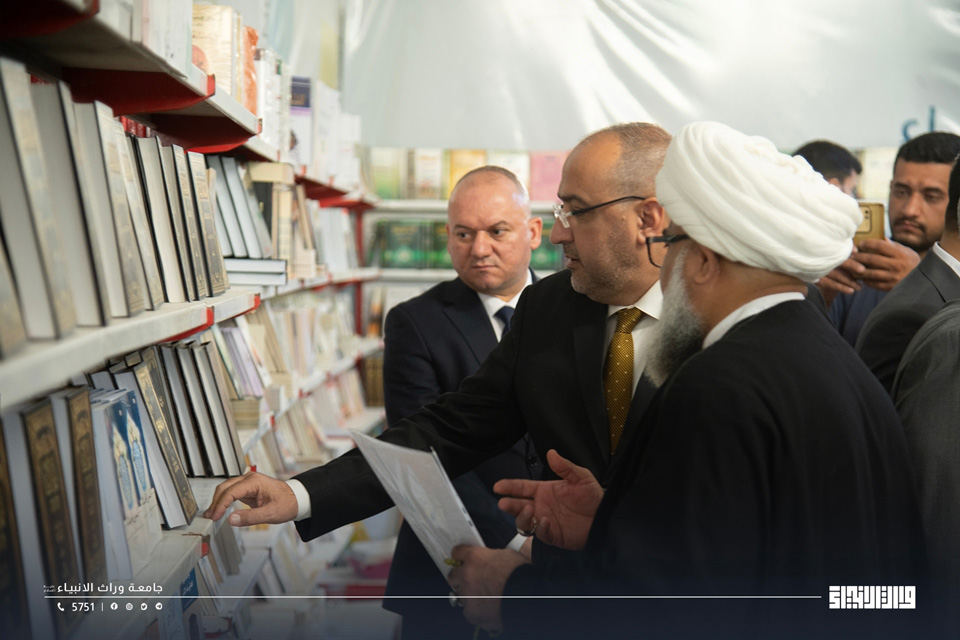
In commemoration of the birth anniversary of Lady Zainab al-Kubra (peace be upon her), Warith Al-Anbiyaa University (peace be upon him) hosted the exhibition “Al-Shajarah Al-Tayyibah lil-Kitab” organised by the Festival and Religious Events Department of the Holy Al-Hussain Shrine Secretariat, with the presence of the University President, Prof. Dr. Ibrahim Saeed Al-Hayyawi, along with faculty members and students.
The President toured the exhibition halls, which featured a diverse collection of religious, intellectual, and cultural publications aimed at enhancing knowledge awareness and promoting authentic Islamic culture among students and the academic community, thereby contributing to the development of a conscious generation with mature thinking and solid human values.
The organization of this exhibition aligns with the Sustainable Development Goals, particularly Goal 4: Quality Education, which emphasizes inclusive and equitable education and lifelong learning opportunities, and Goal 16: Peace, Justice, and Strong Institutions, by supporting cultural and intellectual initiatives that foster dialogue and critical thinking within universities.
University officials emphasized that such activities are part of Warith Al-Anbiyaa University’s mission to promote culture and education and to consolidate a religious and intellectual identity that contributes to building a university community balanced in both thought and ethics.
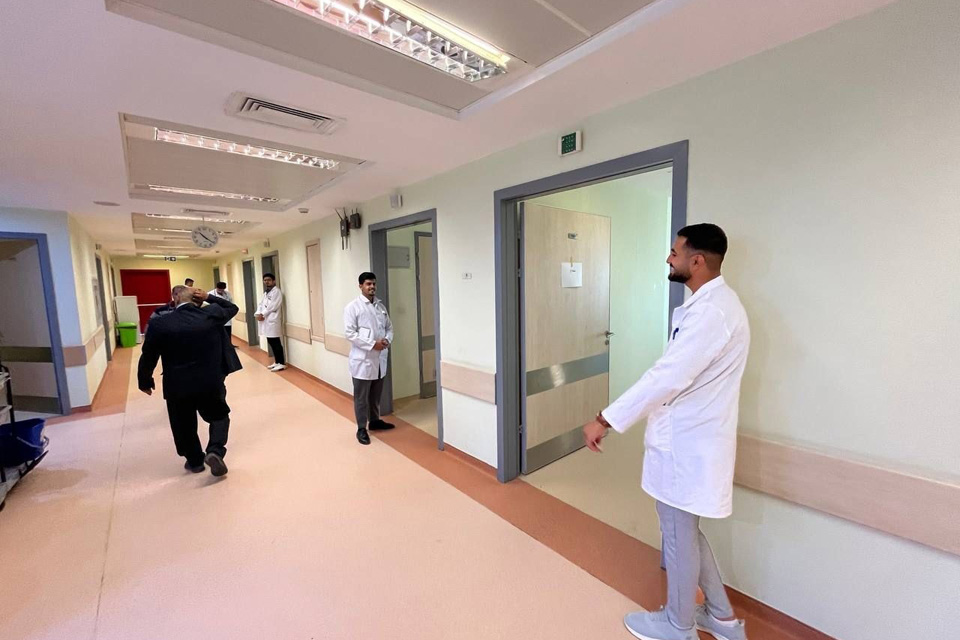
As part of its commitment to advancing medical education quality and skills-based learning, the College of Medicine at University of Warith Al-Anbiyaa conducted the Objective Structured Clinical Examination (OSCE) in Pediatrics at Imam Al-Hasan Al-Mujtaba Teaching Hospital, for fifth-stage students within the practical assessment program.
The exam included several clinical stations simulating real medical scenarios, designed to evaluate students’ competencies in diagnosis and patient management based on accurate scientific principles.
This initiative aligns with the United Nations Sustainable Development Goal 4 (Quality Education), by enhancing hands-on learning in medical training, and Goal 3 (Good Health and Well-being), by preparing highly qualified medical professionals capable of contributing to improved healthcare outcomes in the future.
The Dean of the College emphasized that such assessments reflect Al-Warith Al-Anbiyaa University’s dedication to integrating theoretical knowledge with practical experience, ensuring that its graduates are well-prepared, competent, and compassionate physicians ready to serve their communities with professionalism and responsibility.
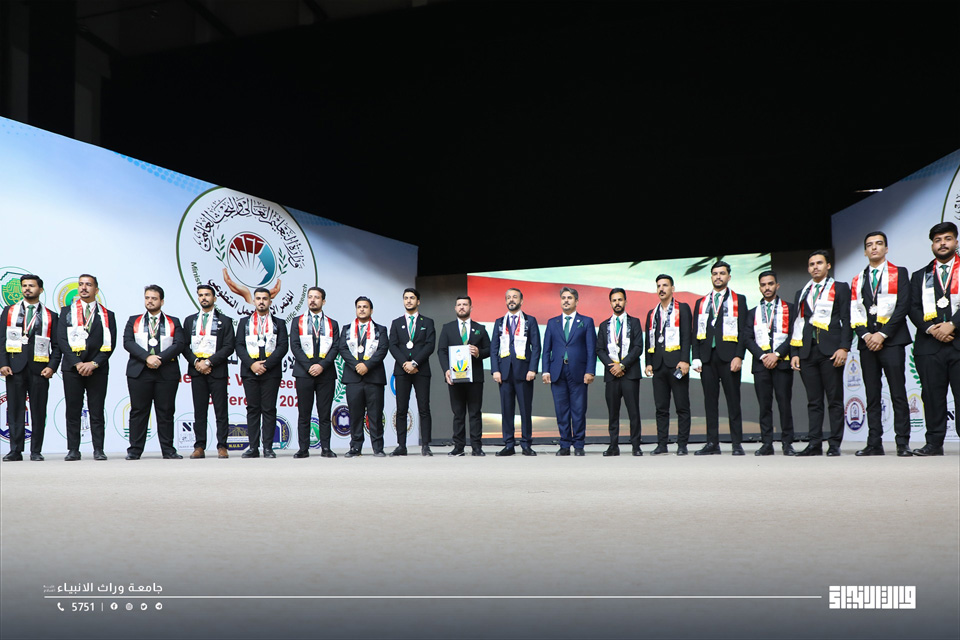
The Minister of Higher Education and Scientific Research, Prof. Dr. Naim Al-Aboudi, honored University of Warith Al-Anbiyaa during the First National Conference on Volunteer Work 2025, in recognition of the university’s outstanding efforts in promoting a culture of volunteerism and enhancing students’ active role in community service.
The university participated in the conference through the Department of Student Activities and a group of student volunteers, who presented inspiring models of humanitarian and service initiatives that contribute to building a responsible and conscious academic community.
This recognition aligns with the United Nations Sustainable Development Goal 4 (Quality Education), which emphasizes equipping students with social awareness and life skills to serve their communities, and Goal 11 (Sustainable Cities and Communities), which promotes responsibility, cooperation, and community sustainability.
The university’s presidency affirmed that this honor reflects Al-Warith Al-Anbiyaa University’s vision to empower its students to play an active role in society and to instill volunteerism as a human and academic value contributing to sustainable development.
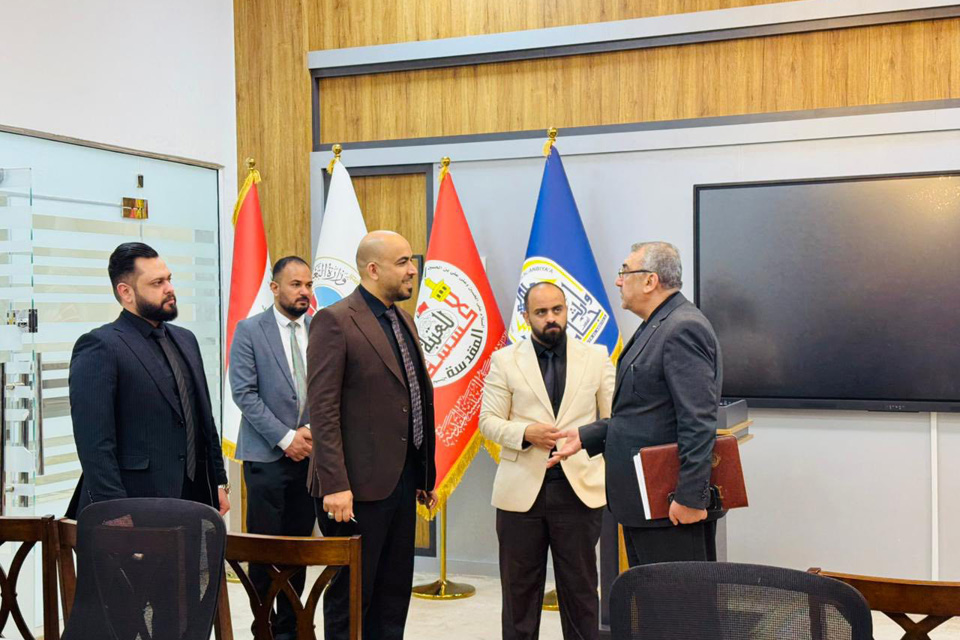
In alignment with the vision of the Holy Imam Hussain Shrine in supporting digital transformation, and under its direct patronage, the College of Computer Science and Information Technology at the University of Warith Al-Anbiyaa, in cooperation with the Arab Union for Digital Empowerment, launched advanced programmes in the field of digital empowerment. These initiatives aim to develop students’ technical skills and enhance their readiness for the labour market.
The College also received a visit from Dr Khalil Al-Tayyar, Adviser for External Relations and Public Affairs at the Holy Hussaini Shrine, to discuss mechanisms for implementing the provisions of the joint agreement. He was received by the Dean of the College, Associate Professor Dr Haider Al-Ghanmi, where emphasis was placed on expanding opportunities for practical training and keeping pace with the latest technological developments in the digital field.
This initiative forms part of the University’s commitment to preparing qualified graduates equipped with advanced digital skills, in alignment with the Sustainable Development Goals (SDGs)—particularly Goal 4: Quality Education, through the development of modern educational programmes. It also supports Goal 9: Industry, Innovation and Infrastructure by promoting innovation and technological transformation.
This step reaffirms the University’s commitment to fostering an advanced educational environment that responds to the demands of the digital age and enables students to compete effectively in the labour market.
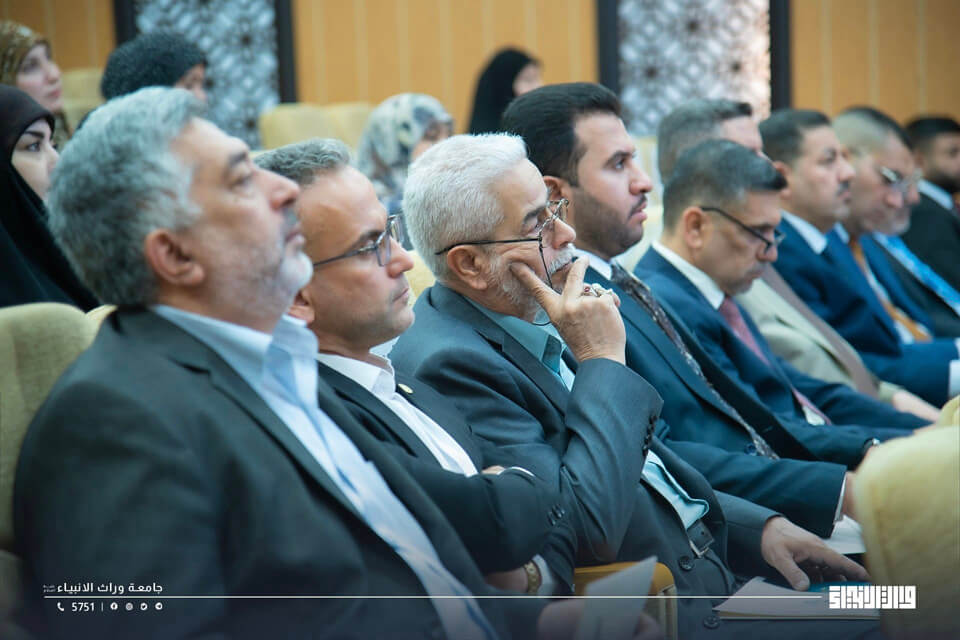
Hosted by the University of Warith Al-Anbiyaa (PBUH), the Third Fatimid Women’s Forum for Leadership and Strategy commenced in the presence of Prof. Dr Ibrahim Saeed Al-Hayawi, President of the University.
The forum was organised by Warith Academy for Sustainable Development and Strategic Studies, in collaboration with the College of Law and the College of Administration and Economics, with the aim of strengthening women’s roles in legal and strategic leadership and highlighting their contributions to the development of legislative and judicial systems.
The event aligns with the United Nations Sustainable Development Goals (SDGs)—particularly Goal 5: Gender Equality, which focuses on empowering all women and girls—by supporting the active participation of women in the legal and judicial sectors in decision-making and strategic development.
The forum featured a scholarly lecture delivered by Sheikh Noor Al-Saadi titled “Managing Legal Crises in Islamic Societies: A Strategic Reading in Personal Status Law”, which addressed the Ja’fari legal code and its role in promoting justice, protecting family cohesion, and fostering social stability and sustainable development.
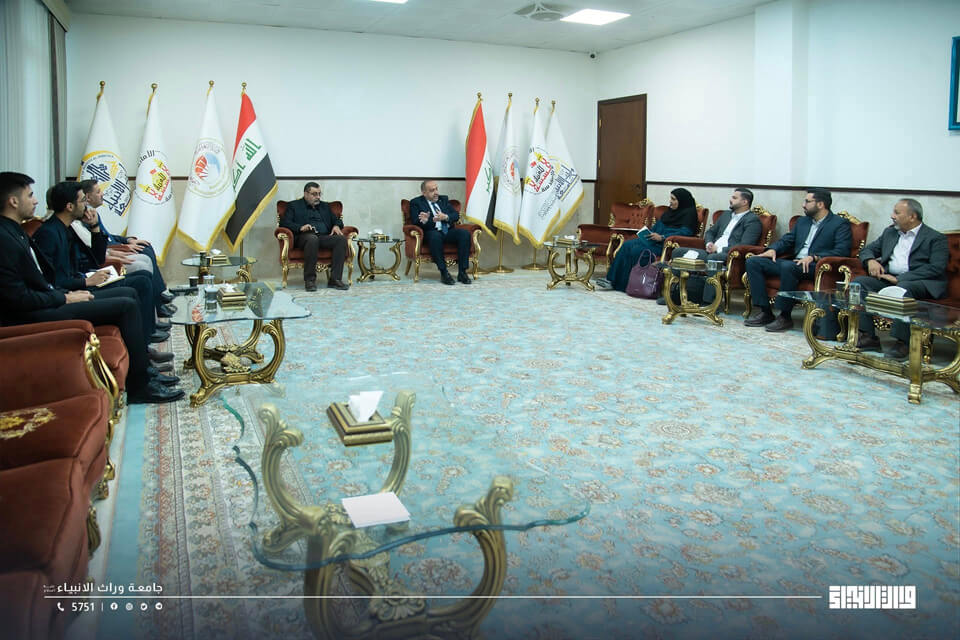
As part of its ongoing efforts to strengthen international academic and research collaboration, Prof. Dr. Ibrahim Saeed Al-Hayawi, President of the University of Warith Al-Anbiyaa (PBUH), along with the Dean of the College of Medicine, received a delegation from the International Imamia Medical Organisation. This meeting is part of the preparatory steps for hosting a joint international academic conference, based on the previously signed scientific cooperation agreement between the two parties.
During the meeting, both sides agreed to hold the conference activities on the university campus, with participation from College of Medicine faculty members in the scientific and preparatory committees, alongside medical students from the University of Warith Al-Anbiyaa (PBUH) and other Iraqi universities. The initiative aims to enhance scientific research skills and academic communication among students and faculty.
This step aligns with the University of Warith Al-Anbiyaa’s commitment to the United Nations Sustainable Development Goals (SDGs), particularly SDG 4 (Quality Education), which emphasises inclusive education and strengthening research as a key driver of development, and SDG 17 (Partnerships for the Goals), which highlights the importance of collaboration between local and international institutions for knowledge and expertise exchange.
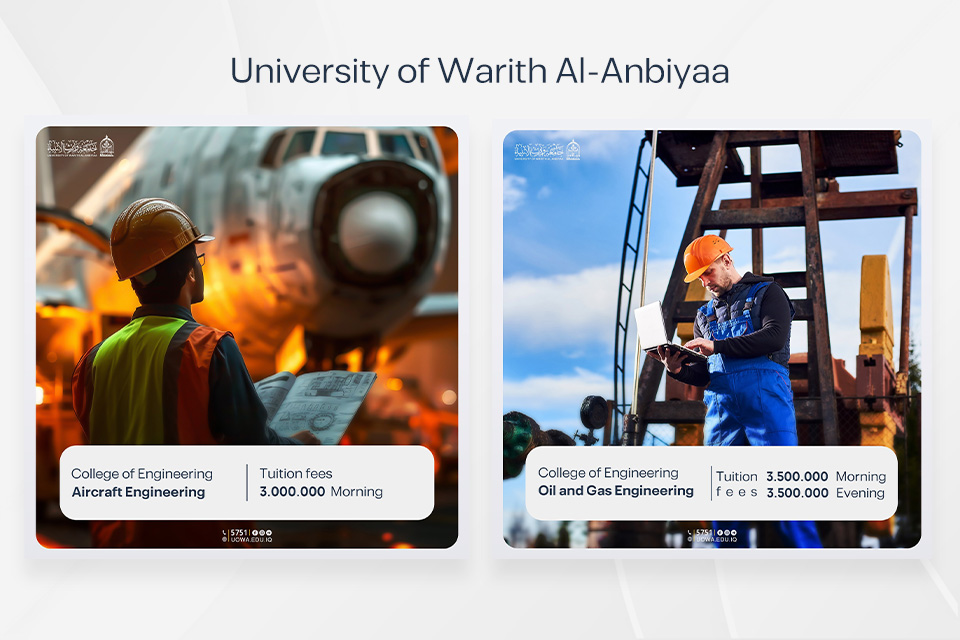
🎓 Discover the Specialisation that Matches Your Ambition and Begin Your Academic Journey with Us at Al-Warith Al-Anbiyaa University
📌 Applications will open following the official launch of the electronic admission portal by the Iraqi Ministry of Higher Education and Scientific Research.
🏛️ Our Colleges and Academic Programmes
🩺 College of Medicine
⚙️ College of Engineering🔸 Biomedical Engineering (Morning / Evening Studies)🔸 Civil Engineering (Morning / Evening Studies)🔸 Refrigeration and Air Conditioning Engineering Technologies (Morning / Evening Studies)🔸 Aeronautical Engineering🔸 Oil and Gas Engineering (Morning / Evening Studies)
💉 College of Nursing
⚖️ College of Law and Political Science (Morning / Evening Studies)
📊 College of Administration and Economics🔸 Accounting (Morning / Evening Studies)🔸 Business Administration (Morning / Evening Studies)🔸 Oil and Gas Economics (Morning / Evening Studies)🔸 Health Institutions Management
☪️ College of Islamic Sciences🔸 Quranic Sciences (Morning / Evening Studies)🔸 Jurisprudence and Its Foundations (Morning / Evening Studies)🔸 Islamic Financial and Banking Sciences (Morning / Evening Studies)
🎥 College of Media🔸 Digital Media (Morning / Evening Studies)🔸 Advertising and Digital Marketing Communication
🔬 College of Science🔸 Medical Physics (Morning / Evening Studies)🔸 Information Technology (Morning / Evening Studies)
✨ Newly Established Colleges
🦷 College of Dentistry
💊 College of Pharmacy
🤖 College of Modern Technologies🔸 Electrical Engineering Technologies🔸 Radiology and Nuclear Medicine Technologies🔸 Modern Digital Health Technologies🔸 Robotics and Artificial Intelligence Technologies
💻 College of Computer Science and Information Technology🔸 Artificial Intelligence🔸 Cybersecurity
📞 For enquiries and further information:5751 – 0773 489 6226
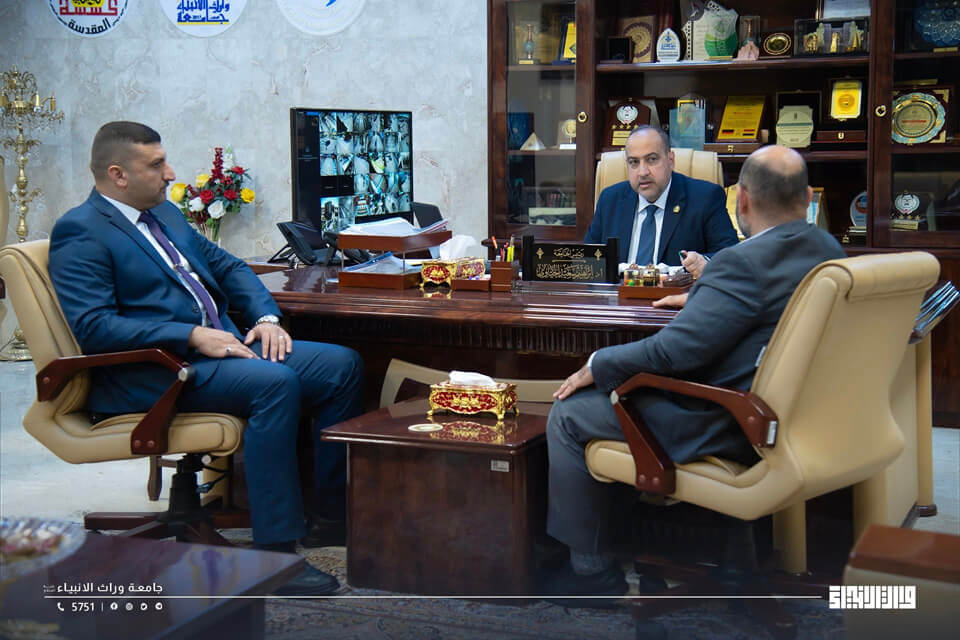
With the beginning of the new academic year, Prof. Dr Ibrahim Saeed Al-Hayawi, President of the University of Warith Al-Anbiyaa (PBUH), monitored ongoing preparations in the female dormitories during his meeting with the Dormitory Supervisor, Mr Haider Abdul Khaliq, to review the readiness of facilities and services provided to students.
During the meeting, Dr Al-Hayawi emphasised the importance of providing a safe and fully equipped residential environment that meets the needs of female students and ensures a comfortable atmosphere conducive to academic performance and success. He stressed that these efforts are part of the university’s plan to welcome the new academic year with the highest levels of organisation and support.
This initiative aligns with the university’s commitment to the United Nations Sustainable Development Goals (SDGs), particularly SDG 4 (Quality Education), which focuses on ensuring a supportive and motivating learning environment, and SDG 11 (Sustainable Cities and Communities), which calls for safe and inclusive residential and service facilities.
The field visit highlights the university leadership’s dedication to developing all service and educational aspects within the campus, contributing to the enhancement of campus life quality and supporting students in their academic journey toward excellence and success, in line with the university’s vision of building a sustainable educational environment.
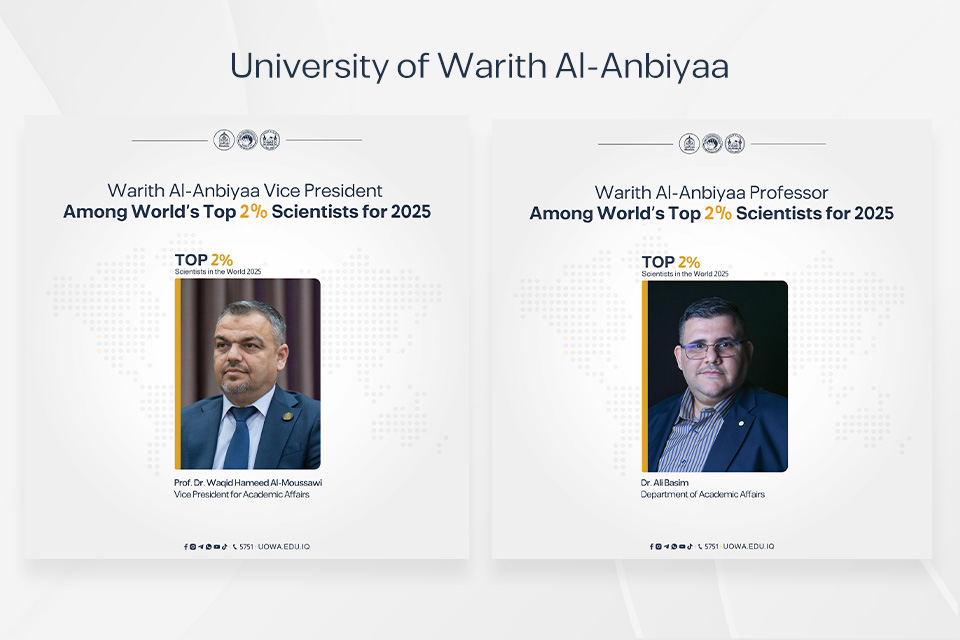
In a new academic achievement added to the record of successes at the University of Warith Al-Anbiyaa (PBUH), the names of Prof. Dr. Waqid Hameed Al-Moussawi, Vice President for Academic Affairs, along with Dr. Ali Basim, were included in the list of the world’s top 2% scientists for 2025, according to the annual study conducted by a research team at Stanford University, USA.
This ranking is considered one of the most prominent global indicators evaluating the research performance of scholars based on scientific citations, quality of research output, and its global impact.
This accomplishment highlights the distinction of the academic competencies hosted by the University of Warith Al-Anbiyaa (PBUH) and reflects its continuous efforts to support innovation and scientific research as fundamental pillars for achieving the Sustainable Development Goals, particularly SDG 4 (Quality Education) and SDG 9 (Industry, Innovation, and Infrastructure).
Such scientific excellence further underscores the university’s commitment to consolidating its standing among Iraqi and international universities and to strengthening its role in building a robust academic community that contributes to the development of the knowledge economy and the advancement of sustainable development in Iraq and the region.
The Ministry of Higher Education and Scientific Research calls on students registered on the Higher Education Reading Award platform to carefully follow the guidelines for the online test, scheduled for Saturday, October 4, 2025, at 11:00 a.m.
Guidelines:
The test will be conducted online and can be accessed via smartphones, tablets, or personal computers.
A timer will appear upon entering the platform to help students manage their time.
A countdown timer is displayed for each question.
Any response exceeding 45 seconds will be marked as incorrect.
The test consists of 100 multiple-choice questions (MCQs), each with four options, only one of which is correct.
Responses will be graded electronically, and results will be displayed immediately upon completion, along with the total time taken.
Answers will be disqualified if the test interface is opened on more than one device simultaneously.
The test link will be published on the official website of the ministry and on the Higher Education Reading Award platform on the day of the exam.
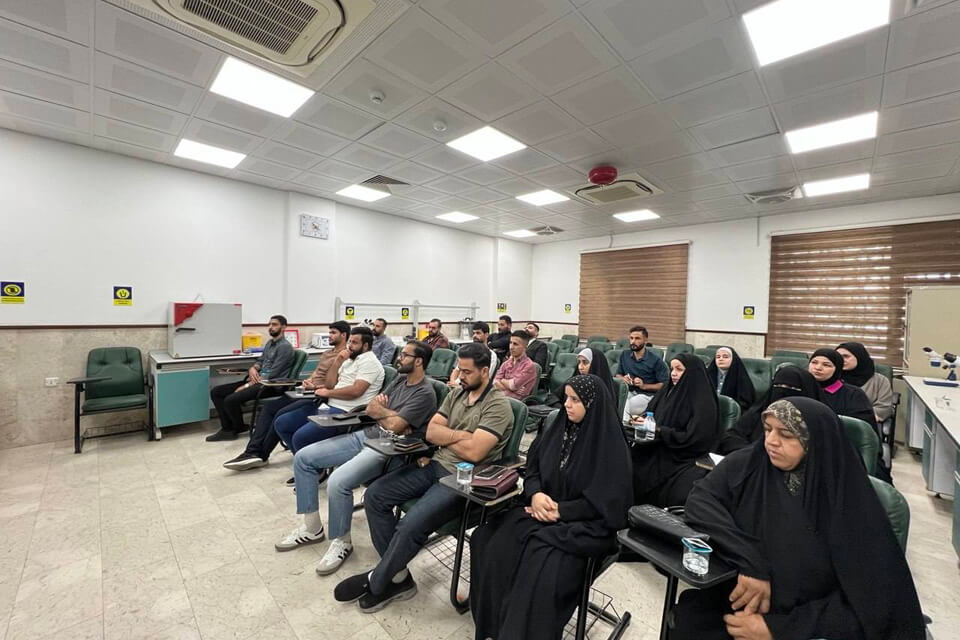
As part of the national “Riyada” initiative aimed at empowering youth and enhancing their skills in innovation and entrepreneurship, the University of Warith Al-Anbiyaa (PBUH) has resumed its specialised training courses through the Science and Technology Parks/Riyada Unit, dedicated to supporting student and graduate projects.
Through this programme, the university seeks to foster a modern educational environment that promotes sustainable development, in alignment with SDG 4 (Quality Education) and SDG 8 (Decent Work and Economic Growth) of the United Nations Sustainable Development Goals.
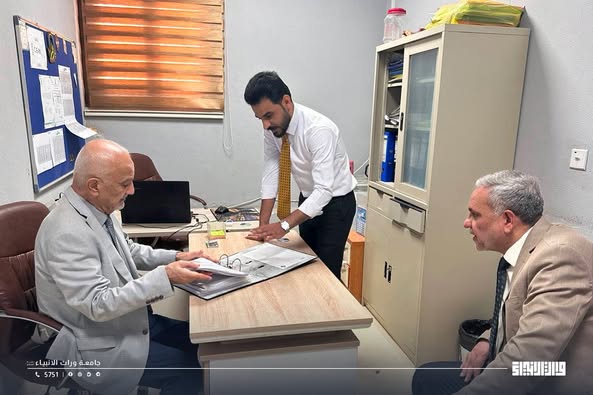
As part of the University of Warith Al-Anbiyaa’s (PBUH) commitment to fostering an integrated educational and research environment that meets international academic standards, Prof. Dr. Nofal Al-Aaraji, Vice President for Administrative Affairs, conducted a field tour of the engineering college’s workshops and scientific laboratories.
During the tour, he reviewed the laboratories’ operations and facilities, emphasising the importance of providing students and faculty with a modern learning environment that enhances practical training and scientific research. He also stressed the need to uphold safety and quality standards across all college facilities to ensure the sustainability of the educational process.
These efforts align with the United Nations Sustainable Development Goals, particularly SDG 4 (Quality Education), which focuses on inclusive and equitable education and lifelong learning opportunities, and SDG 9 (Industry, Innovation, and Infrastructure), which calls for strengthening infrastructure to support research and innovation.
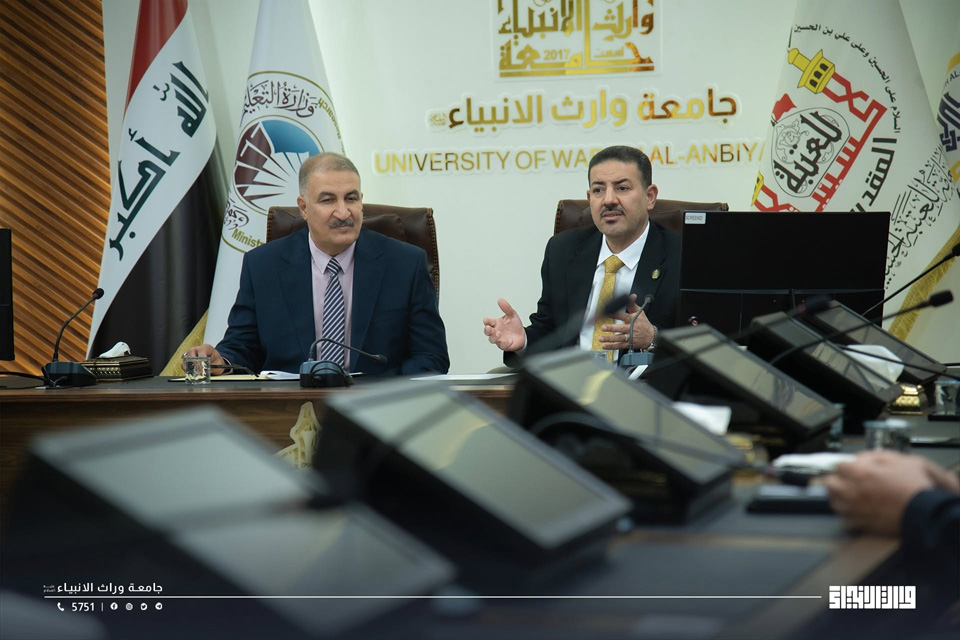
The College of Medicine at the University of Warith Al-Anbiyaa (PBUH) signed an academic cooperation agreement with the College of Medicine at the University of Qadisiyah, aimed at strengthening academic and research exchange between the two institutions.
The agreement includes the exchange of teaching and research expertise and the organisation of joint conferences and symposia, as well as the implementation of applied research and the development of training programmes for students and resident physicians. These initiatives are designed to enhance the quality of medical education and serve the wider community.
This collaboration aligns with SDG 4 (Quality Education) and SDG 3 (Good Health and Well-Being) by preparing qualified medical professionals, in addition to SDG 17 (Partnerships for the Goals) by fostering cooperation among Iraqi universities.
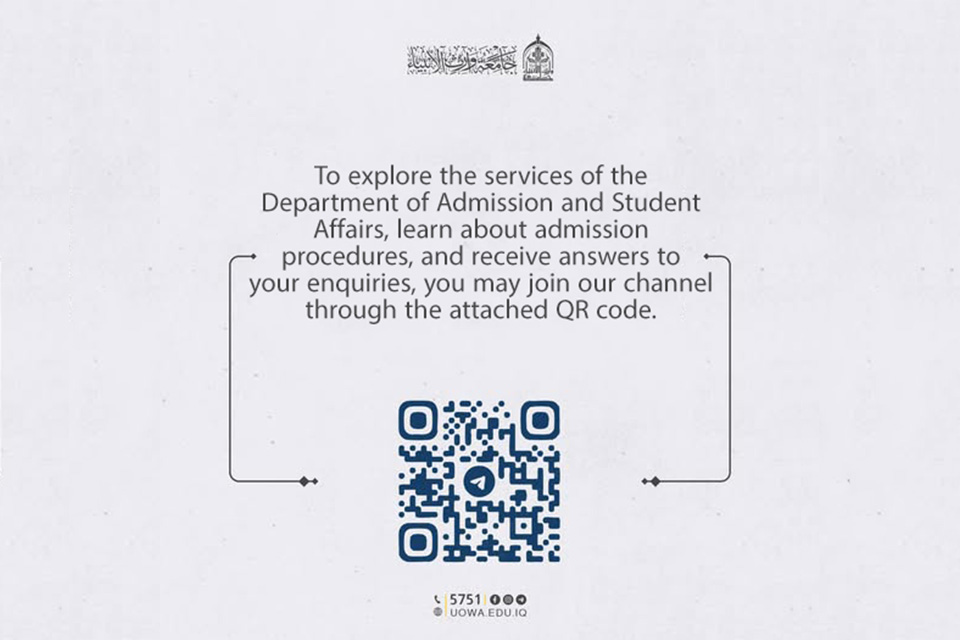
In its commitment to serving students and providing timely responses to all enquiries regarding admission, enrolment, and academic studies across its colleges and departments, the University of Warith Al-Anbiyaa (PBUH) invites you to join the official channel of the Admission & Student Affairs Department.
Students can join through the attached QR code or via the following link:
🔗 [https://t.me/uowa_reg]
✨ Stay connected to receive the latest updates and announcements.
